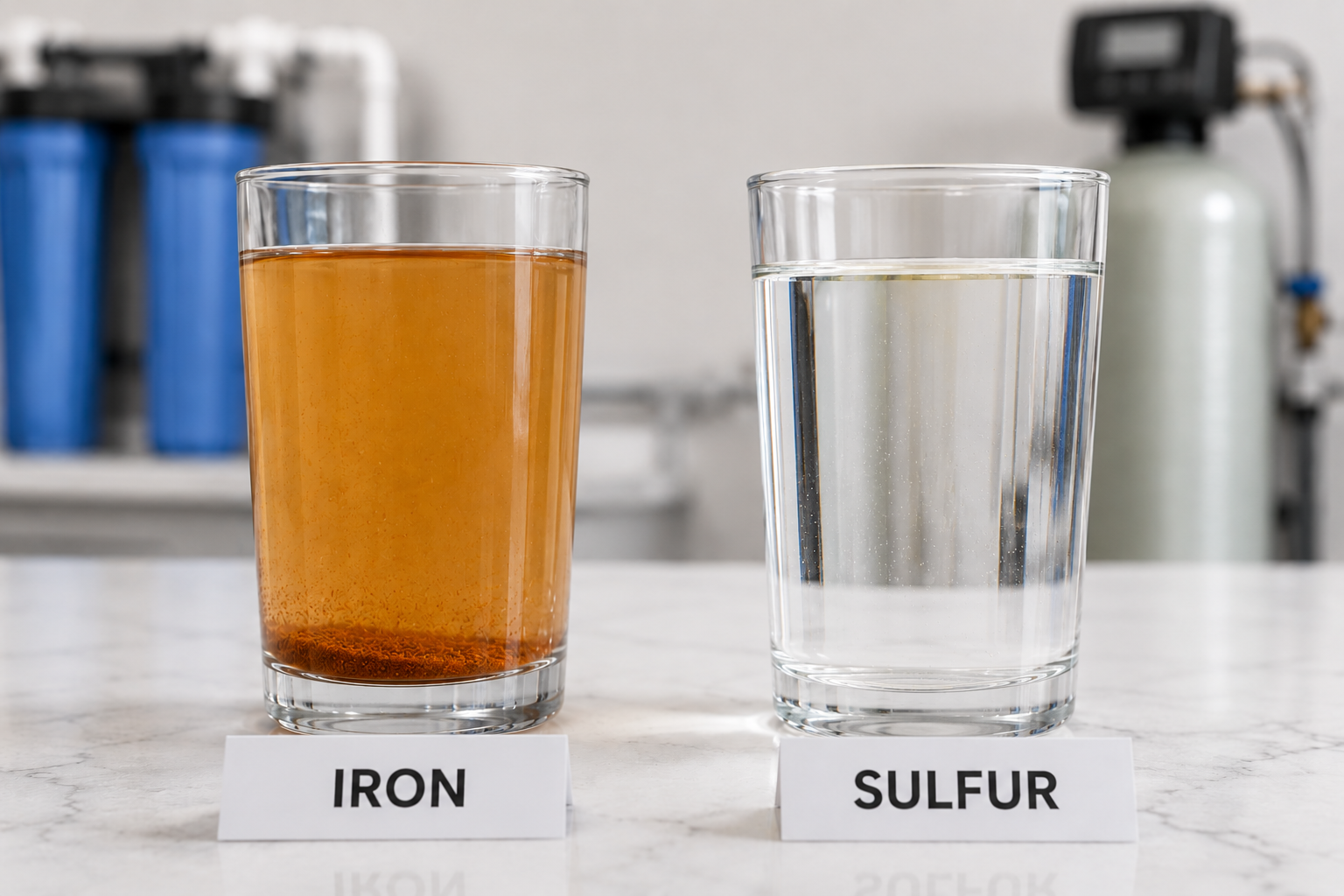
Best Sulfur Filters for Well Water in Canada

If your well water smells like rotten eggs, you’re likely dealing with hydrogen sulfide in water, which is a common problem for Canadian well owners. While the smell is usually not harmful, it can make drinking, cooking, and showering unpleasant.
But you can usually fix this issue with the right filtration system.
Let’s find out why basic filters often fail, compare the most effective treatment methods, and discover the best sulfur filter for well water.
Before looking at filtration options, let’s start with the basics. A rotten egg smell in well water is usually caused by hydrogen sulfide gas (H₂S). It forms naturally as organic matter breaks down underground or when sulfur-reducing bacteria grow in wells, plumbing systems, or water heaters. The smell is often stronger in hot water, especially if the water heater has a magnesium anode rod.
Higher sulfur levels in well water are commonly caused by:
Before you choose a filtration system, test your well water. Hydrogen sulfide often appears with iron, manganese, or sulfur bacteria, so knowing all the contaminants helps you choose the best treatment system.
Many homeowners first try replacing a sediment cartridge or installing a standard carbon filter, but a standard sediment or carbon filter is not designed to remove hydrogen sulfide gas, so it usually won’t eliminate a persistent rotten egg smell.

A dedicated sulfur filter for well water works differently. Instead of simply trapping particles, it chemically or physically converts hydrogen sulfide into a form that can be filtered out or safely vented away.
Let’s compare all filtering methods:
Standard Sediment Filter | Standard Carbon Filter | Dedicated Sulfur Filter |
Removes sand, silt, and rust | Reduces chlorine and minor odours | Removes hydrogen sulfide gas |
Does not remove dissolved sulfur gas | May reduce very low sulfur levels only | Eliminates low to high sulfur concentrations |
Protects plumbing fixtures | Improves taste and smell | Removes rotten egg odour throughout the home |
Requires regular cartridge changes | Carbon can become exhausted quickly | Designed for long-term whole-house treatment |


There are several ways to filter sulfur from your well water, and the best choice really depends on things like how much hydrogen sulfide is in your water, whether there’s iron or manganese present, and how much water your household uses.
Aeration systems remove hydrogen sulfide by injecting air into the water before it reaches the filter. Then, the oxygen reacts with hydrogen sulfide, converting it into solid particles that are then captured by a backwashing filter.
Best for:
Catalytic carbon filters look similar to standard carbon filters, but the media inside is specially designed to remove sulfur odours. It speeds up the oxidation of hydrogen sulfide while also improving the taste and smell of your water.
Best for:
Oxidizing filters use specialized media, such as manganese dioxide, to convert dissolved hydrogen sulfide into particles that can be filtered out. Most systems automatically clean themselves through a backwash cycle, helping maintain consistent performance.
Best for:
This system uses a small pump to add a controlled amount of chlorine to the water. The chlorine quickly removes the hydrogen sulfide. Then, the water goes through a contact tank and an activated carbon filter to take out the sulfur particles and any leftover chlorine.
Best for:
No single system works for every well. The right solution depends on sulfur concentration, flow rate, and whether iron or manganese are also present.
Let’s consider the best ones:

Type: Air Injection (AIO)
This system creates an air pocket in the tank that helps remove hydrogen sulfide from the water before it passes through Centaur catalytic carbon. It does not require chlorine or other chemicals. It is designed for private well water and can also reduce small amounts of iron.
Pros
Cons

Type: Oxidizing Filter
Katalox Light effectively removes hydrogen sulfide, iron, and manganese at the same time. Most dealers in Canada use a Clack WS1 or Fleck 5810 control valve for these systems.
Pros
Cons

Type: Chlorine Injection
A Stenner metering pump adds a precise amount of chlorine to the water line. After the water sits in a retention tank for a while, it oxidizes hydrogen sulfide, sulfur bacteria, and iron bacteria.
Pros
Cons
The cost of a sulfur water filter depends on treatment technology, household water demand, and installation complexity.
System Type | Equipment Cost | Recurring Maintenance Costs | Best Suited For |
Catalytic Carbon Filter | $1,150 – $1,750 | $250 – $450 (Media change every 3-5 years) | Strong rotten-egg odour with zero iron (<1.0 ppm). |
Air Injection (AIO) System | $1,350 – $2,300 | $0 (Uses ambient air for regeneration) | Low-to-moderate sulfur (up to 3.0 ppm) and moderate iron. |
Oxidizing Media (Katalox) | $2,000–$3,500 | $0 regular costs ($500+ media swap every 7-10 years) | Heavy iron, manganese, and sulfur combinations. |
Chlorine Injection System | $2,500–$5,000 | $50 – $100/year (Chlorine bleach & pump tubes) | Extreme sulfur (>10 ppm) or sulfur-reducing bacteria. |
Choosing the right size system can save you money over time. It helps reduce repairs, extends the life of your equipment, and prevents ongoing odour issues.
For the best results with sulfur filters, it’s best to have them professionally installed.

Remember that a properly installed and maintained sulfur filter can provide many years of reliable performance.
When it comes to tackling that sulfur smell in your water, the first step is to really get to know what’s going on in your well.
A professional water test is super helpful—it’ll check for hydrogen sulfide levels and also look for iron, manganese, bacteria, and other things that might affect how you treat your water.
Whatever you choose, the right equipment can banish those sulfur odours and ensure you have clean, fresh-smelling water throughout your home.


Article content
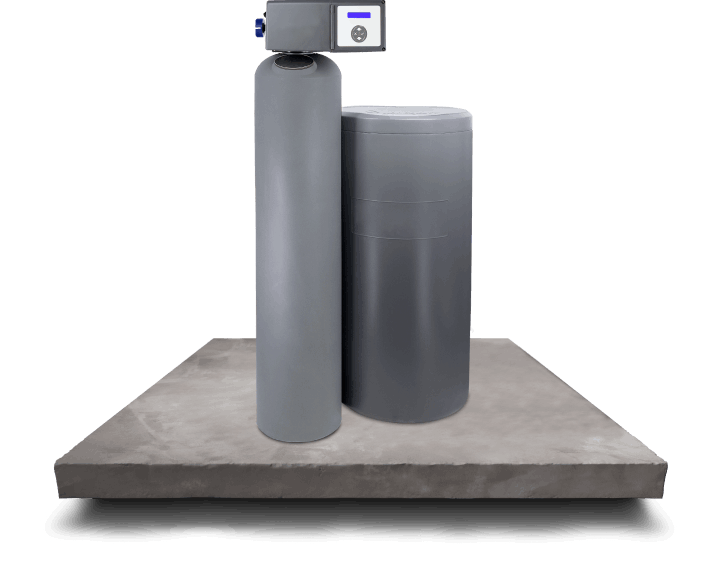
No more sediment, chlorine, and odours — just cleaner, fresher water in every tap in your home.
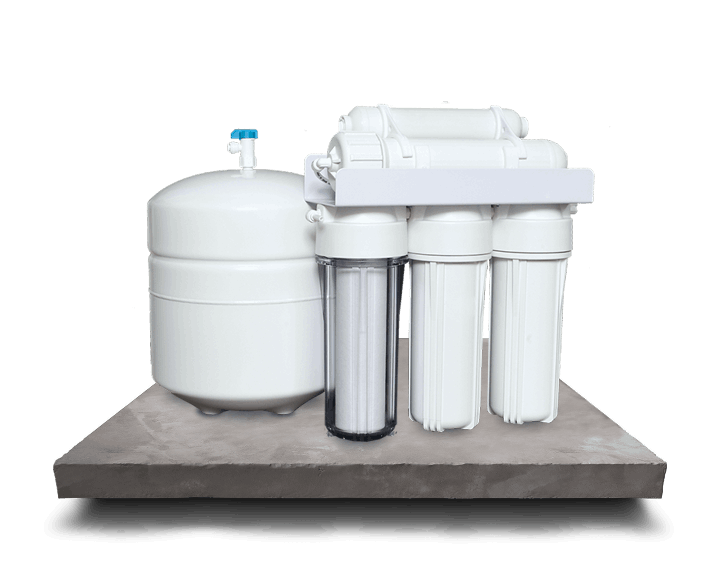
Get pure, great-tasting water by removing heavy metals and other harmful contaminants.
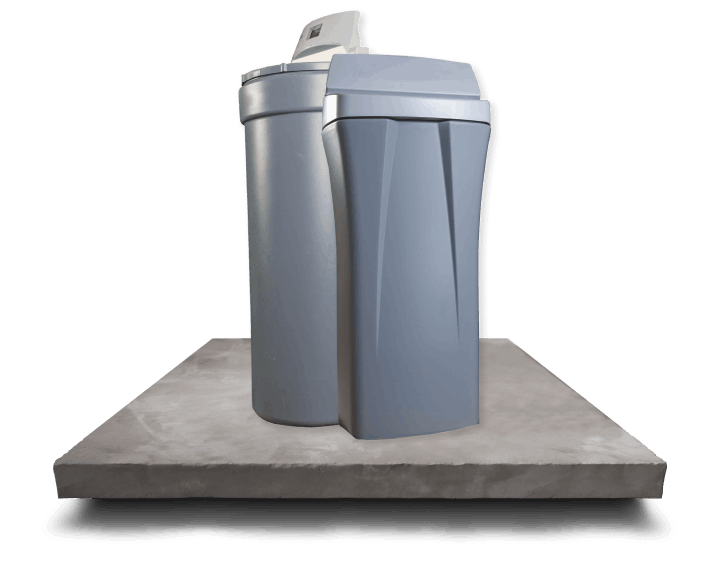
Say goodbye to hard water and enjoy softer skin, cleaner laundry, and longer-lasting appliances.
Our certified specialists will recommend the perfect solution for your home – sized for your family, your water, and your budget.

