
Superior Water Purification


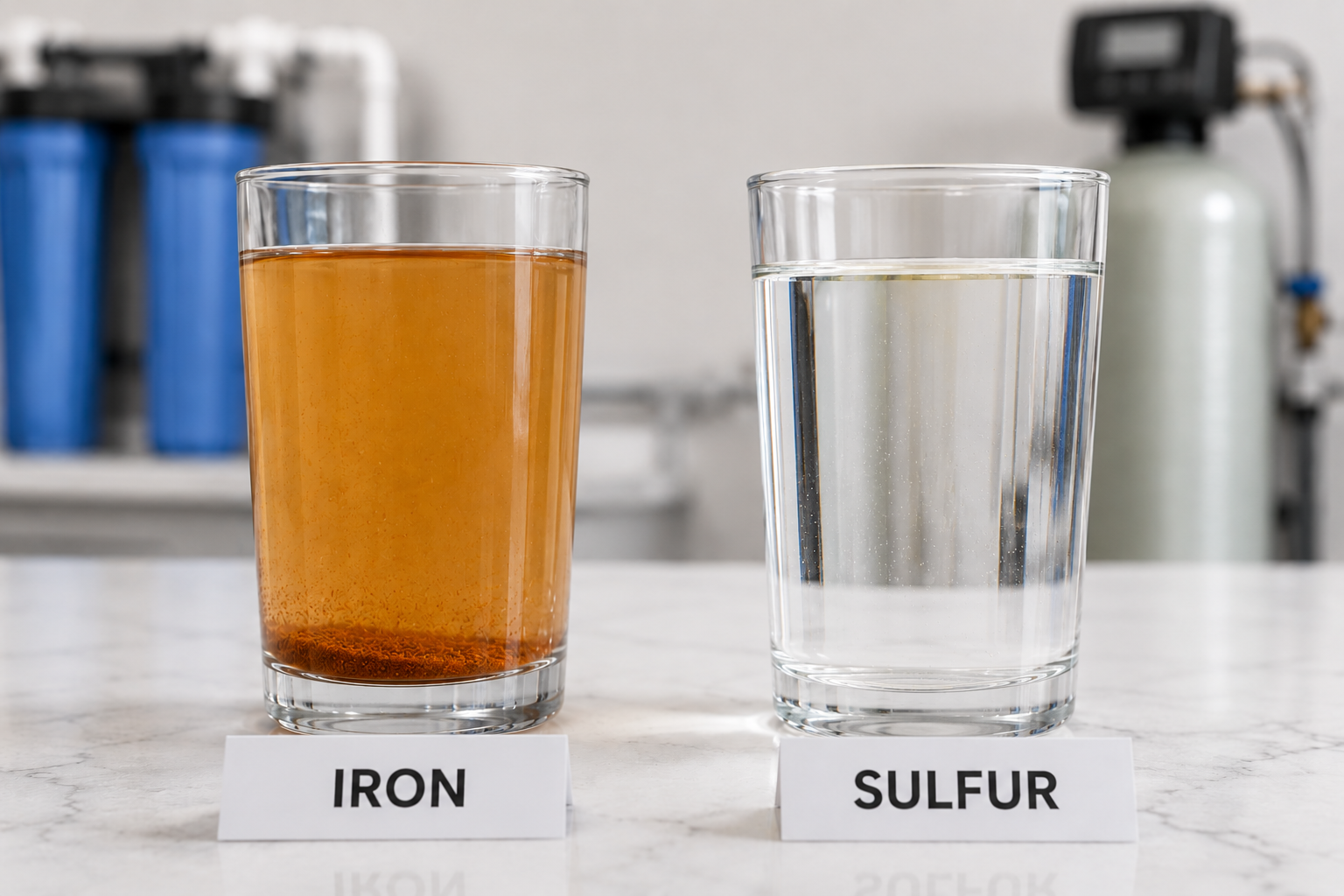
If your well water smells like rotten eggs, hydrogen sulfide is the culprit. Though safe, it ruins daily water use, and standard filters rarely help. Let’s find out why basic filters often fail, compare the most effective treatment methods, and discover the best sulfur filter for well water.
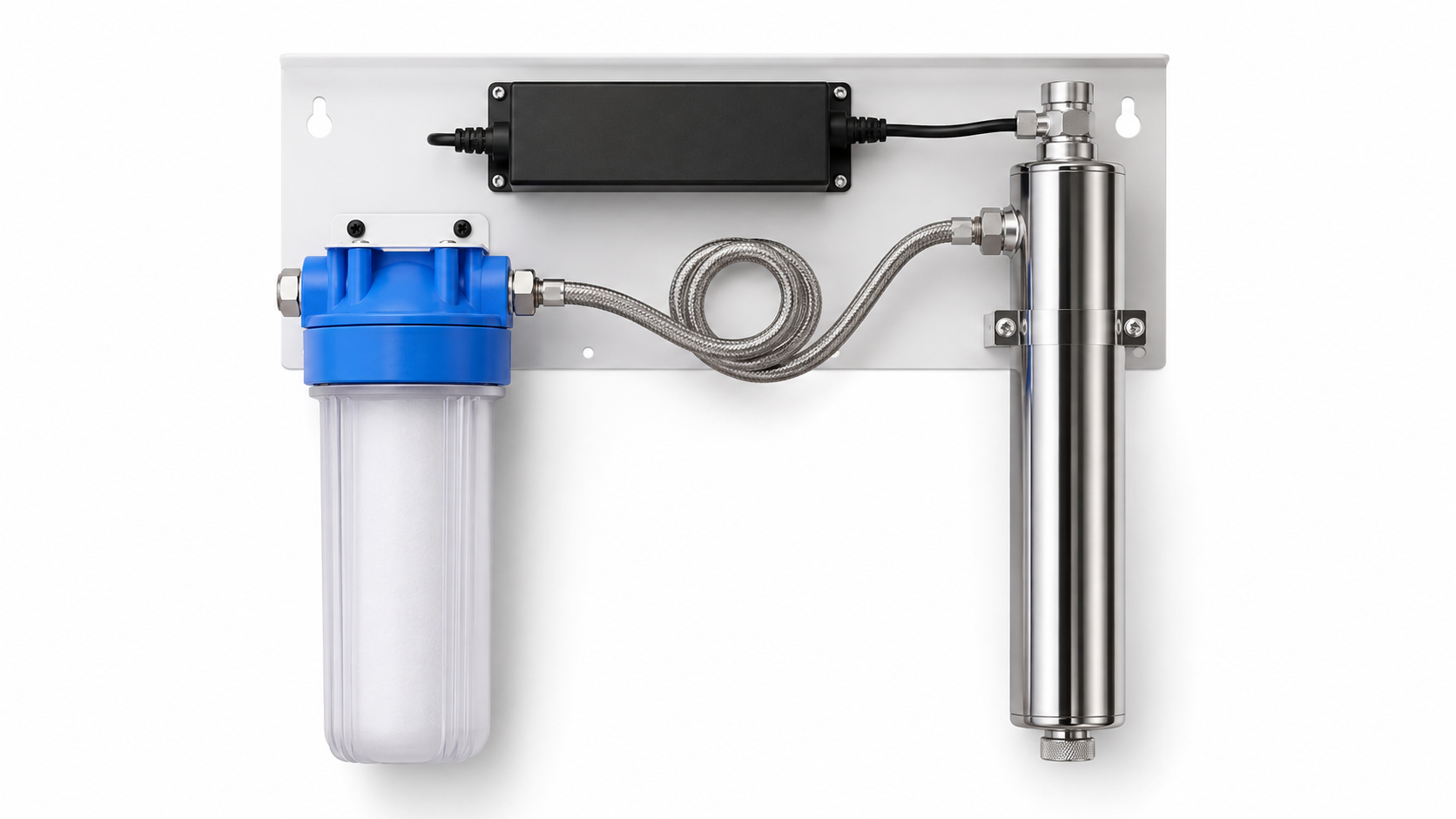
How do you choose the right UV system? More importantly, can it effectively handle high levels of E. coli or coliform bacteria in your water supply? Let’s delve into details!
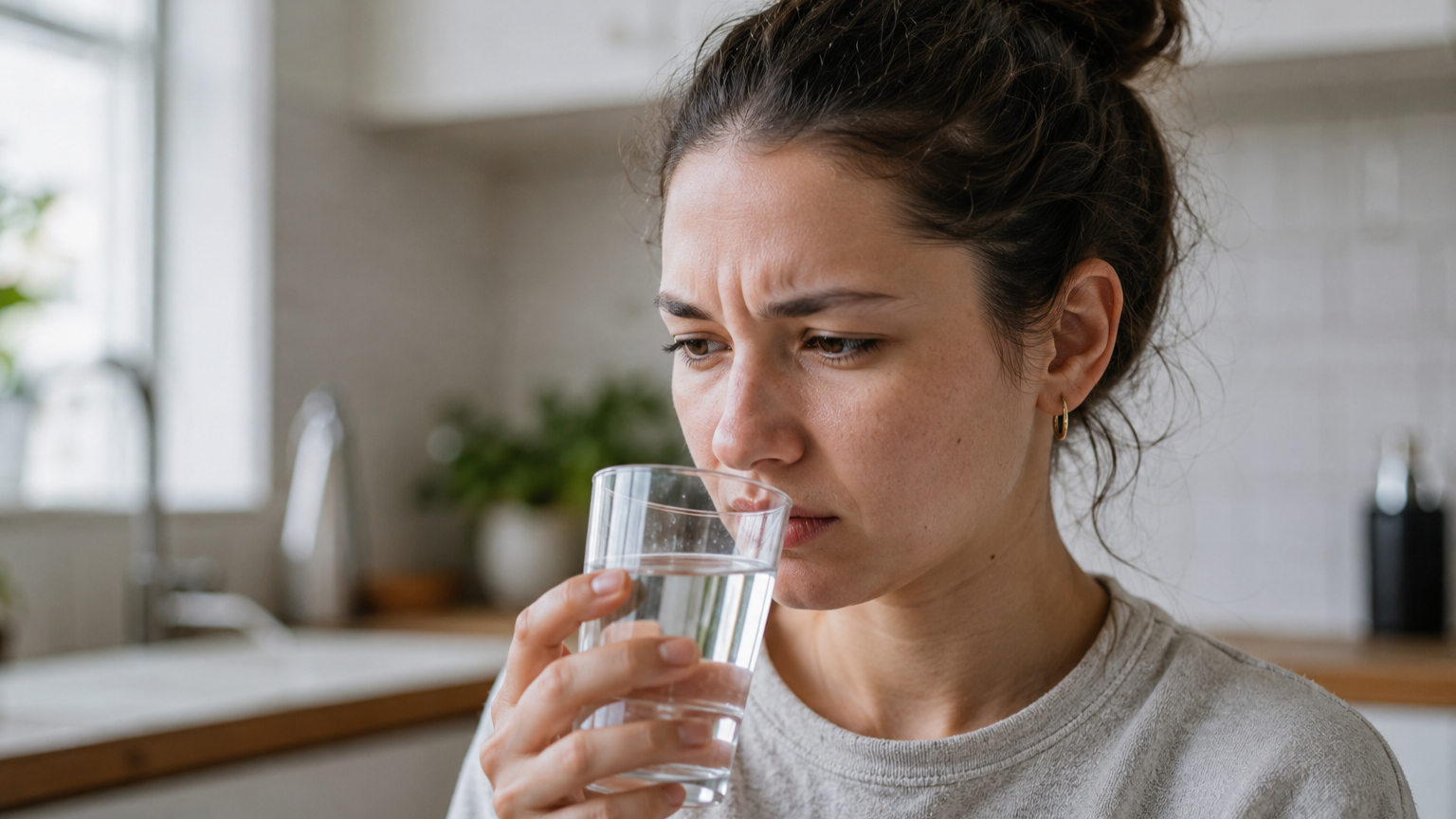
“What does it mean when water tastes metallic?”, this article will give you clear answers. We will investigate the main causes of that taste and share simple, practical ways to fix it so that you can enjoy clean, fresh water again.
In this article, we’ll explore what can affect your water quality, from common contaminants to local infrastructure. You’ll learn how to check if your water is safe, and what steps to take (like using filters or checking pipes) if you’re concerned about its quality.

In this article, we will explain how water might play a role, how to tell if it’s a trigger, and practical steps to protect your hair and skin. If you experience sudden hair loss, bald patches, severe rash, or bleeding skin, it’s important to consult a clinician.
You turn on the tap—and there it is. If you’ve ever thought, “why my tap water smells like chlorine” you’re not imagining it. This is something many households notice. But luckily, it’s usually harmless. That slight pool-like scent comes from chlorine, which utilities add to kill germs and protect the supply as it moves through the system.
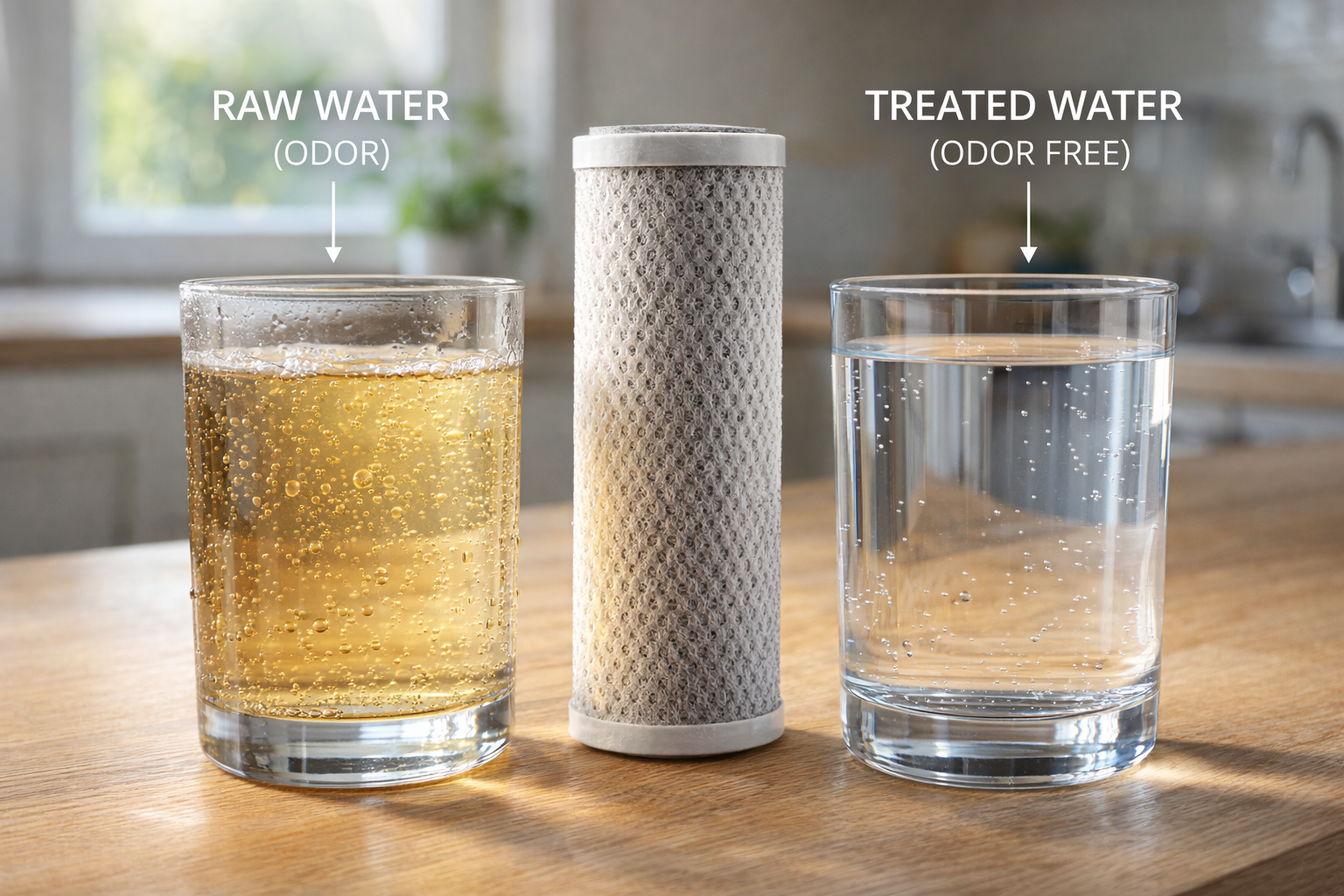
In this article, we'll look at why the odour occurs, how to find its source, and how to get rid of rotten egg smell in water. You will also learn practical methods and simple steps to prevent this problem.
When comparing distilled water vs reverse osmosis for drinking, cooking, or appliances like humidifiers, many homeowners struggle to choose what’s best for their needs. Both methods promise cleaner water than tap, but they work differently and deliver different results. So which one is best for you?
Chlorine is added to municipal water supplies to kill bacteria and keep the water safe as it goes through pipes. While it does its job well, you may notice the downside: a strong smell, a sharp taste in drinking water, and even dry skin or brittle hair after showering. Families with children, or anyone who finds the smell of chlorine unpleasant, often notice it more.

This article explains how Toronto’s drinking water is regulated and monitored, what typically affects taste and quality, and where risks can arise at the household level. You will also find out how to test your water and choose a targeted solution to treat it. That way, you can tackle a confirmed issue without having to guess.
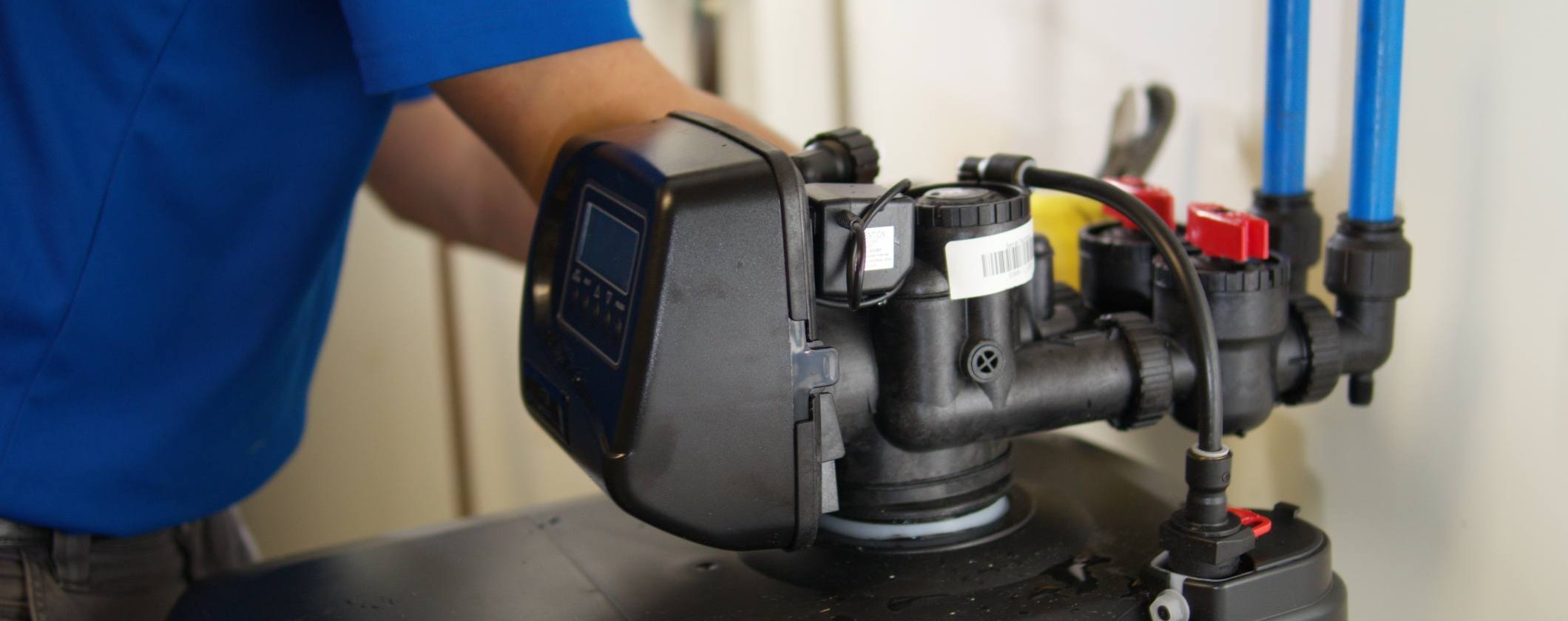
This guide explains how each of these factors affects the water softener installation cost. It provides the context you need to create a realistic budget for the entire project and understand what installers typically include in a standard setup.
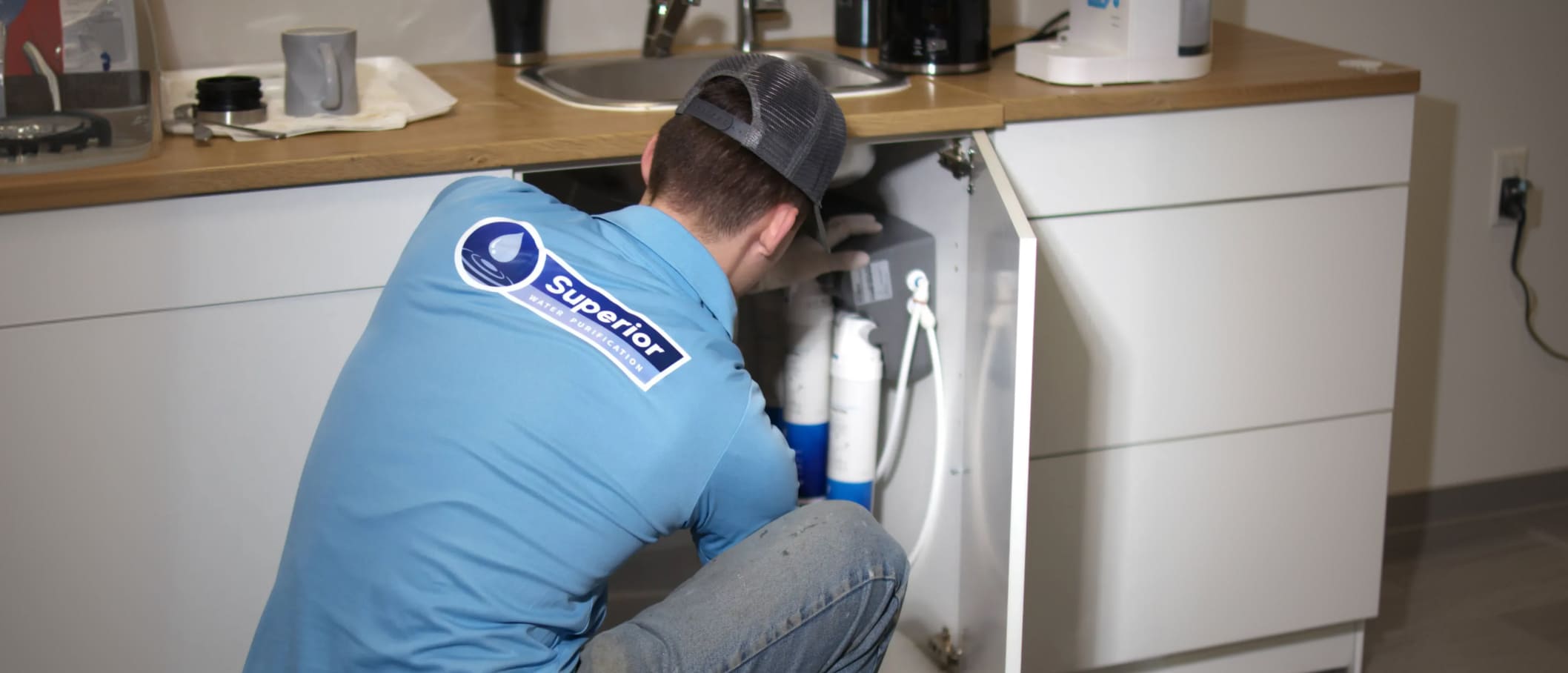
In this article, we’ll explain how RO works. You will also learn about its strengths, its limits, and how to decide if this technology is right for your home or apartment. Reverse osmosis is powerful, but it’s not magic, and understanding how it works will help you choose wisely.
Choose Your Way To Drink Purified Water
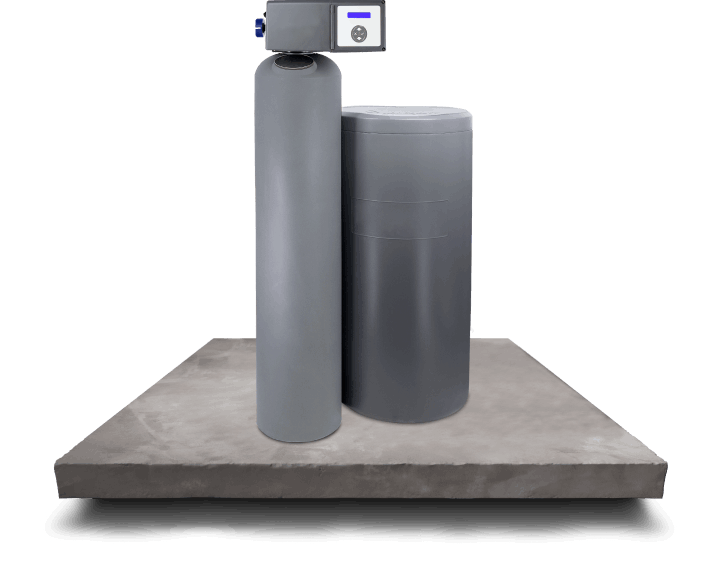
No more sediment, chlorine, and odours — just cleaner, fresher water in every tap in your home.
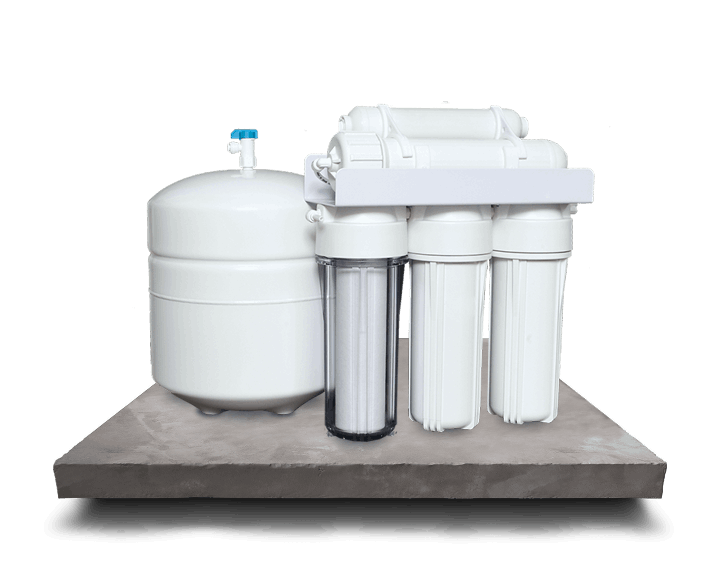
Get pure, great-tasting water by removing heavy metals and other harmful contaminants.
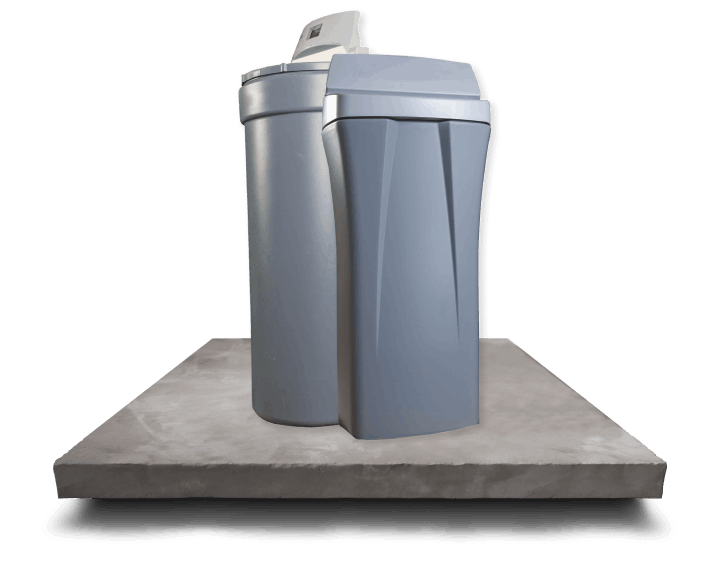
Say goodbye to hard water and enjoy softer skin, cleaner laundry, and longer-lasting appliances.
Better Water Starts with the Right System
Our certified specialists will recommend the perfect solution for your home - sized for your family, your water, and your budget.