Best UV Water Treatment Systems in Canada
Since bacteria, viruses, and parasites can be present in water without any visible signs, especially if you rely on a private well, it’s essential to ensure your water is safe to drink.
A UV water treatment system is one of the most effective ways to disinfect drinking water.

But how do you choose the right UV system? More importantly, can it effectively handle high levels of E. coli or coliform bacteria in your water supply?
Let’s delve into details!
A UV water system cleans water using special light called UV-C light. This light helps to inactivate bacteria, viruses and protozoa, such as Cryptosporidium and Giardia.
Here’s how the process works:
If the water contains excessive sediment, turbidity, iron, manganese, or coloured organic matter, the UV light can be blocked, reducing disinfection performance. |
UV light water treatment works better at higher UV doses. A higher dose means more effective disinfection.
A UV system isn’t necessary for every home, but it’s highly recommended when there’s a risk of harmful microorganisms in your water supply.
If any of the following apply to your home, such a system is worth considering:
A water test will identify the specific contaminants in your water before you invest in a treatment system.
These systems come in several configurations to fit your home, your water source, and your specific safety needs. Here are the main types:

A point-of-use UV system mounts directly under a single tap, typically the kitchen sink, to purify water just before you pour it into your glass.
It’s the right choice if you:
Unlike POU, whole-house UV systems are installed where the main water line enters your home, disinfecting all the water before it reaches your plumbing.
This means every faucet, shower, appliance, and water outlet receives treated water.
Most whole-house systems require a sediment pre-filter. This filter traps floating particulate matter that could otherwise shield microbes from UV light and reduce the system’s effectiveness. |
It’s the right choice if you:
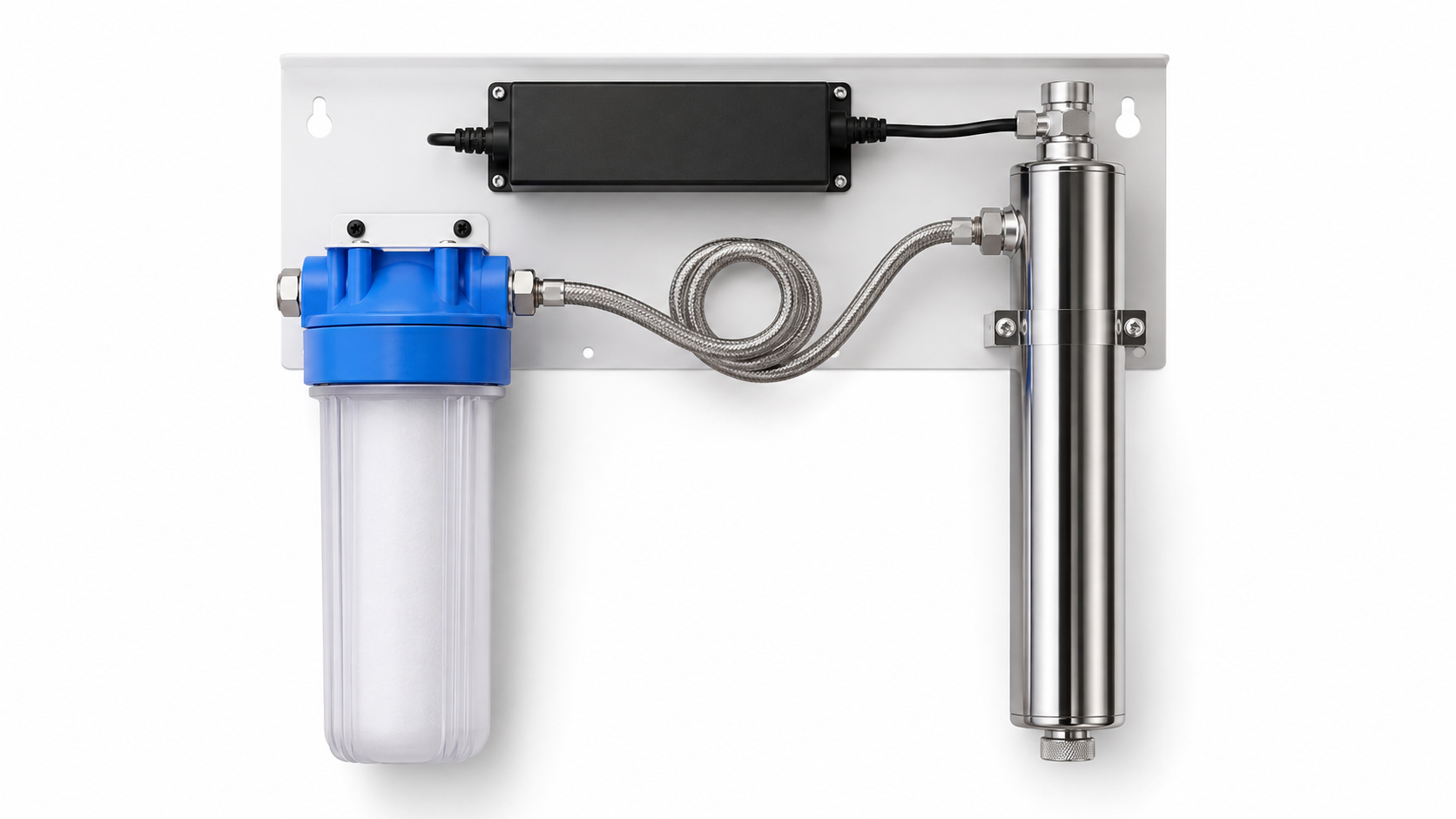
These systems combine UV disinfection with other water treatment technologies, such as sediment filters, activated carbon filters, water softeners, or reverse osmosis (RO) systems.
The filters clean the water by removing sediment, chlorine, chemicals, heavy metals, and other contaminants before it enters the UV chamber.
It’s the right choice if you:


With dozens of UV water treatment systems on the market, choosing the right one can be overwhelming.
To choose the best one, consider your water source, household size, and whether you need disinfection only or complete water treatment.

The Viqua VT1 is one of the best under-sink UV systems available in Canada.
Why we recommend it:
Best for: Apartments, condos, cottages, and homes that only need UV protection at one faucet.
The Viqua VH410 treats all the water entering your home, protecting every faucet, shower, and appliance from harmful microorganisms.
Why we recommend it:
Best for: Homes with private wells, rural properties, cottages, and families wanting whole-house biological protection.
The Luminor Blackcomb Cross-Over LBH4-Z22 combines multi-stage pre-filtration with high-output UV disinfection, protecting your entire home on a single pre-assembled rack.
Why we recommend it:
Best for: Homeowners on private wells with multiple water quality issues who want a complete filtration and disinfection solution.
If your water contains hardness, iron, manganese, arsenic, or other dissolved contaminants, you may also need a water softener, iron filter, or reverse osmosis system in addition to UV treatment. UV systems disinfect water—they don’t remove minerals or chemicals. |
If your home relies on a private well, a UV filter for well water is one of the most effective ways to protect your household. Unlike municipal water supplies, private wells are not continuously monitored or disinfected, so you are responsible for ensuring your water is safe to drink.
We recommend the following well water treatment setup:
The sediment filter keeps the water clear so that UV light can fully penetrate, and the UV lamp handles the biological risk — bacteria, viruses, and parasites — that boiling or basic filtration alone won’t reliably remove.
Health Canada recommends testing the well water at least once every 6 months for microbial contamination, especially after heavy rain, flooding, or well repairs. In Ontario, you can submit your well water samples to local public health laboratories for bacterial testing. |
When it comes to UV water treatment systems, costs can vary widely. This depends on several key factors, including the type of system you choose, your household’s water usage, and whether you need extra filtration.
System Type | Average Cost | Installation Cost |
|---|---|---|
Under-sink / point-of-use UV | $200 – $800 | $0 – $300 |
Whole-House (UV Only) | $400 – $1,200 | $300 – $1,000 |
Whole-House (Multi-Stage) | $1,200 – $3,500+ | $400 – $1,500 |
The most reliable UV water system isn’t necessarily the most expensive—it’s the one that matches your water quality, household water demand, and treatment needs.
No single water treatment method solves every water quality problem. Let’s compare UV treatment with other filtration methods.
Water | UV Water Treatment | Water Softener | Reverse Osmosis (RO) System |
Kills bacteria and viruses | Yes | No | No* |
Protects against Giardia and Cryptosporidium | Yes | No | Can remove many cysts with a suitable membrane |
Removes hard water minerals | No | Yes | No |
Removes chlorine and bad taste | No | No | Yes (with carbon filters) |
Removes lead, arsenic, PFAS, nitrates, and other contaminants | No | No | Yes |
Improves water taste and odour | No | No | Yes |
* A reverse osmosis membrane can remove many microorganisms, but RO systems are not considered a primary disinfection method. If bacteria or viruses are present, a UV system is the recommended solution.
Even though UV is the best way to eliminate biological contaminants without using chemicals, it cannot remove chlorine, lead, PFAS, or other dissolved chemicals.
Unlike chlorine, UV leaves no residual disinfectant in the plumbing system, so it should be installed as the final treatment stage before the water enters the home’s distribution system. |
That’s why many households use a UV water purifier alongside a carbon filter or a reverse osmosis system.

Not all UV water treatment systems offer the same level of performance. Before buying one, compare these key features:
NSF/ANSI 55 divides UV water systems into Class A and Class B. |
UV systems are sized by flow rate (GPM), which shows the amount of water they can disinfect each minute. Also, that flow rate determines how long water is exposed to UV light, which affects the effectiveness of microorganism inactivation. |
For your new system to work properly, it should be installed by a professional. Correct placement, proper wiring, and matching the system to your home’s flow rate all affect how effectively it disinfects your water.
Once installed, maintenance is straightforward. Replace the UV lamp annually, clean or replace the quartz sleeve as needed, and change the sediment pre-filter on schedule so cloudy water never blocks the UV light.
To choose the right UV water filter system, consider your water source, household size, and whether you have a bacteria problem or just want peace of mind.
Always begin by testing your water to know exactly what’s in it before buying any system.


Article content
No more sediment, chlorine, and odours — just cleaner, fresher water in every tap in your home.
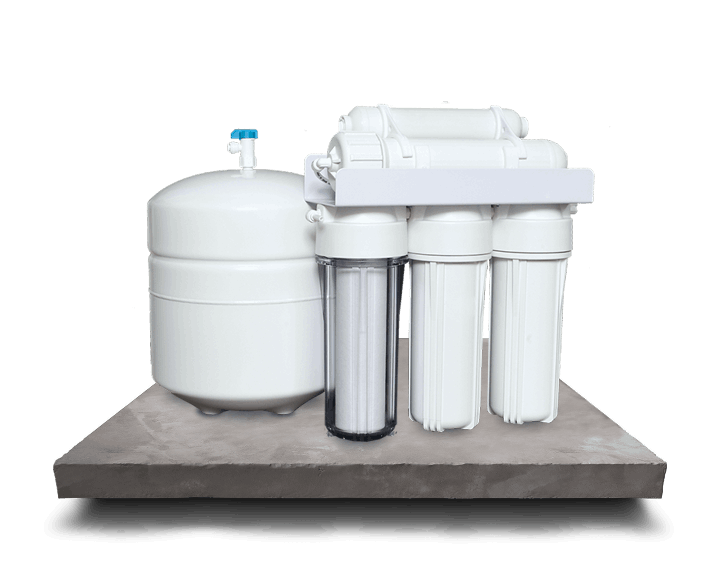
Get pure, great-tasting water by removing heavy metals and other harmful contaminants.
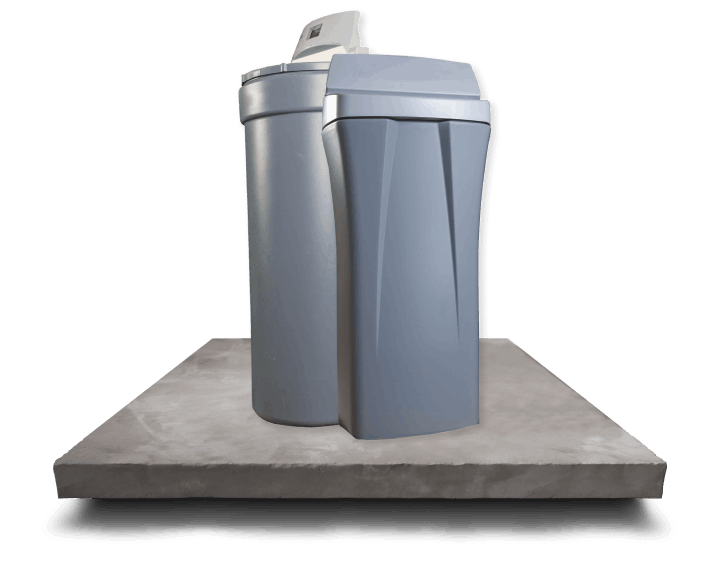
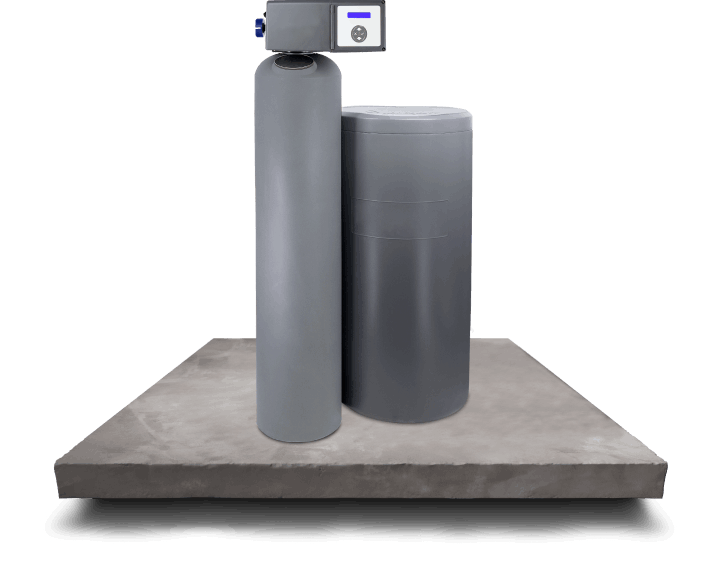
Say goodbye to hard water and enjoy softer skin, cleaner laundry, and longer-lasting appliances.
Our certified specialists will recommend the perfect solution for your home – sized for your family, your water, and your budget.

