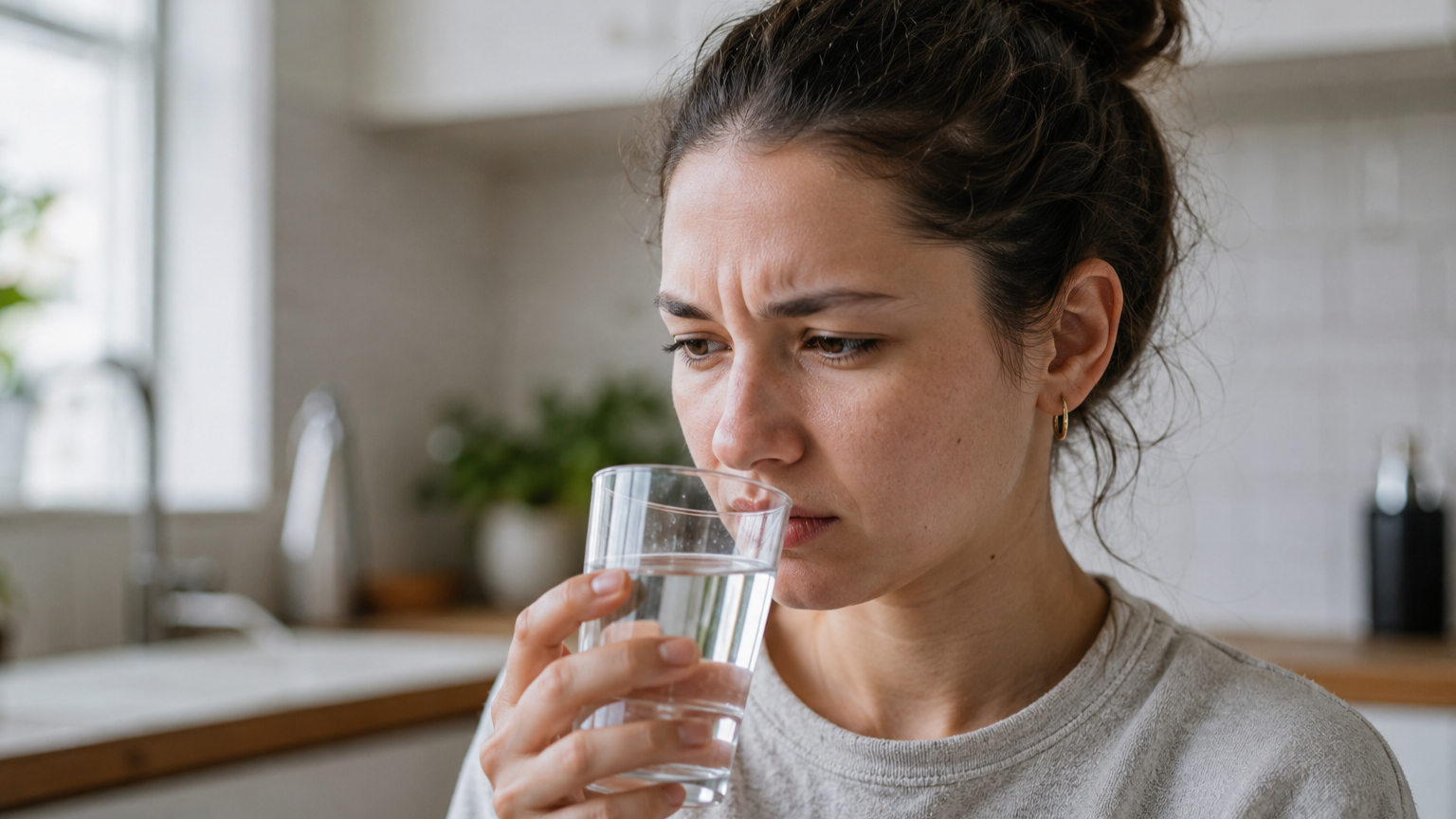
Why Your Water Tastes Metallic: Causes and How to Fix It

Do you ever drink tap water and taste a weird metallic flavour? It’s a common issue in many homes and apartments. This taste usually comes from dissolved metals like iron, copper, or zinc, which can enter your water through old pipes or natural mineral buildup. The taste can be unpleasant and can make you worry about water quality sometimes, though it may not always be dangerous. So, if you are asking, “What does it mean when water tastes metallic?”, this article will give you clear answers. We will investigate the main causes of that taste and share simple, practical ways to fix it so that you can enjoy clean, fresh water again.
If your tap water tastes metallic, here are the most common reasons:

If your drinking water tastes metallic, that doesn’t necessarily mean it is unsafe. This unusual flavour often comes from small amounts of metals, including iron, copper, and zinc — elements that are generally harmless at low levels. The real concern usually lies in how much of these metals are present and how long you have been consuming them.
Iron, for example, is safe in small quantities, but if there’s too much, it can cause staining and even some stomach discomfort. Copper is another metal that’s fine in small amounts, but high levels might cause nausea and, over time, could affect your liver or kidneys. Zinc also plays an essential role in our health when consumed in low doses, but excessive amounts can lead to a bitter taste and an upset stomach.
To protect you, health organizations like the EPA and WHO have set clear guidelines on the acceptable levels of these metals in drinking water. If you find that your water has a strong metallic taste, it’s best to have it tested. This way, you can determine if the metal levels are safe or if you might need to take steps to improve your water quality.
If your water has a metallic taste, the first step is to find out what’s causing it. The most reliable way is water testing. A simple test can show if metals like iron, copper, or manganese are present and in what amounts. This helps you understand if the problem comes from your water source or your plumbing.
You can also look at symptoms in water quality. For example, well water often contains higher levels of iron or manganese, while municipal water usually meets safety standards but can still pick up metals from old pipes. If your home has copper or galvanized plumbing, corrosion may cause that taste.
There are also other signs you can spot without testing: rust-colored stains on sinks, faucets, or laundry often point to iron, and blue-green marks may suggest copper. These clues, combined with testing, make it easier to identify the source of the problem.
By paying attention to these details, you’ll know whether the metallic taste is coming from your water supply or your pipes, and choose the right solution.


There are several practical ways to get rid of the metallic taste in your water.
Copper pipes. Corrosion can release copper into water, leaving a metallic taste and blue-green stains. Replacing damaged sections or using corrosion inhibitors can solve the issue.
Galvanized pipes. These zinc-coated pipes often corrode in older homes, adding a metallic flavour. In many cases, full replacement is the best option, since corrosion worsens with age.
Addressing pipe problems not only improves taste but also protects your plumbing system from leaks and further damage.
How pH affects metal solubility. Acidic water dissolves metals faster, which is why hot water tastes metallic more often — it reacts more quickly with pipes.
Methods to balance pH. Neutralizing filters or pH regulators add minerals such as calcium to increase acidity and prevent corrosion. Balanced pH improves taste, protects plumbing, and ensures safer water for everyday use.
Flushing and simple maintenance will keep your plumbing in good shape, so you can enjoy clear, fresh water.

Check your water regularly. To avoid that metallic taste, be proactive. If you have a private well, it’s a good idea to test your water at least once a year. Keeping an eye on it helps you catch any rises in iron, copper, or other metals before they turn into bigger problems.
Upgrade your pipes. Old copper or galvanized pipes can start to rust and leak metals into your water. Swapping them out for modern options like PEX or CPVC can save you trouble down the road and keep your water safe.
Don’t forget about your filters. Even the best systems need some maintenance. Changing your filters on schedule ensures you’ll always have clean, fresh water without that metallic taste.
A metallic taste in water is often caused by iron, copper, or zinc, but it’s not something you have to put up with. Filtration systems, pipe replacement, and pH adjustment can help, and regular testing and simple maintenance will ensure your water stays clean, safe, and pleasant to drink.


Article content
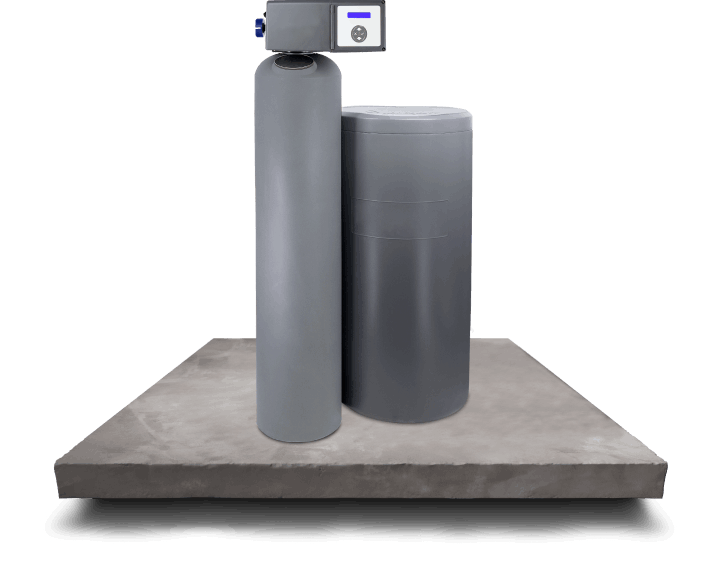
No more sediment, chlorine, and odours — just cleaner, fresher water in every tap in your home.
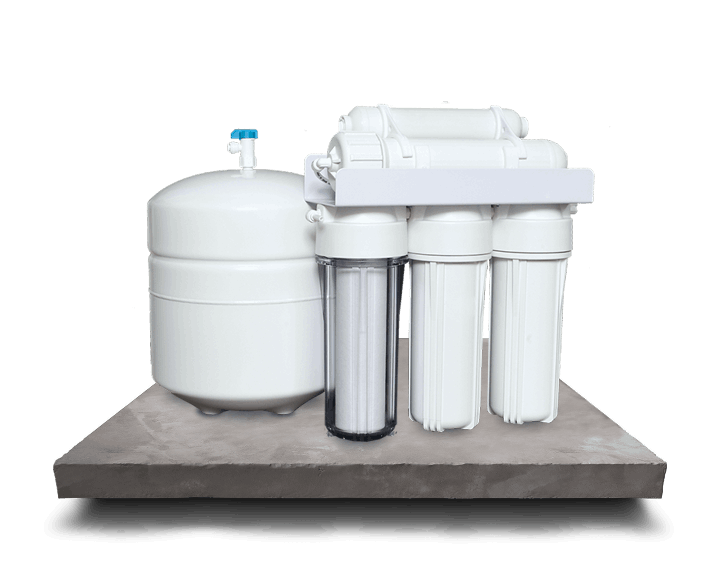
Get pure, great-tasting water by removing heavy metals and other harmful contaminants.
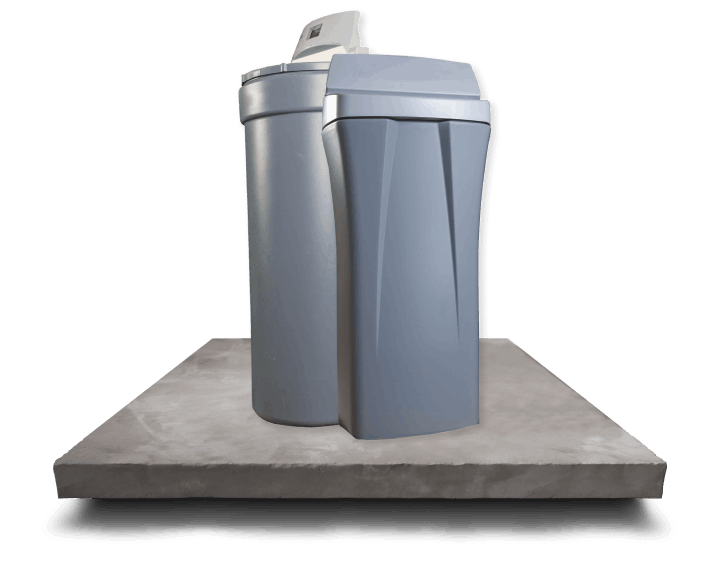
Say goodbye to hard water and enjoy softer skin, cleaner laundry, and longer-lasting appliances.
Our certified specialists will recommend the perfect solution for your home – sized for your family, your water, and your budget.


Every time you fill a glass from the tap, you expect the water to be clean and safe. Still, many people ask themselves: “Is Canadian tap water safe to drink“? It’s a fair question, because even though Canada is known for high water standards, issues like chlorine taste, strange odours, or old plumbing can make you wonder what’s really coming out of your faucet.
In this article, we’ll explore what can affect your water quality, from common contaminants to local infrastructure. You’ll learn how to check if your water is safe, and what steps to take (like using filters or checking pipes) if you’re concerned about its quality.
Before water reaches your home, it goes through water treatment systems. This process usually includes filtering out particles and disinfecting with chlorine or other methods to remove harmful germs. The goal is to make sure the water that flows from your tap is clear and safe.
Still, there are times when contaminants can slip in. Chlorine, while useful, can leave a strong taste. Old pipes may release lead into the water. Microbial risks, such as bacteria or viruses, can sometimes enter through damaged infrastructure or private wells. Nitrates from agricultural runoff are another concern, especially in rural areas.
To keep drinking water safe, Canada has strict regulations in place. Health Canada sets the Guidelines for Canadian Drinking Water Quality, which define acceptable levels for various contaminants. Provinces and local municipalities monitor and test water supplies regularly to make sure these standards are met. So if you’ve ever wondered, “Is it safe to drink bathroom tap water in Canada?”, the answer depends on both the treatment process and the condition of your plumbing.

You probably know that the water coming out of your tap doesn’t just get there by chance. It’s checked carefully before it reaches you. In Canada, clear safety rules set limits for things like chlorine, lead, nitrates, and bacteria, so the water stays safe to drink.
Local water providers follow strict routines. They test the water daily or weekly for contaminants such as bacteria, chemicals, and heavy metals. If something looks wrong, they fix it right away. Once a year, they share a water quality report with the community, so you can see exactly what’s in your water.
Treatment plants also need approvals and certifications to confirm they’re meeting these national guidelines. With clear rules, regular testing, and certified facilities working together, you can feel confident that the water coming from your tap is being closely monitored.
Even though tap water is treated and tested, sometimes contaminants still slip through. Here are the ones you’re most likely to run into:
In some regions, arsenic can be a concern, linked to natural deposits in soil and rock. Fluoride is often added to help prevent tooth decay, but too much can cause staining on teeth.
When you know about these contaminants, it makes sense why your water can taste or smell odd. That’s also why regular testing and monitoring matter so much — they keep your drinking water safe.
Wondering if your tap water is truly safe? Here are four simple ways to check:
Check your local water report. Every municipality in Canada publishes an annual water quality report. You can usually find it on your city’s website. It lists what’s in your water, compares results to national safety standards, and highlights any issues.
Use a home water test kit. These kits are easy to use and widely available. A few drops of water on a strip can reveal levels of chlorine, hardness, or even lead. Some kits test for bacteria, too. But keep in mind that these home kits are not as reliable as lab kits.
Look for warning signs. Discoloration, a metallic taste, or a strong chlorine smell can all signal trouble. Rust stains around fixtures may also point to corrosion in your plumbing.
Check your plumbing. Even if your city’s water supply is clean, outdated plumbing, lead pipes or fittings can add contaminants.
Many homeowners ask: “Is hot tap water safe to drink in Canada?” The answer is no! Hot water can dissolve metals from pipes more easily, so always use cold water for drinking and cooking.
If you’re worried about what’s coming out of your tap, there are steps you can take right away.
Contact your water utility. Your local provider can answer questions, share the latest water quality report, and even arrange extra testing if needed. It’s the fastest way to get official information.
Use filters. Not all filters are the same. For instance, activated carbon filters improve the taste and reduce chlorine, while reverse osmosis systems can remove heavy metals and nitrates. Choosing the right filter depends on what you’re trying to fix.
Consider bottled water or another alternative source. If you’re waiting for test results or dealing with a serious issue, bottled water or a safe alternative source is the quickest solution for drinking and cooking. It’s not ideal in the long term, but it keeps your family safe.
Think about home improvements. Old pipes can leach lead or rust into your water. Replacing outdated plumbing or scheduling a professional inspection can make a huge difference. This investment will protect your health.
Sometimes, it’s best to call a professional. Do it in these cases:
Tap water in Canada is generally safe, but quality can vary with local treatment, plumbing, and the environment.
Check your city’s water report, test water at home when needed, and fix issues with filters or plumbing systems. These small steps will keep your drinking water safe and reliable.


Article content
No more sediment, chlorine, and odours — just cleaner, fresher water in every tap in your home.
Get pure, great-tasting water by removing heavy metals and other harmful contaminants.
Say goodbye to hard water and enjoy softer skin, cleaner laundry, and longer-lasting appliances.
Our certified specialists will recommend the perfect solution for your home – sized for your family, your water, and your budget.

Noticing hair in the shower drain or feeling itchy after bathing? While stress, diet, or your skincare routine can play a role, your water might be part of the problem. Hard minerals, chlorine, or super-hot showers can strip your natural oils, leaving your hair weak and your skin irritated.
In this article, we will explain how water might play a role, how to tell if it’s a trigger, and practical steps to protect your hair and skin. If you experience sudden hair loss, bald patches, severe rash, or bleeding skin, it’s important to consult a clinician.
Does hard water cause hair loss? Water by itself usually doesn’t cause hair loss, but it can make things worse if you already have problems. Hard water minerals build up on your scalp and hair, leaving it heavy, weak, and more likely to break.
Very hot showers can dry out the scalp and strip away natural oils, leading to irritation and breakage that may look like shedding. That’s why many people wonder, “Does hot water cause hair loss?” Itchiness after showering is most often linked to dryness or sensitivity, not “toxic” water.
Sure, water quality can be a trigger, but it’s usually just one part of a bigger picture that includes health, products, and lifestyle.
When you see more hair than usual on your pillow, in your brush, or after a shower, it’s important to know whether it’s true shedding or breakage.
Shedding means the whole strand comes out from the root, often with a tiny bulb at the end. Breakage occurs when hair snaps along the shaft. You’ll usually see shorter pieces, rough or frayed ends, and hair that feels dry or brittle.
Hard water can leave a mineral film on your hair, making it feel coated, heavy, and more likely to snap. This doesn’t cause true shedding, but breakage can look like hair loss. That’s why people often search “hard water hair loss” when they see changes.
Hard water has extra minerals like calcium and magnesium. They’re safe to drink, but they can cause everyday problems. You might see soap scum on sinks and showers, shampoo that doesn’t rinse out, or laundry that feels stiff. On your body, mineral buildup can leave hair dull, heavy, and easy to break. Skin may feel dry or itchy because natural oils wash away faster.
Some people worry and search ”hard water hair loss”, but the truth is that hard water doesn’t usually damage the roots or “kill” follicles. Instead, it can make hair weaker and more break‑prone, which may look like shedding.
That’s why questions like “Can hard water cause hair loss?” are so common. Actually, water quality is just one factor, and understanding its effects helps you decide if it’s part of the problem and what simple steps might help.
Does hot water cause hair loss? Not usually at the roots, but it can make hair weaker and more likely to break. Very hot showers strip away the natural oils that protect both your scalp and skin. Without those oils, dryness and itchiness show up quickly — flakes on the scalp, tight or itchy skin on the body, especially in winter when the air is already dry.
Breakage from dryness can look like hair loss, so many people worry about losing hair after a hot shower. The good news is that a simple change can help: keep the water warm and limit your shower time. A shorter, gentler shower allows your hair and skin to retain moisture, making them softer, calmer, and healthier.
So, does Canada water cause hair loss? Well, it depends since water isn’t the same everywhere in Canada. It can vary from city to city, and even from one home to the next. Some areas have hard water, some use chlorine or chloramine to treat it, and older plumbing can add its own issues. On top of that, climate matters: dry winters can leave your skin and scalp extra sensitive.
Don’t blame Canadian water right away, but check your local water hardness and see how your hair and skin react.
Scenario 1: itchy scalp + dandruff-like flakes
Not all flakes mean dandruff. Dryness, leftover product, sensitivity, or even hard water can cause them. Dry scalp flakes are usually small and light, while product buildup feels heavier or stickier.
If flakes stick around and look greasy, it could be seborrheic dermatitis — that’s when a pharmacist or doctor can help. A simple first step? Rinse your hair thoroughly.
Scenario 2: hair feels waxy/dull + more breakage
If your hair feels coated, heavy, or looks dull, it’s often due to mineral residue from hard water or conditioner that hasn’t rinsed out fully.
A gentle wash can help, but avoid harsh stripping. Your goal is to remove buildup without further drying the hair. Don’t forget to use a light conditioner to keep your hair smooth and less prone to breaking.
Scenario 3: body itch after shower
If your skin feels tight or itchy after a shower, the mix of hot water, hard water, and strong soaps may be to blame. Hot water strips natural oils, while minerals and harsh cleansers can make skin more sensitive. People with eczema‑prone skin often notice this even more.
A simple solution is to use warm water, choose mild cleansers, and apply a fragrance‑free moisturizer right after showering. This locks in moisture and helps calm the skin.
1. Lower the water temperature and shorten showers
Hot water feels great, but strips natural oils. Warm showers and less time under the spray help keep both hair and skin comfortable.
2. Switch to gentle, fragrance‑free cleansers and moisturize right after shower
Harsh soaps can dry out your skin even more. A gentle cleanser and fragrance-free moisturizer applied within minutes of showering helps lock in moisture.
3. Adjust your hair routine
Rinse thoroughly to prevent product buildup. Avoid using heavy conditioners, masks, and styling products all at once.
4. Try an occasional clarifying wash
Use a gentle clarifying shampoo once in a while. Don’t do it daily, as over‑stripping can make hair brittle.
5. Install a shower filter
A filter can reduce chlorine smell or taste, which some people find irritating. Note: it won’t truly “soften” hard water minerals.
6. Consider a water softener if the hardness is high
If your water is very hard, a softener or whole‑home conditioning system may help. This is a bigger change, but it can reduce mineral deposits and make water feel gentler on hair and skin.
Does soft water cause hair loss? Not directly. What often happens is that soft water feels “slippery” compared to hard water, and shampoo doesn’t lather as well. Because of this, people sometimes use more product than they need or don’t rinse as thoroughly. That can make hair or scalp feel coated, which may cause irritation or make breakage look like shedding.
Can a water softener cause hair loss? Again, not usually. A softener changes how water feels, but it doesn’t damage hair roots. If itchiness or buildup started right after installing the softener, try using less shampoo or conditioner, rinse a bit longer, and check that the softener is maintained and set correctly.
Soft water itself isn’t harmful — it just takes a little getting used to.
When people ask how to regrow hair loss due to hard water, the answer depends on what’s really happening. If it’s mostly breakage, better shower habits and thorough rinsing can help your hair look fuller as it grows.
If you’re dealing with true shedding from the root, water alone isn’t usually the main cause. Stress, illness, hormones, or scalp inflammation are more common triggers. In that case, it’s best to look at the bigger picture and consider medical advice.
If you’re worried about how water might affect your hair or skin, a quick test can give the answers. The first thing to check is hardness — simple test strips are cheap and easy to use at home. Your local utility usually provides notes on chlorine or chloramine levels, which can also matter.
If you use well water, it’s smart to do broader testing since minerals, bacteria, or other factors can vary more. Starting with hardness strips is an easy first step, and from there, you can decide if more detailed testing is needed. Knowing what’s in your water helps you understand whether it’s part of the problem and what changes might help.
Get professional help if you notice sudden heavy shedding, bald spots, scalp pain, or a rash that oozes. A constant itch that keeps you up at night is another warning sign.
If these symptoms last more than six to eight weeks, even after you change your routine, don’t wait — see a doctor or dermatologist.
Water can make dryness, itch, and breakage worse, but it’s rarely the only cause. The best approach is step by step: take shorter, cooler showers, use lighter products, and cut down on buildup.
If tests show your water is really hard, a filter or softener can help. With these changes, hair and skin usually feel better over time.


Article content
No more sediment, chlorine, and odours — just cleaner, fresher water in every tap in your home.
Get pure, great-tasting water by removing heavy metals and other harmful contaminants.
Say goodbye to hard water and enjoy softer skin, cleaner laundry, and longer-lasting appliances.
Our certified specialists will recommend the perfect solution for your home – sized for your family, your water, and your budget.
You turn on the tap—and there it is. If you’ve ever thought, “why my tap water smells like chlorine” you’re not imagining it. This is something many households notice. But luckily, it’s usually harmless. That slight pool-like scent comes from chlorine, which utilities add to kill germs and protect the supply as it moves through the system.
Below, we break down why the smell happens, what it means for your health, and when it’s nothing to worry about. You’ll also learn a few easy ways to make the odour less noticeable.
Municipal systems use chlorination for disinfection. After the water leaves the treatment plant, a small amount of the chemical stays in. This is the reason why tap water suddenly smells like chlorine.
Whereas, water utilities usually use free chlorine or chloramine. Both do a good job of killing bacteria, but they act differently. Free chlorine reacts quickly and may produce a sharper smell. Chloramine is more stable and lasts longer in the pipes. It may create a milder odour but different by-products.
👁️🗨️The type of disinfectant can change depending on where you live and the time of year. Free chlorine works quickly in the heat of summer. Chloramine stays in the system longer when temperatures drop, keeping your water safe.
The odour shows that the water has been disinfected. Therefore, it is safe to drink.
Health Canada guidelines allow up to 5 milligrams of chlorine per litre. Most systems stay below this limit, which is usually between 0.2 and 2.0 mg/L. The levels are regularly checked at treatment plants and throughout the distribution network.
👁️🗨️High levels of chlorine, above the ones municipal systems allow, can irritate the digestive tract. However, such levels are rare due to constant monitoring.
Even though tap water is safe to drink, the odour can sometimes intensify. It happens due to the following factors:
Reason | How it works |
Freshly treated water or recently flushed pipes | Disinfectant levels can be higher than usual, making the smell more noticeable. |
High water demand | Utilities may boost the disinfectant to keep the system safe, which means more remains in the supply that reaches your home. |
Water sitting in pipes | When water isn’t replaced with a fresh supply, the chemical lingers longer in the plumbing. |
Older pipes, storage tanks, or mineral deposits | These can react with the treatment chemicals, releasing compounds that make the odour easier to notice. |
Low water usage | Water stays in the plumbing longer, giving taste and smell more time to develop. |
Warm temperatures | Higher temperatures speed up chemical reactions, causing the disinfectant to evaporate faster and the scent to become more noticeable. |
Heavy rain or melting snow | Organic material can enter the water supply and react with the treatment chemicals, producing by-products that are easier to detect by smell. |
In most cases, a stronger chlorine smell is normal and harmless, and your tap water is safe to use.
There are several effective ways to improve drinking water quality in your home. Let’s break down each of them:
Chlorine and organic compounds are trapped as water passes through carbon material, improving taste and odour. These systems come in various forms, including pitchers, faucet-mounted units, and under-sink setups.
Pros
Cons
Chlorine naturally dissipates when water is left in an open container, reducing its smell over time. This works best for drinking or cooking water when left for several hours or overnight.
Pros
Cons
Water is forced through a semi-permeable membrane, which removes chlorine along with other impurities. Systems are available for point-of-use taps or whole-house installation, providing clean water and improving taste and odour.
Pros
Cons
All water entering your home passes through carbon or other specialized media, reducing chlorine and other chemicals. This system also improves taste, odour, and overall quality throughout the house.
Pros
Cons
✔️ Yes: Consider activated carbon filters or letting water sit.
✖️No: Continue to step 2.
✔️ Yes: A reverse osmosis (RO) system may be the best choice.
✖️No: Continue to step 3.
✔️ Yes: A whole-house filtration system is ideal.
✖️No: Stick with point-of-use options like carbon filters.
🔲 Low cost, simple – letting water sit
🔲 Affordable, easy to maintain – activated carbon filters
🔲 Higher cost, professional installation required – RO or whole-house systems
Consider your budget, the volume of water you use, and whether you want treatment at a single tap or for the entire house.
If the odour remains strong despite using filters or other methods, follow the steps below:
Step | What to do | Details |
Check recent changes in your water supply | Contact your local water utility | Ask about maintenance, flushing, or treatment adjustments that could affect chlorine levels. |
Report the odour | Use your municipality’s customer service line or online system | Provide details such as the time, location, and how long you’ve noticed the odour. |
Confirm water safety standards | Ask your supplier | Verify whether chlorine levels are within safe guidelines and whether the smell is normal or temporary. |
Ask for recommendations | Get guidance from your water authority | Follow suggestions to reduce odour at home, such as flushing taps or adjusting treatment methods. |
These steps ensure you stay informed on what to do if tap water smells like chlorine and help address persistent issues effectively.
Some water systems use chloramine. The chemical stays in pipes longer, helping keep the supply safe across large or complex distribution networks.
Its taste and smell are different from regular chlorine. The odour is usually milder, but some people may notice it. Standard activated carbon filters can reduce it, though you may need stronger point-of-use or whole-house systems for more effective removal.
Some municipalities are switching to this method to improve water stability and reduce certain by-products. For homeowners, the water remains safe to drink. At the same time, the taste or smell may be slightly different. Treatment solutions may need adjustment if your local supply uses chloramine instead of free chlorine.
Chlorine in tap water protects public health but can sometimes create an unpleasant odour. Knowing why the smell occurs and how to reduce or remove it can help you enjoy better-tasting water and more comfort at home.


Article content
Say goodbye to hard water and enjoy softer skin, cleaner laundry, and longer-lasting appliances.
Get pure, great-tasting water by removing heavy metals and other harmful contaminants.
No more sediment, chlorine, and odours — just cleaner, fresher water in every tap in your home.
Our certified specialists will recommend the perfect solution for your home – sized for your family, your water, and your budget.

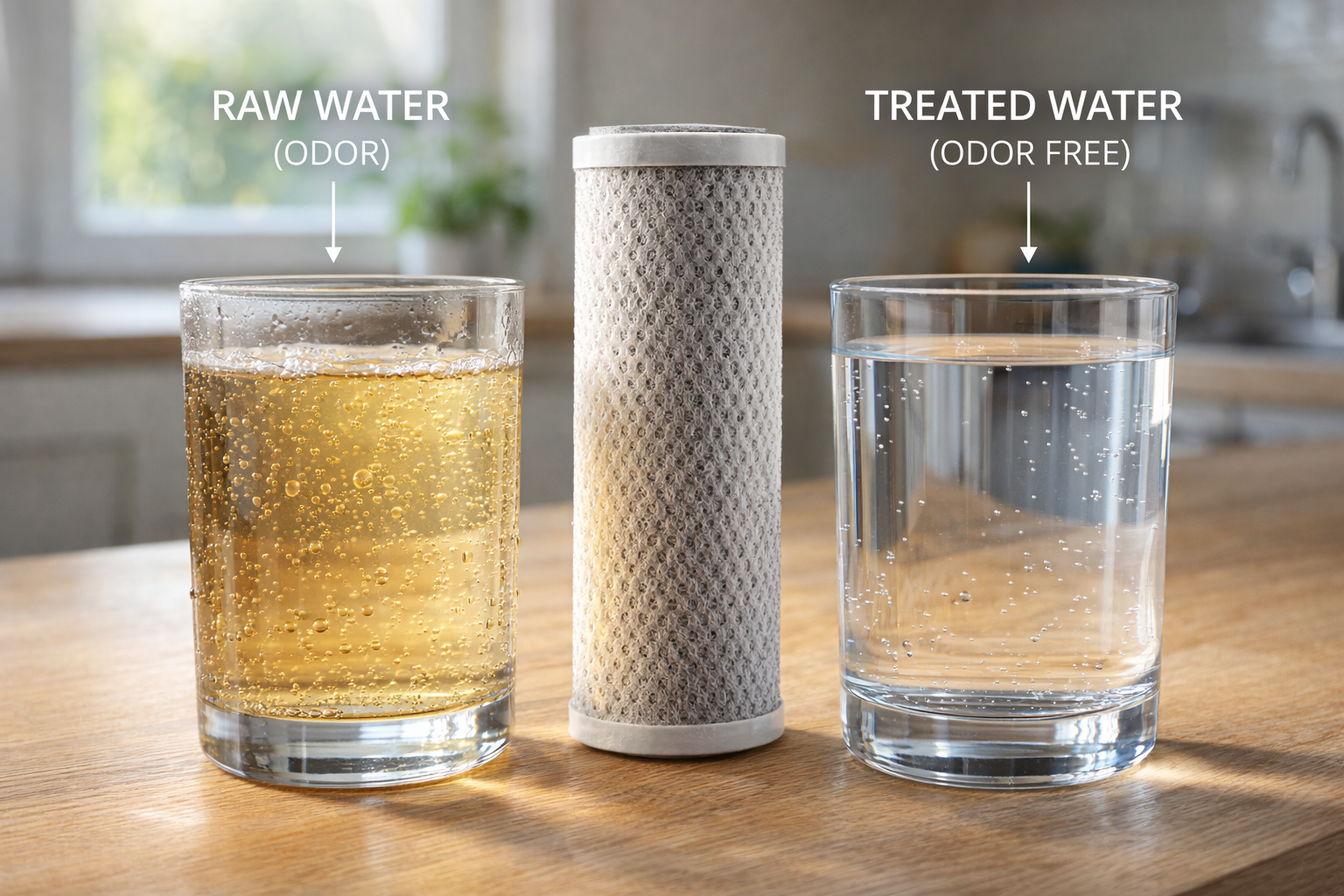
If you use well water, you probably know that awful rotten‑egg smell when you turn on the tap. It comes from hydrogen sulphide, a gas that often shows up in underground water. The smell makes your drinking water taste bad, spreads through the whole house, sticks to laundry, and can even harm your appliances over time. These water quality problems are annoying and can get expensive if ignored.
The good news is you can fix it. In this article, we’ll look at why the odour occurs, how to find its source, and how to get rid of rotten egg smell in water. You will also learn practical methods and simple steps to prevent this problem.
The rotten egg smell in water usually comes from hydrogen sulphide gas. This gas appears when sulphur-reducing bacteria break down minerals underground. As they feed, they release hydrogen sulphide, which gives off that strong, unpleasant odour.
People who use well water notice this problem more often than those on city water. City water is treated and tested before it reaches your tap, but well water comes straight from the ground, where bacteria and minerals can build up naturally.
Several things can make the smell worse. A deeper well, warmer water, or water that has been sitting still for too long can all worsen the problem. Organic material in the well can also make the odour stronger. So, when you ask what causes rotten egg smell in water, the answer is a mix of the natural activity of bacteria and the conditions inside your well.

The sulphur odour is hard to miss. Why? It smells just like rotten eggs. But it’s important to know how to tell it apart from other odours.
Chlorine gives water a sharp, chemical scent, rust smells metallic, and algae can leave a musty or earthy odour. But the rotten egg smell is different: it’s stronger, more unpleasant, and lingers in the air.
You’ll often notice it most when you first turn on the tap, especially if the water hasn’t been used for a while. It can also appear after heavy rain. When you notice a rotten egg smell in hot water heater, it’s usually because hydrogen sulfide gas has built up in the system.
One quick way to tackle the rotten egg smell is shock chlorination. This means adding chlorine to your well water to kill the bacteria that cause the odour. It’s a straightforward method and often works well when the smell comes from bacterial growth.
You can do it yourself, or you can call a professional if you’d rather not deal with chemicals. Either way, the process usually clears the smell for a while and gives you fresher water.
The downside is that it doesn’t always last. If the bacteria return, the smell can come back too. That’s why shock chlorination is a short-term solution.
Another reliable way to deal with the rotten-egg smell is to use filtration systems. Different filters work differently, and choosing the right one depends on how strong the odour is.
For instance, activated carbon filters improve taste and remove light odours, so they work well if the smell isn’t too strong. For more serious sulphur problems, oxidizing filters are a better choice. These filters use special media to change hydrogen sulphide into particles that can be trapped and removed.
Another method is air injection filtration. This system adds oxygen to the water, which reacts with the sulphur and makes it easier to filter out.
No matter which system you choose, regular maintenance is key. You should clean and replace filters on time. But with proper care, filtration systems can keep your water fresh and safe.

Aeration is another effective way to fight the rotten egg smell. The idea is simple: air is pumped into the water, which reacts with the hydrogen sulphide gas and removes it. Once the gas is oxidized, it can be filtered out, leaving the water fresh and without odour.
This method works best for wells with high levels of sulphur, where other solutions might not work out. One big advantage is that aeration doesn’t rely on chemicals — it’s a natural process.
Aeration systems might take a little effort to set up, but they’re a good choice if you want a lasting result without using chlorine or other chemicals.
For homes that struggle with both hard water and sulphur odours, a mix of water softeners and iron filters can help. Together, they remove minerals that cause hardness and tackle the sulphur that creates the smell.
Here’s how it works: the softener uses ion exchange to pull out calcium and magnesium, while the oxidizing filter changes sulphur and iron into particles that can be trapped and removed. The result is cleaner, fresher water that tastes better and doesn’t leave stains or odours behind.
This setup is especially useful if your well water has that “rotten egg” smell along with hard water issues. You can solve two problems at once and get better water for drinking and cooking, and protect your appliances.

In some cases, the rotten egg smell is so strong that regular methods just don’t work. That’s when chemical treatments come in. Substances like sodium hydroxide or hydrogen peroxide can be added to the water to break down sulphur and remove the odour. These treatments are powerful and can handle very high levels of sulphur.
Chemical treatment is usually only needed in extreme situations. It’s not the first option most homeowners try, but it can be effective when nothing else solves the problem.
If used correctly, chemicals can handle stubborn odours. But since they are strong and must be applied carefully, it’s best to leave this job to professionals. They know how to apply the right amount safely and make sure the water is treated properly.
Taking care of your water systems is the best way to prevent that unpleasant sulphur smell from coming back. But there’s more:
The costs depend on the method you choose. Shock chlorination is usually the cheapest option, while installing filtration or aeration systems can be more expensive because they require equipment and setup.
After you install the system, you’ll have some ongoing costs. You’ll need to change filters, maintain aeration systems, and apply chemical treatments if the problem is severe.
Quick fixes like chlorination cost less, but they don’t always last. Bigger solutions like filtration or aeration cost more upfront, but they give you cleaner water and peace of mind for the long run.
Sometimes the smell is too stubborn for simple fixes. For example, if you notice a rotten egg smell in hot water, it usually means bacteria are growing inside your water heater. In that case, simply shocking the well or changing a filter won’t solve it.
Other signs that require expert help include:
When choosing a professional, look for someone experienced in well water treatment. A specialist can test your water, find the exact cause, and install the right system. This way, you’re not just masking the smell, you’re solving the problem at its root.
The rotten egg smell in water is almost always caused by hydrogen sulphide gas, created by bacteria underground. The odour can be unpleasant, but the good news is that there are several effective ways to deal with it: shock chlorination, filtration systems, and aeration.
The goal is not only to solve the problem once, but also to keep it from coming back. Regular well care, proper treatment, and routine testing help prevent future issues so your water stays clean, safe, and fresh!


Article content
No more sediment, chlorine, and odours — just cleaner, fresher water in every tap in your home.
Get pure, great-tasting water by removing heavy metals and other harmful contaminants.
Say goodbye to hard water and enjoy softer skin, cleaner laundry, and longer-lasting appliances.
Our certified specialists will recommend the perfect solution for your home – sized for your family, your water, and your budget.
When comparing distilled water vs reverse osmosis for drinking, cooking, or appliances like humidifiers, many homeowners struggle to choose what’s best for their needs. Both methods promise cleaner water than tap, but they work differently and deliver different results. So which one is best for you? It depends on what your priorities are: taste, ultra-low levels of minerals, or the safety of your home appliances.
We will keep it as simple as possible for you and explain how each process works, which contaminants are removed, how they affect taste and minerals, and what to expect in terms of convenience, cost, and maintenance.
By the end of this article, you’ll know which option – reverse osmosis vs distilled water, or a combination – is best for you.
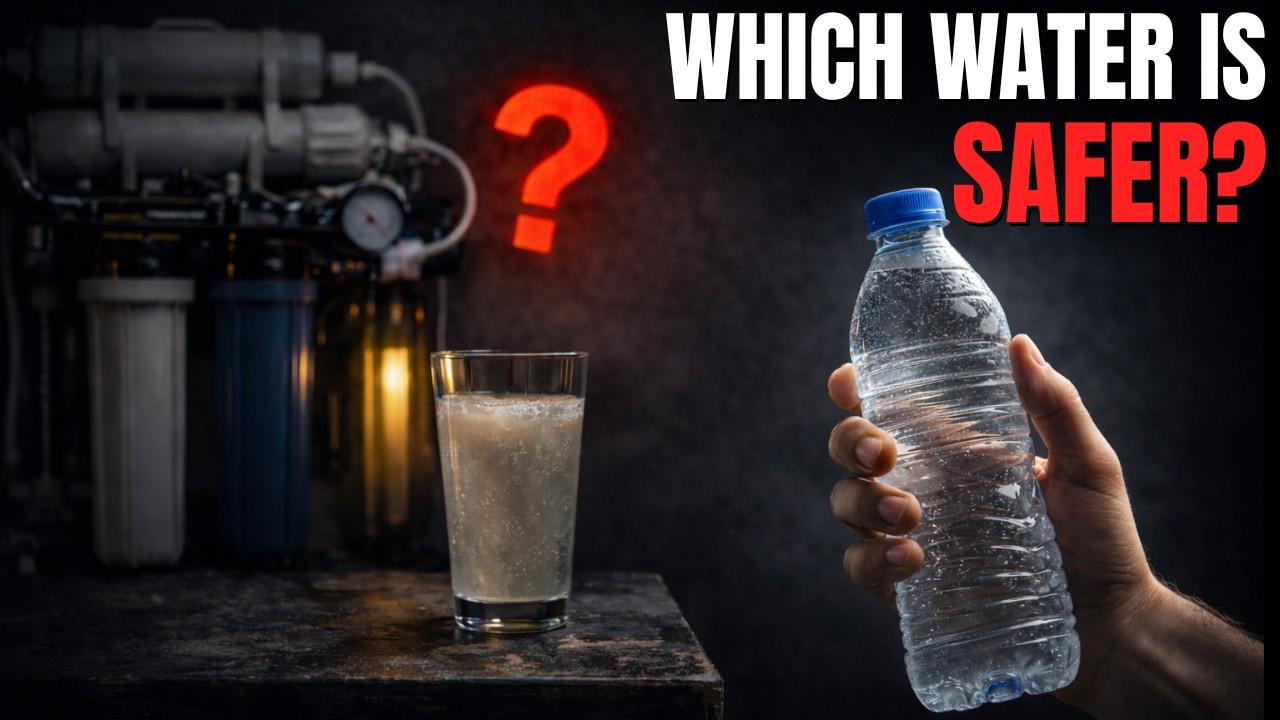
Here’s the bottom line: the choice between reverse osmosis water vs distilled water is usually about convenience and purpose. RO water is perfect for daily drinking because you get filtered water on demand, and the system removes a wide range of contaminants. Whereas distilled water is extremely low in minerals and great for specific uses such as sensitive appliances or laboratory-style purity.
The “best” choice depends on your needs. For everyday drinking, RO usually wins. For appliances or medical devices that demand very low minerals, distilled water is the better option.
That’s what you need to know before we delve into the comparison of reverse osmosis vs distilled water for drinking.
Distillation is simple and reliable. You boil water, capture the steam, and condense it back into liquid, leaving almost all dissolved solids behind.
Distilled water is almost completely free of minerals and contaminants, which is why some people prefer it for devices sensitive to scale or residue.
Reverse osmosis is quite different. It pushes water under pressure through a semi-permeable membrane, separating clean water from dissolved salts and contaminants. Most RO systems include sediment and carbon pre-filters to protect the membrane and improve taste.
RO systems are convenient for households that use water frequently for drinking and cooking.
When you distill water, you’re essentially starting from scratch and rebuilding it from steam. That’s why distilled water has a reputation for being “ultra-pure.” It does an excellent job of leaving most contaminants behind, but that same process also strips out everything else, including minerals that affect taste. Here’s what distillation typically removes:
Keep in mind:
Volatile compounds such as certain solvents or low-boiling VOCs can carry over unless there’s proper venting or a post-carbon filter. Such water is extremely low in minerals, which can taste flat compared to RO or tap water.
Distilled water is ideal when purity is the priority, whether for sensitive appliances or lab use.
Reverse osmosis works a bit differently. It’s especially effective for everyday drinking water, where you want strong contaminant reduction without ending up with completely mineral-free water. Here’s what a typical RO system removes:
Dissolved salts and minerals: sodium, calcium, magnesium
Heavy metals: lead, chromium, arsenic (depending on the membrane)
Fluoride and nitrates: if you have the right system
Taste-affecting chemicals: chlorine, organics, and some VOCs via carbon pre-filters
Keep this in mind:
The results you get depend heavily on how the system is built, the quality of the filters, and whether you maintain it. Many systems also include a remineralization stage, which adds a small amount of minerals to the water so it doesn’t taste flat.
When everything is set up and maintained properly, RO gives you a very practical balance of good taste, everyday convenience, and reliable safety for drinking water.
Once we move past the technical side, the real differences show up in everyday use. This is where you’ll actually feel the contrast between distilled water and RO: how the water tastes, how it feels when you drink it, and how comfortable it is to live with day after day. Taste is usually the first thing people notice, so let’s start there.
For busy households, RO is usually easier to integrate into daily routines.
Consider your household’s daily water needs and energy use when choosing.
When you look at cost, it’s not just about the price tag, it’s also about time, effort, and ongoing expenses.
RO usually costs more at the beginning, but it saves you time and effort every day. On the other hand, distillation seems cheaper at first but requires more energy and maintenance.
The “best” option really depends on how you plan to use the water day to day. What works perfectly for drinking and cooking might be inconvenient for appliances, travel, or occasional backup use. With that in mind, here’s how distilled water and RO usually fit into real-world scenarios.
Even when you compare reverse osmosis vs distilled water, it’s important to understand that neither method is completely foolproof on its own. To ensure safe and reliable water, you often need pre-filters and extra protection to deal with specific risks.
No matter which option you choose, clean water doesn’t come from the system alone, and its quality depends on how well you take care of it. Here’s what you should pay attention to:
Keeping up with maintenance protects your family’s water quality and extends the life of your equipment.
For most households, RO is the best for drinking water: convenient, continuous, and broadly effective at removing contaminants.
Distilled water excels in specialized situations, like protecting appliances or achieving ultra-low mineral content.
Pick the best option based on your water source, your goals, and how much maintenance you are willing to do.


Article content
Get pure, great-tasting water by removing heavy metals and other harmful contaminants.
No more sediment, chlorine, and odours — just cleaner, fresher water in every tap in your home.
Say goodbye to hard water and enjoy softer skin, cleaner laundry, and longer-lasting appliances.
Our certified specialists will recommend the perfect solution for your home – sized for your family, your water, and your budget.
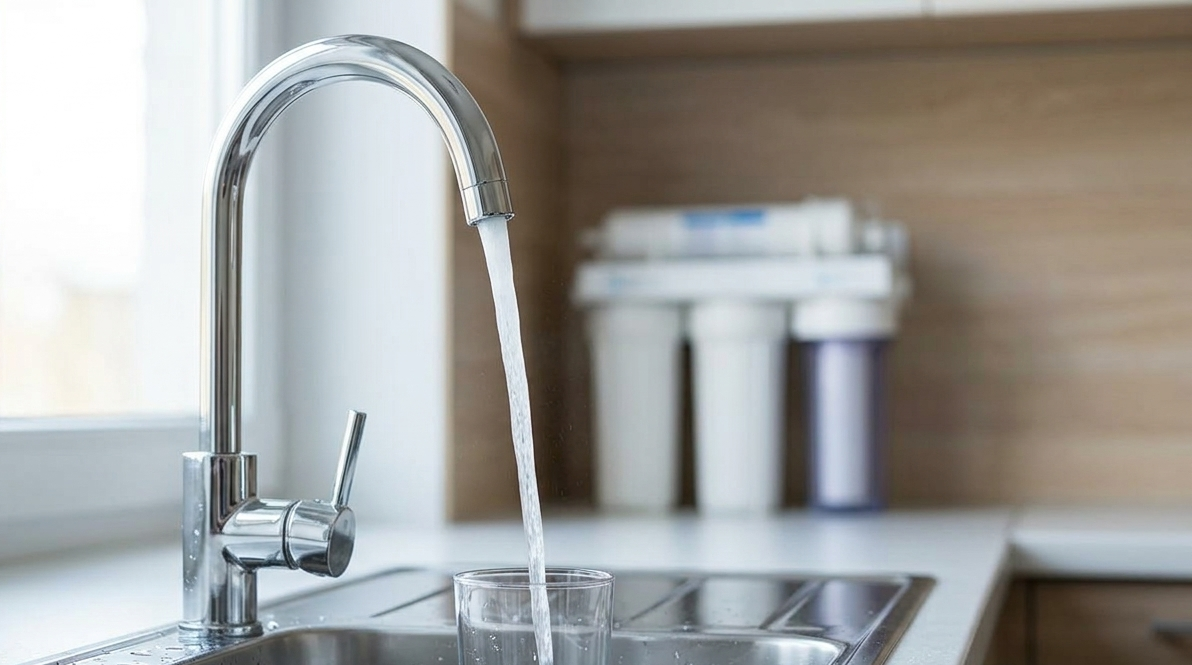
Chlorine is added to municipal water supplies to kill bacteria and keep the water safe as it goes through pipes. While it does its job well, you may notice the downside: a strong smell, a sharp taste in drinking water, and even dry skin or brittle hair after showering. Families with children, or anyone who finds the smell of chlorine unpleasant, often notice it more.
The good news is that you don’t have to put up with it. In this article, we’ll explore how to remove chlorine from water at home using simple methods and reliable solutions. You’ll learn how to pick the best solution and check that it’s working for you.
If you’re wondering how to remove chlorine from tap water, there are several simple options.
Activated carbon filters are the most popular choice — they come in pitchers, faucet attachments, under‑sink units, and even whole‑house systems, all designed to trap chlorine and improve taste.
For drinking water, letting it stand uncovered for a few hours can help a little, while boiling removes chlorine more effectively. To do this, bring the water to a rolling boil for about 15–20 minutes.
In the shower, special filters are available to reduce chlorine smell and protect your skin and hair.
All these methods can make your water fresher and more pleasant to drink.
Most people know about chlorine in tap water, but fewer realize that many cities now use chloramine, which is a mix of chlorine and ammonia.
Both are added to kill bacteria, but they behave differently once the water reaches your home. Chlorine is easier to notice because of its strong smell and taste, and it can be removed fairly quickly.
Chloramine, however, is more stable and doesn’t disappear as easily. That means the usual pitcher or faucet filter won’t do much. To really reduce chloramine, you need a special type of filter called catalytic carbon, which can handle this tougher compound.
Knowing the difference helps you choose the right system. This way, your family will get water that is safe, fresh-tasting, and gentle on skin and hair.
Best for improving the taste and smell of drinking water for everyday use.
How it works. Activated carbon traps chlorine molecules as water passes through, making it fresher and cleaner. This is one of the most effective ways to tackle the problem if you’re wondering how to remove chlorine taste from water at home.
Pros. They are easy to find, simple to install, and available in different formats, from pitchers to faucet attachments and under‑sink units. These filters noticeably improve taste and odour, making your tap water more pleasant to drink. Many models have certifications (like NSF/ANSI standards) that guarantee chlorine reduction.
Limits. These filters mainly target chlorine, not chloramine, and they don’t soften water, or their heavy metal removal depends on filter design and certification. Pitchers and faucet filters may be slower or less powerful compared to under‑sink systems.
Cost/maintenance. Depending on use, cartridges may need changing every 2–3 months for pitchers and faucets, or every 6–12 months for under‑sink units. To keep your water tasting clean and the filter performing well, replace it regularly.
Best for those who need safer, better‑tasting drinking water without buying any equipment.
How it works. If you’re wondering how to remove chlorine from drinking water fast, boiling is the most effective short‑term method. Bring the water to a nice, rolling boil and let it bubble away for about 15 to 20 minutes!
Another option is to let water sit uncovered for several hours, which allows chlorine to slowly evaporate.
Pros. This method is simple, free, and useful when you only need small amounts of water for cooking or drinking.
Limits. Letting water sit is slow and doesn’t remove all chlorine. Boiling works better but isn’t practical for large volumes or everyday use. Neither method tackles chloramine, which requires special filters.
Cost/maintenance. It requires no extra cost, just time and energy. Great as a temporary solution until you choose a longer‑term fix.
Best for those who need safer, better‑tasting drinking water without buying any equipment.
How it works. If you’re wondering how to remove chlorine from drinking water fast, boiling is the most effective short‑term method. Bring the water to a nice, rolling boil and let it bubble away for about 15 to 20 minutes!
Another option is to let water sit uncovered for several hours, which allows chlorine to slowly evaporate.
Pros. This method is simple, free, and useful when you only need small amounts of water for cooking or drinking.
Limits. Letting water sit is slow and doesn’t remove all chlorine. Boiling works better but isn’t practical for large volumes or everyday use. Neither method tackles chloramine, which requires special filters.
Cost/maintenance. It requires no extra cost, just time and energy. Great as a temporary solution until you choose a longer‑term fix.
Best for quick dechlorination in baths and showers, especially for sensitive skin or children.
How it works. Vitamin C, also known as ascorbic acid, neutralizes chlorine almost instantly when added to water, including some chloramine compounds. You may dissolve a small amount of powder or tablets in bath water, or install special shower filters with vitamin C cartridges to purify the water as it flows through.
Pros. This method is fast, inexpensive, and gentle. Many people notice softer skin and hair, plus the chlorine smell disappears.
Limits. This method only treats the water where it’s applied and does not dechlorinate your entire house or tap water.
Cost/maintenance. It’s affordable and easy to use, but you’ll need to replace cartridges or add Vitamin C regularly to maintain effectiveness.
Choosing the right method depends on your situation and needs.
Finally, if your city uses chloramine instead of chlorine, make sure to choose catalytic carbon filters, since regular ones won’t be enough.
Matching the right solution to your lifestyle ensures you get the best results without overspending.
The simplest way is to use at‑home chlorine testing strips. Just dip one into a glass of tap water before and after filtration, then compare the colour change to the chart. If the strip shows little or no chlorine, your filter is doing its job.
Another method is to check your local utility’s water report, which tells you whether they use chlorine or chloramine. This matters because, as mentioned before, chloramine requires special catalytic carbon filters. Interpreting results is straightforward: if chlorine levels drop noticeably, you’ll taste and smell the difference too.
Testing gives you peace of mind and helps you know when it’s time to replace or upgrade your system.
When deciding how to remove chlorine and fluoride from water, keep in mind that the methods mentioned above do not remove fluoride.
Pitcher filters are the most budget‑friendly, usually $20–$50, but they need cartridge changes every 2–3 months.
Under‑sink systems cost more, often $150–$400, and they require filter replacement about once or twice a year.
Whole‑house carbon systems are the biggest investment, ranging from $800 to several thousand dollars, depending on size and flow rate, but their components can last several years.
No matter which option you choose, remember that proper maintenance is key. If you skip replacing the filter, chlorine can quickly reappear, so following the schedule is important.
To wrap it up, carbon filters are the most popular solution for most homes — they are simple, effective, and great at removing chlorine taste and smell.
But if your city uses chloramine, you’ll need catalytic carbon, because regular filters just won’t handle it.
The best choice depends on your situation. Matching the right system to your needs means better‑tasting water, softer showers, and peace of mind every day.


Article content
Say goodbye to hard water and enjoy softer skin, cleaner laundry, and longer-lasting appliances.
Get pure, great-tasting water by removing heavy metals and other harmful contaminants.
No more sediment, chlorine, and odours — just cleaner, fresher water in every tap in your home.
Our certified specialists will recommend the perfect solution for your home – sized for your family, your water, and your budget.

Toronto’s tap water is carefully treated and strictly regulated. But is it safe to drink tap water in Toronto? At the city level, yes. However, ‘safe’ doesn’t always mean the water quality at your kitchen faucet is the same. Factors like building age, plumbing materials, and recent maintenance work can affect what actually comes out of the tap.
This article explains how Toronto’s drinking water is regulated and monitored, what typically affects taste and quality, and where risks can arise at the household level. You will also find out how to test your water and choose a targeted solution to treat it. That way, you can tackle a confirmed issue without having to guess.
Yes. Toronto’s tap water meets provincial standards and is safe for the general population according to routine monitoring and public reporting. The City treats and tests water before it enters the distribution system. The results are published annually.
One thing to keep in mind is that water quality can change once it leaves the city system. While travelling to your home, it might pick up lead from older pipes or be affected by plumbing materials. You might also notice changes in taste or smell, especially after repairs or maintenance work
Is tap water in Toronto safe to drink if I live in an older building? Yes, but quality can be affected by older plumbing or service lines.
In Toronto, drinking water safety is governed by the Ontario Drinking Water Quality Standards. These standards set health-based limits for bacteria, chemicals, and radiation. Moreover, they define the performance of treatment systems. Municipal systems are required to regularly sample water, document results, and report exceedances.
Toronto’s drinking water system meets these requirements, and the treatment plants test water at multiple stages. Then, the City publishes annual system reports that summarize compliance, detected substances, and incidents.
Keep in mind that these standards apply to water delivered to the distribution system. They do not account for conditions inside private buildings.
The water comes from Lake Ontario and is treated at four plants that operate 24 hours a day. Together, they treat more than one billion litres of drinking water daily for homes and businesses across the city.
The treatment process includes the following stages:
After treatment, the system distributes water through pumping stations, reservoirs, storage tanks, and watermains. Operators adjust pressure and supply to meet daily demand and ensure service during peak periods or emergencies.
A few factors can affect water taste and appearance. See what they are and ways to address them if needed.
Chlorine keeps water safe while it moves through the distribution system. As a result, residents may notice a mild chemical taste or “pool-like” odour, particularly after water sits overnight in pipes. These variations affect comfort rather than health.
To reduce this, flush taps for 30–60 seconds in the morning. Additionally, you can use activated carbon filters. They remove most taste and odour but leave naturally occurring minerals intact.
👁️🗨️Is the tap water in Toronto safe to drink if I notice a chlorine taste or smell? Yes. These disinfectant residuals are safe.
Toronto’s water contains naturally occurring minerals like calcium and magnesium, which can cause minor scale buildup on kettles, coffee makers, and faucets over time. These levels are safe to drink and rarely affect health.
Install softeners or scale-control devices that handle hardness and protect fixtures and appliances. Also, descale kettles and faucets regularly to maintain their efficiency.
👁️🗨️Is tap water safe to drink if it’s hard or has minerals? Yes. Toronto’s mineral levels are safe; hardness affects some kitchen and bathroom appliances only.
The City tracks a wide range of chemical and physical parameters at very low concentrations and publishes the results. Levels can vary between neighbourhoods depending on pipe materials, water age in the distribution system, and seasonal treatment changes. In most cases, trace contaminants stay below regulatory limits and do not affect taste.
Review recent Toronto system reports to understand current conditions in your area.
Most tap issues in the province come from building-level conditions or temporary system changes. Here are the situations where you might need to pay attention, do some testing, or take quick action.
The biggest local concern is older service lines and household plumbing. Water leaving city treatment plants is free of contamination, but it can pick up impurities as it travels through pipes. This is especially true for homes built before the mid-1950s.
The City offers free lead testing kits and may replace its portion of the service line, but as a homeowner, you are responsible for your plumbing. Testing shows the water quality at your tap and helps you take action, like flushing or using certified filters. Pipe replacement fixes the root problem
👁️🗨️Is tap water safe to drink in Ontario, Canada, if my home has older plumbing? Yes. Water leaves the plant safe. However, lead from old pipes can enter the tap.
Some households have a lower tolerance for water contaminants, even in small amounts. This can include families having babies, pregnant women, and people with weakened immune systems. Therefore, they may need water quality checking even in newer buildings.
Public health advice combined with simple testing offers a clearer picture of what’s coming out of the tap and whether it poses concerns.
👁️🗨️Is tap water safe to drink in Toronto if I am pregnant, have an infant, or have a weakened immune system? Yes. Toronto’s water is safe. Yet, testing can provide extra reassurance for sensitive populations.
Water can appear cloudy, brown, or smelly. It usually happens after nearby construction, water main repairs, or pressure changes. In these cases, residents should check City advisories and flush cold-water lines until the water runs clear. Persistent changes need further testing and investigation.
👁️🗨️Is tap water in Ontario safe to drink if it looks cloudy, brown, or smells? Yes. These changes are usually temporary. Flushing taps and checking City advisories helps ensure safety.
Testing, monitoring City advisories, and taking simple short-term measures help residents manage these risks effectively.
Follow the steps below to confirm what you are actually drinking:
The first step in testing your tap water is to match the test to the issue you want to check.
Follow instructions to avoid contamination. For lead, take the first water from the tap after several hours of stagnation. For other tests, follow the kit or lab instructions.
For example, use clean containers, don’t touch the inside of the sample bottle, and collect water at the recommended flow and temperature.
Compare findings with Ontario Drinking Water Quality Standards or Health Canada guidelines. Minor exceedances of taste, odour, and colour parameters may not require treatment. However, health-based exceedances indicate a need for corrective action.
Act according to your test results. For example, you can flush taps or use certified filters to reduce lead exposure immediately. If the source is plumbing, you may need to replace pipes or fixtures for a permanent solution. After taking action, retest your water to ensure it is safe.
Comparing test results to your specific risks and official standards reveals your tap water quality and whether steps are necessary.
When a test identifies a water quality issue, the best approach is to match the solution to the specific problem rather than buying equipment blindly. The table below summarizes common situations and practical interventions.
Issue | Recommended solution | What it does |
Chlorine taste or odour | Carbon filter | Reduces disinfectant taste and smell without affecting minerals |
Dissolved contaminants | Reverse osmosis system | Removes minerals and impurities * use only if testing shows specific dissolved contaminants |
Hardness | Water softener or scale-control device | Reduces hardness and prevents scale buildup |
Lead in older plumbing | Flushing, certified lead-reduction filter, plumbing/service line replacement | Lowers lead levels and prevents exposure |
Matching treatment to the actual issue can help you save money, avoid unnecessary complexity, and ensure tap water is safe.
The cost of water treatment depends on the type of solution you choose, the size of your home, and the level of water quality you want to achieve.
Testing your tap first ensures you invest only in a system that addresses a confirmed water quality issue, avoiding unnecessary expense or complexity.
Toronto’s tap water meets strict provincial standards, and the city publishes reports so you can see how the system performs. That said, what comes out of your faucet can still vary depending on your building’s plumbing.
So, if you notice anything unusual, even if you live downtown, check it to understand the issue and choose the right filter or treatment.


Article content
No more sediment, chlorine, and odours — just cleaner, fresher water in every tap in your home.
Get pure, great-tasting water by removing heavy metals and other harmful contaminants.
Say goodbye to hard water and enjoy softer skin, cleaner laundry, and longer-lasting appliances.
Our certified specialists will recommend the perfect solution for your home – sized for your family, your water, and your budget.
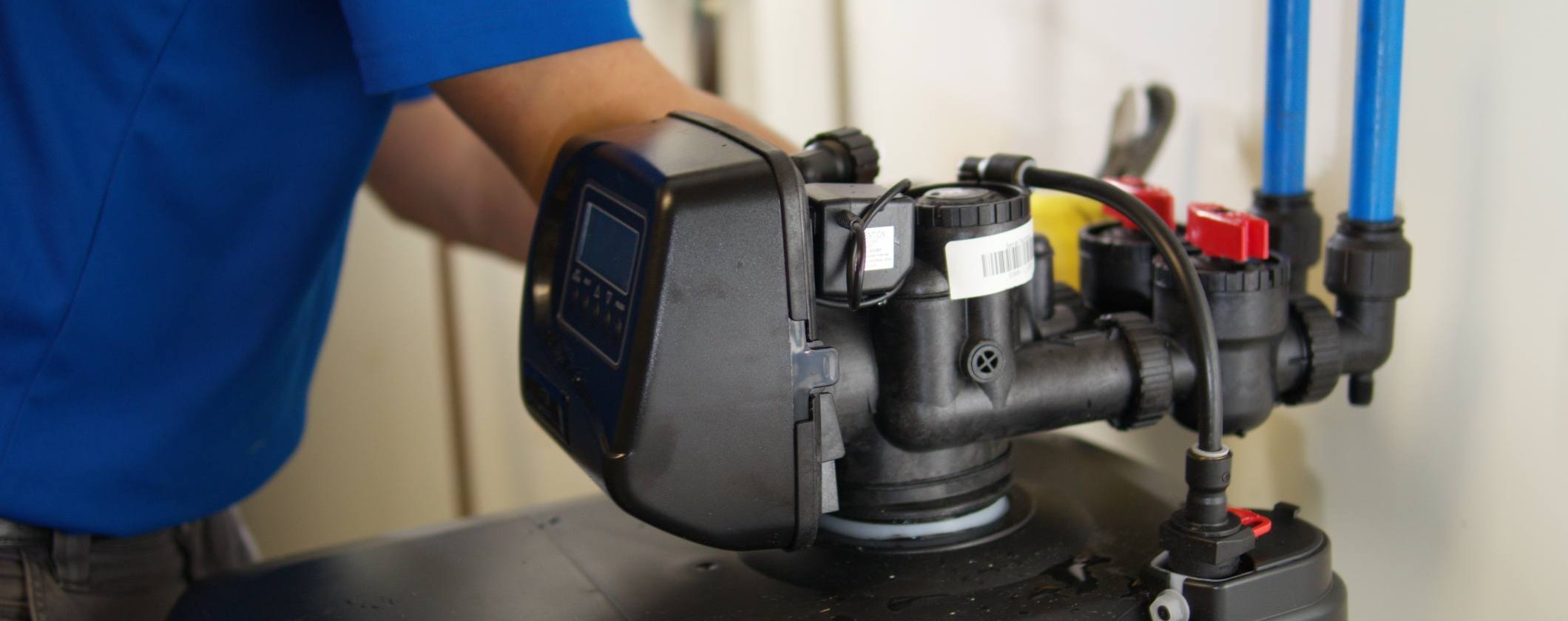
The total cost of a softener goes beyond the price on the estimate. It depends on the system type, existing plumbing, available space, and add-ons the setup requires. Together, they set the scope of the work.
The installation itself is straightforward. In other cases, installers may need to add new connections, drainage, or additional treatment components.
This guide explains how each of these factors affects the water softener installation cost. It provides the context you need to create a realistic budget for the entire project and understand what installers typically include in a standard setup.
Water softener installation price depends on the following aspects:
Water conditions, including hardness, iron levels, and sediment, can also affect installation quotes. For example, harder water may require a larger or more advanced system. Well water with iron or sediment often needs additional pre-treatment.
While every home is unique, most contractors include these essential steps to get your system fully operational from day one:
Most quotes do not include extra work, such as plumbing modifications or rerouting. They also usually exclude permits and inspections. Beyond that, installing or relocating drains and electrical connections often costs extra. Finally, the removal and disposal of old equipment are typically charged separately.
As mentioned earlier, the cost of water softener installation depends on equipment, labour, and extras. Each affects the total differently, based on your home setup and water characteristics.
| Pricing aspect | What it includes | When the cost for water softener installation increases |
|---|---|---|
Equipment | The main softener unit and its parts, like tanks, resin, and control valves. |
|
Labour | Hooking up plumbing, placing the system, testing, and making adjustments. |
|
Extras | Additional items or services beyond a basic installation, such as pre-filters, water treatment, permits, or removing old equipment. |
|
A straightforward replacement of a single-tank softener in an easily accessible basement with standard plumbing is usually the cheapest option. In contrast, installing a dual-tank system in a tight utility room with hard water raises equipment and labour costs.
The more you know about pricing structures, the easier it is to avoid unexpected costs. The following aspects usually affect the service price.
Use these considerations to compare quotes more effectively, plan for upgrades, and make choices that fit your home and budget.
The type of water softener affects both installation effort and labour costs in the following way:
The right system choice depends on how much water you use, the space you have, and how complex the installation will be.
Even a standard water softener installation can include extra items that add to the total price. Here are some of the most common:
Ask your installer about these potential extras upfront. Knowing what may be required for your home helps you compare quotes accurately.
If your plumbing is easy to access and you are comfortable with basic tools, you can save money by installing a softener yourself. However, be aware that mistakes may lead to leaks, uneven softening, or water damage. Moreover, troubleshooting takes extra time, which can add to the overall water softener cost and installation expenses.
Hiring a professional makes sense for more complex setups. In particular, systems that require new drains, rerouted pipes, electrical work, or upgrades to old plumbing are best handled by a licensed installer. Pros ensure everything meets local codes, install proper shutoffs, and keep warranties valid.
So, assess your skills and tools. If anything tricky comes up, hire a professional to protect your system and your peace of mind.
Knowing the recurring costs of a system helps you plan your budget and keep the device running efficiently. These expenses go beyond the initial cost of the water softener and installation and include materials, maintenance, and occasional professional checks.
| Item | What it is for | Why it matters |
|---|---|---|
Salt | Added regularly for traditional softeners; usage depends on water hardness and household size | Harder water requires more salt. |
Resin | Beads soften water and last several years | Essential for proper mineral removal |
Pre-filters | Trap sediment and particles before they reach the system | Allows you to keep the water clean and protect the softener |
Cleaning and checks | To ensure the system runs efficiently and lasts longer | Helps you prevent leaks or damage and maintain performance |
Minor parts and repairs | To fix small components like valves or fittings | Keeps your system operating properly and prevents bigger problems |
Thinking ahead about ongoing costs will help keep your system running smoothly and prevent any surprise expenses!
Before you commit, ask your installer these key questions to ensure you get an affordable and effective system:
Pro tip: Ask your installer for the average cost of similar installations in your area. This helps you benchmark quotes and avoid paying more.
The most reliable water softener system installation cost estimate starts with choosing a system that fits your household size and water conditions. From there, confirm what the labour covers and which add-ons affect the price.
A clear scope and the right system help prevent surprises and deliver better long-term value.


Article content
Say goodbye to hard water and enjoy softer skin, cleaner laundry, and longer-lasting appliances.
Get pure, great-tasting water by removing heavy metals and other harmful contaminants.
No more sediment, chlorine, and odours — just cleaner, fresher water in every tap in your home.
Our certified specialists will recommend the perfect solution for your home – sized for your family, your water, and your budget.
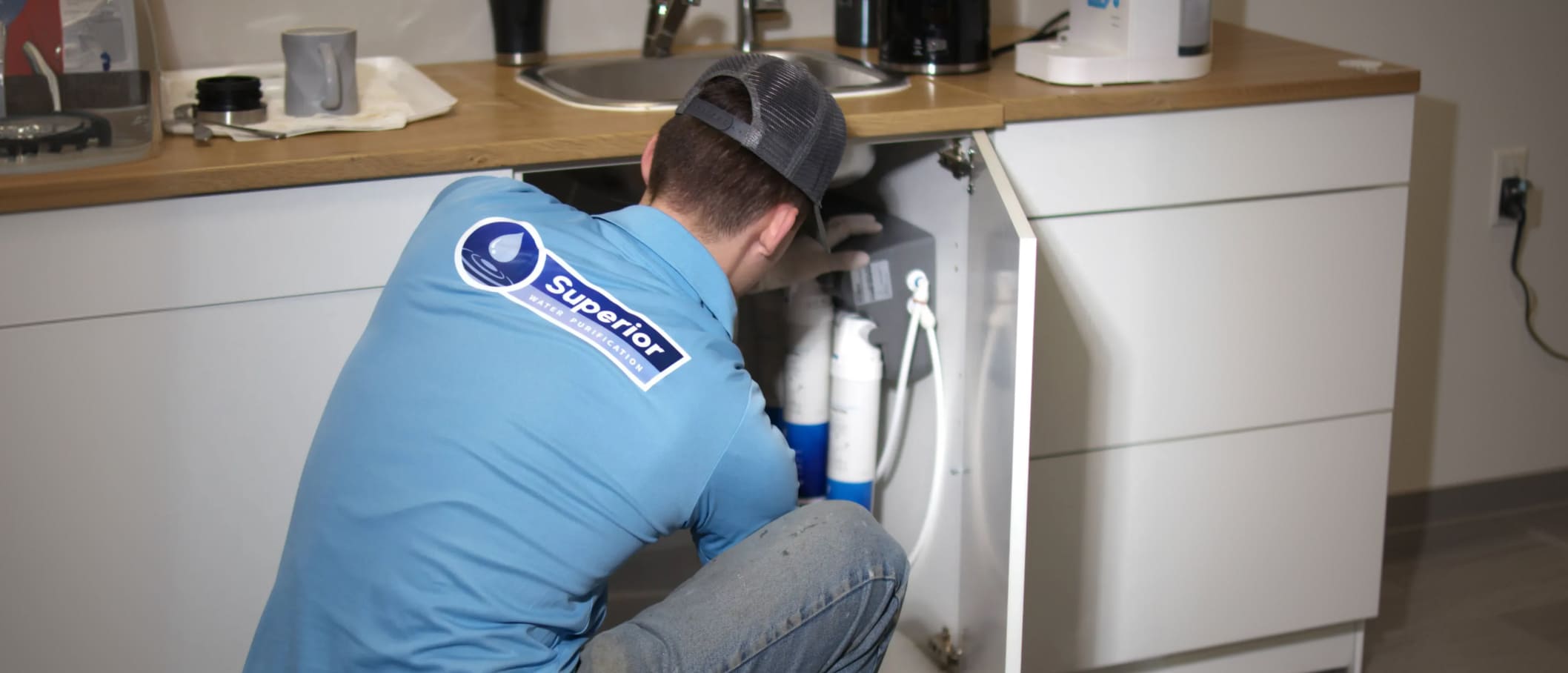
Water can carry things we don’t want to drink, like fluoride, dissolved salts, or even heavy metals. That’s why many people consider installing a reverse osmosis system. It’s one of the most effective ways to improve the taste and safety of tap water. But before you decide, it helps to know what reverse osmosis can actually do, and how to choose the right setup.
In this article, we’ll explain how RO works. You will also learn about its strengths, its limits, and how to decide if this technology is right for your home or apartment. Reverse osmosis is powerful, but it’s not magic, and understanding how it works will help you choose wisely.
Reverse osmosis is like giving your water a deep clean. It removes things you can’t see but definitely don’t want to drink, such as salts, excess minerals, and heavy metals.
Does reverse osmosis remove fluoride? Yes, it can reduce fluoride along with many other dissolved substances. Still, RO isn’t a complete solution. It cannot remove chlorine, odours, or many VOCs. That is why most reverse osmosis systems are combined with carbon filters. The carbon removes the smells and chlorine, while the RO membrane handles the dissolved contaminants. Working together, they give you fresh and safe drinking water.
Reverse osmosis is one of the best ways to clean your drinking water, removing up to 99% of the stuff you don’t want in there.
Membrane, pressure, and the concept of “semipermeability”.
Reverse osmosis works by using pressure to push water through a very fine filter called a semi‑permeable membrane. This membrane has tiny pores that let pure water molecules pass through but block most dissolved substances. Think of it as a barrier that separates clean water from unwanted contaminants.
The process is powerful enough to reduce salts, excess minerals, heavy metals, and even fluoride. No matter if you use a small under‑sink unit or a larger whole-house system, the principle is the same: the membrane traps contaminants, leaving cleaner and safer water on the other side.
A reverse osmosis system usually cleans water in several steps. First, a sediment filter catches dirt, sand, and rust. Next, a carbon filter reduces chlorine and bad tastes.
Then the RO membrane does the heavy work, removing dissolved salts, metals, fluoride, and other impurities.
Finally, a post‑carbon filter gives the water a fresh polish before it reaches your glass. Together, these stages make sure the water is not only safer but also fresh and pleasant to drink.
Removal depends on the system and the water chemistry in your home. Some contaminants are reduced easily, while others need extra filters or treatment.
Reverse osmosis lowers total dissolved solids (TDS). This means it reduces salts and extra minerals that can make water taste “hard” or leave white scales on faucets and kettles.
Does reverse osmosis remove minerals? Yes, it strips away most dissolved minerals, which is why RO water often tastes lighter and cleaner. For people dealing with hard water, this can be a big benefit, as it helps prevent buildup and improves the taste of drinking water.
One of the strongest reasons people choose RO is its ability to reduce heavy metals. Does reverse osmosis remove lead? Yes, it is widely used to lower lead levels, which is especially important in older plumbing systems. RO can also reduce arsenic (depending on its chemical form), mercury, chromium, and other metals that may be present in your well or tap water.
These metals are harmful even in small amounts, so having a membrane that blocks them is a major safety advantage. That’s why reverse osmosis is often recommended when heavy metal contamination is a concern.
Reverse osmosis is especially good at removing dissolved substances that are too small for most other filters to catch. These include nitrates and nitrites (which can be harmful if they build up) as well as fluoride and sulphate. By lowering these levels, the system makes your drinking water safer and often improves its taste, too. The key part is the RO membrane, which has tiny pores that block these invisible particles while letting clean water through.
Does reverse osmosis remove microplastics? Yes, the pores are small enough to stop most microplastics, adding extra protection. It’s important to remember that carbon filters are usually added to handle chlorine and odours, while the RO membrane focuses on dissolved contaminants. Together, they cover a wide range of problems.
Does reverse osmosis remove bacteria? Yes, thanks to their tiny pores, reverse osmosis membranes block virtually all types of bacteria, along with viruses and cysts. But here’s the important nuance: real‑world protection depends on the integrity of the system.
If seals or filters are not maintained, microbes can sneak through. For well water or areas with higher biological risk, many people add a UV light stage to kill anything that might remain. With proper care, RO becomes a reliable safeguard against microbial contamination.
While reverse osmosis is one of the most thorough filtration methods out there, it’s not a perfect solution for every single water quality issue. The semi-permeable membrane does an excellent job blocking dissolved solids, minerals, and most contaminants, but there are a few things that can still slip through.
Reverse osmosis is powerful, but it doesn’t catch everything: dissolved gases like carbon dioxide (CO₂) can slip through the membrane. That’s why RO water may sometimes taste slightly acidic. These gases don’t get trapped the way salts or metals do, so even with strong filtration, some flavours or acidity can remain. It’s a reminder that RO is excellent for many contaminants, but not a cure‑all for every water issue.
Does reverse osmosis remove chlorine? Not very well. RO membranes are easily damaged by chlorine, so they’re not designed to handle it. And that’s where carbon filters can help. Carbon prefilters do the heavy lifting against chlorine, odours, and many volatile organic compounds (VOCs). Without carbon, your RO system wouldn’t last long or taste good. Together, carbon and RO make a strong team — one tackles odours and chemicals, the other handles dissolved contaminants.
Even the best system can’t protect against poor hygiene. Storage tanks, faucets, and lines need regular cleaning and maintenance. If they’re neglected, bacteria can grow after filtration, undoing the benefits of RO. Keeping the system clean ensures that it really delivers safe, fresh water.
Not all reverse osmosis systems are the same, so it’s important to check what yours is actually certified to do. Look for NSF/ANSI certifications on the product label or manual. These standards show that the system has been tested to reduce specific contaminants, like lead, nitrates, or chlorine.
Don’t rely only on “TDS reduction”. Cutting total dissolved solids might sound impressive, but it doesn’t show which contaminants are actually removed. What really matters are the specific claims, these show exactly what the system has been tested to remove. Checking those lists gives you a clear picture of what your RO unit can actually handle.
For extra peace of mind, consider sending your tap water for a lab test, then you’ll know which contaminants matter most in your home and whether your RO system is the right fit.
When choosing the best reverse osmosis system for home, it helps to know the options. Most RO units are under‑sink systems, hidden away but delivering clean water straight to your faucet.
Some people add remineralization filters to return healthy minerals, since RO removes most of them. If your water source is a private well or has a higher biological risk, a UV stage can be added to kill microorganisms.
And for areas with strong chlorine or chemical odours, a dedicated carbon filter makes sure the water tastes fresh. The right mix depends on your needs, space, and water quality.
Keeping a reverse osmosis system in good shape is important. The pre‑filters usually need replacing every 6–12 months, while the RO membrane can last 2–5 years, depending on water quality.
Regular changes keep performance high and prevent damage. The RO process creates a stream of wastewater that carries away the trapped contaminants. Older units could waste several gallons for every gallon of clean water produced.
Modern designs are much more efficient. While there is some ongoing cost for filters and maintenance, the payoff is steady access to fresh, safe drinking water.
Reverse osmosis gives you peace of mind by removing the contaminants you can’t see, like salts, metals, and other substances. It works best as part of a complete system, where sediment and carbon filters handle particles and odours, and the RO membrane takes care of the hidden impurities.
To know exactly what your system can do, check certifications and contaminant claims. That way, you’ll be confident your water is truly clean and safe to drink!


Article content
Get pure, great-tasting water by removing heavy metals and other harmful contaminants.
No more sediment, chlorine, and odours — just cleaner, fresher water in every tap in your home.
Say goodbye to hard water and enjoy softer skin, cleaner laundry, and longer-lasting appliances.
Our certified specialists will recommend the perfect solution for your home – sized for your family, your water, and your budget.
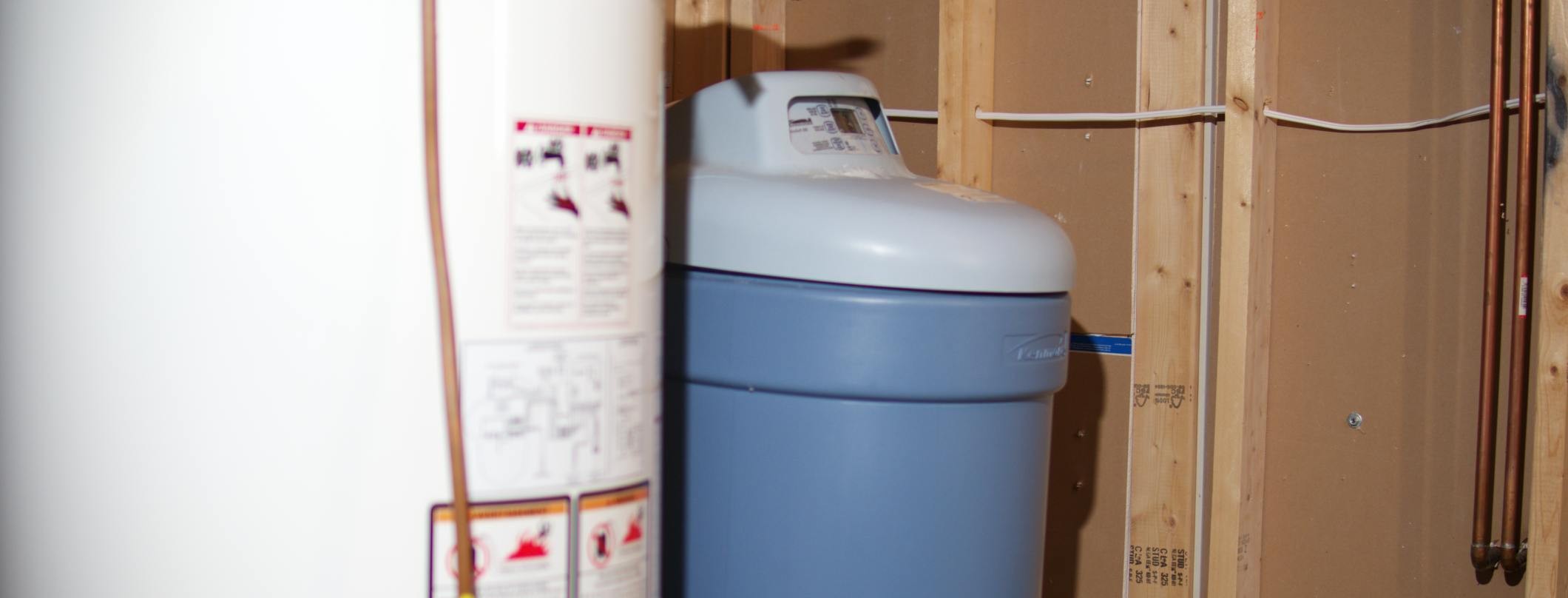
Hard water isn’t something you can enjoy. It leaves white stains on faucets, shortens the life of appliances, and even makes skin feel dry. Over time, it can also make laundry look dull and increase the cost of household maintenance. If you live in Canada and rely on city or well water, then this guide is for you.
Here we highlight house water softener systems that stand out in 2026. By “top rated,” we mean reliable systems that use less salt, come from trusted brands, and deliver lasting value by keeping your water soft, protecting your home, and saving you money year after year.
Choosing the right water softener can feel overwhelming, so we’ve made it simple. Below is a quick overview of the top picks for Canadian homes, highlighting what each system offers in terms of performance, size, and value.
| System | Best For | Type | Grain Capacity | Flow Rate | Warranty | Price |
|---|---|---|---|---|---|---|
Whirlpool WHES40 | Who wants a compact unit that fits in a tight corner | Salt-Based (Cabinet) | 40,000 | 9 GPM | 1yr (Full) / 10yr (Tank) | $740 – $950 |
GE SmartSoft GXSH45V | Average families who want a “smart” appliance | Salt-Based (Cabinet) | 45,100 | 12 GPM | 1yr (Full) / 10yr (Tank) | $850 – $1,150 |
Fleck 5600SXT | Who wants a reliable softener that is easy to fix | Salt-Based (Two-Piece) | 32k – 64k (depends on tank size) | 7-20 GPM | 5yr (Valve) / 10yr (Tank) | $800 – $1,500 |
SpringWell SS1 | Who has a small–medium home and wants a system with a lifetime warranty | Salt-Based (Two-Piece) | 32k | 11 GPM | Lifetime | $1,500 – $1,700 |
When putting together this list of the best water softener systems, we focused on what matters most to homeowners. We looked at performance, how efficiently each unit uses salt and water, whether it keeps a steady flow, and how durable it is over time. Warranty and customer service also played a big role, along with real feedback from owners who use these systems every day.
At the same time, we avoided red flags like undersized units, unclear certifications, or inflated claims. The result is a guide to top-rated water softener systems that are practical, reliable, and truly the best-rated options for Canadian homes.
Best for small to medium-sized families who want a compact, reliable water softener without constant upkeep.
Why is it top-rated? The Whirlpool WHES40 is popular because it balances power and convenience. It features Demand-Initiated Regeneration, meaning it only cleans itself when necessary based on your actual water usage, saving you both salt and water. With a 40,000‑grain capacity, it handles tough hard water while keeping showers, laundry, and dishes feeling fresh and clean.
Key specs:
Pros / Cons:
+ Relatively compact size
+ Excellent mineral and iron removal for its size
– Not designed for heavy commercial use
– Requires regular salt refills and basic upkeep.
Who should buy it? Those who want a dependable, easy‑to‑manage softener that keeps water soft and appliances protected. It’s a perfect choice for everyday use, offering great value without complicated maintenance.
Best for larger residential households that use a lot of water and want strong, reliable softening.
Why is it top-rated? This GE model uses SmartSoft technology, which learns your water habits and regenerates only when needed, saving salt and water. It easily handles tough, hard water and keeps showers, laundry, and dishes at their best.
Key specs:
Pros / Cons:
+ Large salt storage tank for fewer refills
+ Easy installation and setup
– Bigger unit, so it may be harder to fit in a tight space
– Higher upfront cost compared to smaller softeners
Who should buy it? Families who want one of the best home water softener systems with advanced features and strong performance. It’s ideal for larger homes with high water demand and where convenience matters.
Best for families who want water softener systems for whole-house use, with reliable performance and easy digital controls
Why is it top-rated? This system is praised for its durable design and dependable digital metered control head that regenerates based on actual water use. It also features a user-friendly LCD display and programmable settings, and the resin tank is built for long-term use.
Key specs:
Pros / Cons:
+ Effectively removes hard water minerals
+ Durable design and long-lasting materials
– It looks more like “equipment” than a sleek appliance.
– It requires more manual programming than “out of the box” smart units.
Who should buy it? Homeowners with medium to large households who want a dependable, whole-house solution to protect plumbing, appliances, and improve water quality.
Best for families that want a modern softener with strong performance, a lifetime warranty and simple upkeep.
Why is it top-rated? The SpringWell SS1 is a “pro-grade” system, and its standout feature is the Bluetooth-connected Legacy View app, which allows you to monitor your water usage, adjust settings, and start a regeneration cycle right from your smartphone. It also uses a high-grade 10% cross-link resin, which lasts much longer than the standard resin found in budget models.
Key specs:
Pros / Cons:
+ High flow capacity – up to 11 gallons per minute
+ Smart regeneration system (calculates usage and regenerates only when needed)
– Takes up more space because it’s a whole-house system with both resin and brine tanks.
– Needs professional installation for best performance.
Who should buy it? It’s a good fit for families who use multiple taps at once and are ready to invest in reliable protection for plumbing and appliances.
For households across Canada, reliability and ease of use matter most. The GE SmartSoft GXSH45V has become a favourite because it balances performance with convenience. Its salt‑saving technology helps families cut down on ongoing costs, while the customizable blending valve lets you choose exactly how soft you want your water. That means you can keep appliances safe from scale while still enjoying water that tastes good.
With a large capacity, it’s well-suited for busy homes where laundry, showers, and dishwashing all happen at once. Canadian families also appreciate its durability in cold climates and hard‑water regions. If you’re searching for one of the best water softener systems for the home, this model is a perfect choice.
Canadian families also value its durability, long-lasting components, and lifetime warranty. If you’re searching for one of the best water softener systems for home, the GE SmartSoft GXSH45V is a top pick.
When dealing with well water, hardness is only part of the challenge. Iron and manganese often sneak in, leaving stains on sinks and laundry.
The Fleck 5600SXT On-Demand Water Softener with Resin is a leading residential softening system because of its reliable digital controls and metered regeneration, which only regenerates the resin based on actual water use. Its strong resin options and adjustable settings make it a solid choice for rural households with hard water.
For best results with well water that contains iron or sediment, many homeowners pair the softener with a pre‑filtration system (such as a sediment or iron filter) to remove larger particles and protect the softener resin. This combination ensures cleaner water, longer resin life, and fewer maintenance headaches.
With its ability to tackle tough water, this model is a good solution for families who want peace of mind and protection against the challenges of well water.
Large households with multiple bathrooms know the frustration of losing water pressure when everyone’s using taps at once. The SpringWell SS1 can solve that problem.
With a flow rate of up to 11 gallons per minute, it keeps shower pressure strong and appliances running smoothly even during peak demand. Its smart regeneration system saves salt and water while still giving you a steady supply of soft water.
It’s built with a high-grade 10% cross-link resin designed to last for many years, even with heavy use. Families in larger homes choose it because it can handle several bathrooms running at the same time without losing water pressure — a problem that smaller systems often have.
If you need a softener that won’t let water pressure drop during busy mornings or family gatherings, this system is a top choice.
The Whirlpool WHES40 is a practical choice for families who want the benefits of soft water without stretching their budget. With a 40,000‑grain capacity, it can handle everyday tasks like laundry, showers, and dishwashing with ease.
One of its highlights is demand‑initiated regeneration, which means the system only cleans itself when necessary. This smart feature helps save both salt and water, keeping running costs lower.
This model also includes a handy low‑salt indicator, so you’ll know exactly when it’s time to refill, making maintenance simple. While it doesn’t offer the advanced digital controls or high‑flow performance of premium models, it delivers reliable soft water at an affordable price.
Choosing the right size is simple: think about the number of people in your home, how much water you use, and how hard your water is. Multiply these factors together to get the right grain capacity.
To find your perfect match, you need to calculate your weekly grain requirement. While a small family with light water use may only need a 24,000-grain unit, a larger household with high demand and very hard water will typically require a 48,000 to 64,000-grain system.
Flow rate decides how strong your water pressure feels. If two or three showers, a tub, and the laundry are running at once, you’ll need a higher‑flow system. Without it, water pressure can drop. A high‑flow softener makes sure your home has steady pressure even during busy times.
Salt‑based softeners remove hardness minerals, giving truly soft water. Salt‑free systems only change how minerals behave, so scale doesn’t stick to pipes and appliances.
Salt‑free units are easier to maintain and eco‑friendly, but they won’t make water “soft” in the traditional sense.
City water usually needs a softener only. Well water often requires a combo: filtration to remove iron or sediment, plus a softener to handle hardness.
The right choice depends on your home size, water type, and how much convenience you want.
Budget Systems
Small softeners or shower filters start around $150–$400. They are good for light use or single bathrooms.
Mid‑Range Systems
Most family‑size softeners cost $750–$1,400. They handle everyday needs and give steady, soft water without breaking the bank.
Premium Systems
Large, high‑flow units with smart features or iron removal can cost $1,500–$3,000. These are built for big homes or tough water problems.
Salt‑based systems need regular salt refills, usually $8–$15 per month, plus small maintenance like filter changes. Salt‑free systems skip the salt but may need new cartridges once or twice a year.
Some water softener systems can be installed as a DIY project if you’re handy, but many families prefer hiring a pro to save time and avoid mistakes.
Once installed, check the regen settings so the system regenerates at the right time, keep an eye on the salt level in the tank, clean the brine tank often to prevent buildup, and make sure the drain line is clear.
Specific maintenance requirements depend on your model, since different types of units may have unique needs, but these basics will keep your water softener in good shape.
We’ve looked at four options: the GE SmartSoft GXSH45V as the best pick for Canadian families, the Fleck 5600SXT for tackling the challenges of well water, the SpringWell SS1 as the high‑flow solution for large homes, and the Whirlpool WHES40 as the budget‑friendly option.
Each system has its unique benefits, but the best choice depends on your home and water needs. Always test your hardness first, then size correctly. This ensures a steady flow, protects appliances, and gives you the comfort of soft water.


Article content
Say goodbye to hard water and enjoy softer skin, cleaner laundry, and longer-lasting appliances.
No more sediment, chlorine, and odours — just cleaner, fresher water in every tap in your home.
Get pure, great-tasting water by removing heavy metals and other harmful contaminants.
Our certified specialists will recommend the perfect solution for your home – sized for your family, your water, and your budget.
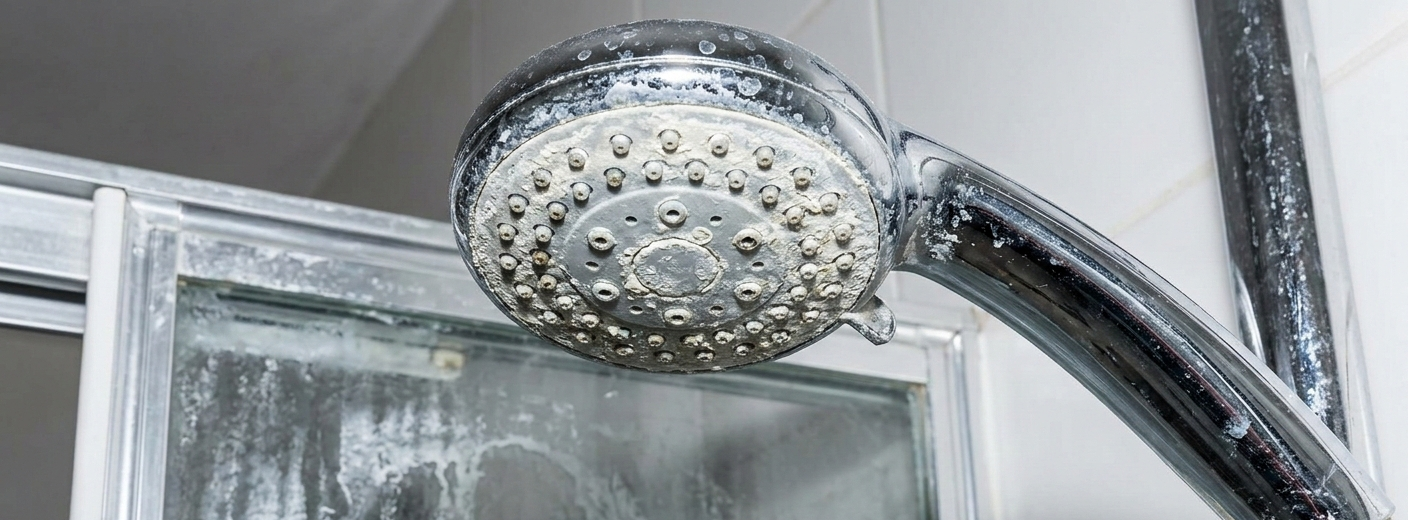
Water hardness is the measure of how much calcium and magnesium are present in your tap water. The higher the concentration, the “harder” the water is. Experts classify hardness into levels: soft, moderately hard, hard, and very hard. Hard water leaves behind mineral deposits that can build up in pipes, appliances, and even on your skin.
In Ontario, and especially in Mississauga, hard water is a common issue because of the natural mineral content in the local water supply. Thus, you may notice spots on dishes, reduced washing machine efficiency, and faster wear on plumbing systems. Over time, these deposits can shorten the lifespan of appliances and increase household maintenance costs.
But how to fix water hardness? In this article, you’ll learn practical solutions that will help you protect your plumbing, extend the life of your household appliances, and even improve the condition of your skin and hair.
Hard water doesn’t just leave spots on dishes — it affects plumbing, appliances, and even your skin and hair. Here’s how:
Limescale buildup. Minerals in hard water form deposits on heating elements in washing machines, dishwashers, and water heaters. This reduces efficiency and shortens appliance lifespan. In severe cases, limescale can even cause appliances to break down completely, leading to expensive replacements.
Blockages in pipes and faucets. Over time, deposits narrow water passages, causing low pressure, clogs, and costly plumbing repairs. These blockages can also increase energy use, as pumps and heaters must work harder to push water through restricted pipes.
Soap and shampoo issues. Hard water makes it difficult to create foam, so cleaning takes more effort and more product. Residue left on the skin can feel sticky, and hair can look heavy or flat.
Dry skin and hair. Minerals remove natural oils, leaving your skin irritated and hair dull or brittle. This often gets worse in winter when dry air mixes with hard water, making it even more uncomfortable.
Stains on dishes and glass. After washing, you may see white spots and streaks caused by mineral deposits left after the water evaporates. These stains can be stubborn and often require repeated scrubbing or special cleaning agents to remove.

Not every homeowner is ready to invest in a full water softening system. Luckily, there are simple and affordable ways to soften hard water. These methods don’t solve the problem completely, but they can make your life easier and protect your appliances in the short term.
Vinegar and citric acid. One of the easiest ways to remove limescale is by using household acids. For example, vinegar or citric acid can dissolve mineral deposits in kettles, coffee makers, or shower heads. Use it regularly to prevent buildup and keep appliances working more efficiently.
Chelating detergents. These products contain agents that bind calcium and magnesium ions, stopping them from reacting with soap. Clothes come out cleaner, feel softer, and have fewer residues. They are an easy way to improve water quality without changing your whole system.
Shower softeners. If you wonder how to soften water in shower quickly, then shower heads with built-in filters are a practical option. They reduce mineral content slightly, making water gentler on skin and hair. Even though they’re not super effective, they can make things way more comfortable, especially in places with really hard water.
How it works. This system uses a tank filled with small resin beads. When hard water flows through the tank, the beads capture calcium and magnesium — the minerals that cause hardness — and replace them with sodium. This process is called ion exchange. The result is soft water that is much gentler on your home and skin.
Regeneration. Over time, the resin beads get full of calcium and magnesium. To clean them, the system runs a backwash cycle using salty water (called brine). The salt pushes the minerals off the beads and flushes them out through a drain. After this, the beads are ready to soften water again.
Pros. This is one of the most effective options for people who want to learn how to soften water at home completely. It works well even in areas with very hard water and helps protect appliances, plumbing, and skin.
Cons. To keep working, the system needs regular salt refills. It also adds a small amount of sodium to your water and must be connected to a drain. If you’re wondering how to soften hard water for your whole home, this system is a powerful long-term solution.
How it works. TAC systems don’t remove hardness minerals like calcium and magnesium. Instead, they change their form. As water flows through the system, special beads turn these minerals into tiny crystals. These crystals remain in the water but don’t stick to surfaces, which means they can’t create limescale.
Pros. TAC systems are easy to maintain, require no salt, and don’t add sodium to your water. They’re also more environmentally friendly since they don’t need a drain or regular cleaning cycles.
Cons. It’s important to know that TAC doesn’t actually remove hardness minerals. So, it doesn’t soften water in the traditional sense. Instead, it prevents scale buildup. These systems can also be more expensive than basic softeners.
If you’re considering how to make hard water soft without using salt, TAC is a smart alternative. It won’t change how water feels on your skin, but it will protect your pipes and appliances.
How it works. Reverse osmosis uses a special membrane that works like a super-fine filter. When water goes through this membrane, it gets rid of almost all particles, including calcium, magnesium, and even the tiniest impurities. The result is super-clean water.
Application. RO systems are designed for drinking water only. They are usually installed under the kitchen sink and provide clean water through a separate faucet. This is called a Point‑of‑Use system. Unlike whole‑house softeners (Point‑of‑Entry), RO is not practical for the entire home because it works slowly and produces limited amounts of water.
Pros. The biggest advantage of RO is perfect purification — it delivers some of the cleanest water you can drink, and improves the taste and odour of your water.
Cons. The main disadvantage of RO is that the process is slow, requires a drain connection, and removes beneficial minerals such as calcium and magnesium. You may need to supplement these minerals through diet or a separate remineralization system.
For homeowners asking how to get soft water for drinking, RO is an excellent choice, but it should be combined with other systems if you want to protect plumbing and appliances in the house.

Water testing. Before choosing the system, it’s important to know exactly how hard your water is. You can submit a sample to a local lab, use simple test strips at home or contact a local water treatment company. Thus, you will know your water’s hardness level and determine what softens water most effectively.
System selection. The right choice depends on several factors: the size of your house, how much water your family uses, your budget, and whether you’re ready to handle regular maintenance like adding salt. Larger homes with high water use often need stronger systems, while smaller households may do fine with simpler options.
Installation. When choosing a contractor, look for someone with experience in water treatment systems, not just general plumbing. Ask for references, check reviews, and make sure they are familiar with local building codes. For ion exchange softeners, professional installation is highly recommended.
Tip for condominiums:
Apartments usually don’t have space for large tanks or drainage lines. In these cases, under‑sink filters, magnetic devices, or TAC systems are often the only practical solutions. They don’t remove hardness completely, but help manage scale.
Soft water makes everyday life easier and saves you money in the long run. It reduces mineral buildup, helps appliances last longer and boosts the efficiency of water heaters by around 20%. You will notice healthier skin and hair, and spend less on soap and detergents because they work better in soft water. Knowing how to make water soft is the key to protecting your home and enjoying these benefits.
Start with a simple water test, then contact Superior Water Purification to install or service a reliable water softener that fits your needs!


Article content
No more sediment, chlorine, and odours — just cleaner, fresher water in every tap in your home.
Get pure, great-tasting water by removing heavy metals and other harmful contaminants.
Say goodbye to hard water and enjoy softer skin, cleaner laundry, and longer-lasting appliances.
Our certified specialists will recommend the perfect solution for your home – sized for your family, your water, and your budget.