Distilled Water vs Reverse Osmosis: Benefits, Differences & Best Choice
When comparing distilled water vs reverse osmosis for drinking, cooking, or appliances like humidifiers, many homeowners struggle to choose what’s best for their needs. Both methods promise cleaner water than tap, but they work differently and deliver different results. So which one is best for you? It depends on what your priorities are: taste, ultra-low levels of minerals, or the safety of your home appliances.
We will keep it as simple as possible for you and explain how each process works, which contaminants are removed, how they affect taste and minerals, and what to expect in terms of convenience, cost, and maintenance.
By the end of this article, you’ll know which option – reverse osmosis vs distilled water, or a combination – is best for you.

Here’s the bottom line: the choice between reverse osmosis water vs distilled water is usually about convenience and purpose. RO water is perfect for daily drinking because you get filtered water on demand, and the system removes a wide range of contaminants. Whereas distilled water is extremely low in minerals and great for specific uses such as sensitive appliances or laboratory-style purity.
The “best” choice depends on your needs. For everyday drinking, RO usually wins. For appliances or medical devices that demand very low minerals, distilled water is the better option.
That’s what you need to know before we delve into the comparison of reverse osmosis vs distilled water for drinking.
Distillation is simple and reliable. You boil water, capture the steam, and condense it back into liquid, leaving almost all dissolved solids behind.
Distilled water is almost completely free of minerals and contaminants, which is why some people prefer it for devices sensitive to scale or residue.
Reverse osmosis is quite different. It pushes water under pressure through a semi-permeable membrane, separating clean water from dissolved salts and contaminants. Most RO systems include sediment and carbon pre-filters to protect the membrane and improve taste.
RO systems are convenient for households that use water frequently for drinking and cooking.


When you distill water, you’re essentially starting from scratch and rebuilding it from steam. That’s why distilled water has a reputation for being “ultra-pure.” It does an excellent job of leaving most contaminants behind, but that same process also strips out everything else, including minerals that affect taste. Here’s what distillation typically removes:
Keep in mind:
Volatile compounds such as certain solvents or low-boiling VOCs can carry over unless there’s proper venting or a post-carbon filter. Such water is extremely low in minerals, which can taste flat compared to RO or tap water.
Distilled water is ideal when purity is the priority, whether for sensitive appliances or lab use.
Reverse osmosis works a bit differently. It’s especially effective for everyday drinking water, where you want strong contaminant reduction without ending up with completely mineral-free water. Here’s what a typical RO system removes:
Dissolved salts and minerals: sodium, calcium, magnesium
Heavy metals: lead, chromium, arsenic (depending on the membrane)
Fluoride and nitrates: if you have the right system
Taste-affecting chemicals: chlorine, organics, and some VOCs via carbon pre-filters
Keep this in mind:
The results you get depend heavily on how the system is built, the quality of the filters, and whether you maintain it. Many systems also include a remineralization stage, which adds a small amount of minerals to the water so it doesn’t taste flat.
When everything is set up and maintained properly, RO gives you a very practical balance of good taste, everyday convenience, and reliable safety for drinking water.
Once we move past the technical side, the real differences show up in everyday use. This is where you’ll actually feel the contrast between distilled water and RO: how the water tastes, how it feels when you drink it, and how comfortable it is to live with day after day. Taste is usually the first thing people notice, so let’s start there.
For busy households, RO is usually easier to integrate into daily routines.
Consider your household’s daily water needs and energy use when choosing.
When you look at cost, it’s not just about the price tag, it’s also about time, effort, and ongoing expenses.
RO usually costs more at the beginning, but it saves you time and effort every day. On the other hand, distillation seems cheaper at first but requires more energy and maintenance.
The “best” option really depends on how you plan to use the water day to day. What works perfectly for drinking and cooking might be inconvenient for appliances, travel, or occasional backup use. With that in mind, here’s how distilled water and RO usually fit into real-world scenarios.

Even when you compare reverse osmosis vs distilled water, it’s important to understand that neither method is completely foolproof on its own. To ensure safe and reliable water, you often need pre-filters and extra protection to deal with specific risks.
No matter which option you choose, clean water doesn’t come from the system alone, and its quality depends on how well you take care of it. Here’s what you should pay attention to:
Keeping up with maintenance protects your family’s water quality and extends the life of your equipment.
For most households, RO is the best for drinking water: convenient, continuous, and broadly effective at removing contaminants.
Distilled water excels in specialized situations, like protecting appliances or achieving ultra-low mineral content.
Pick the best option based on your water source, your goals, and how much maintenance you are willing to do.


Article content

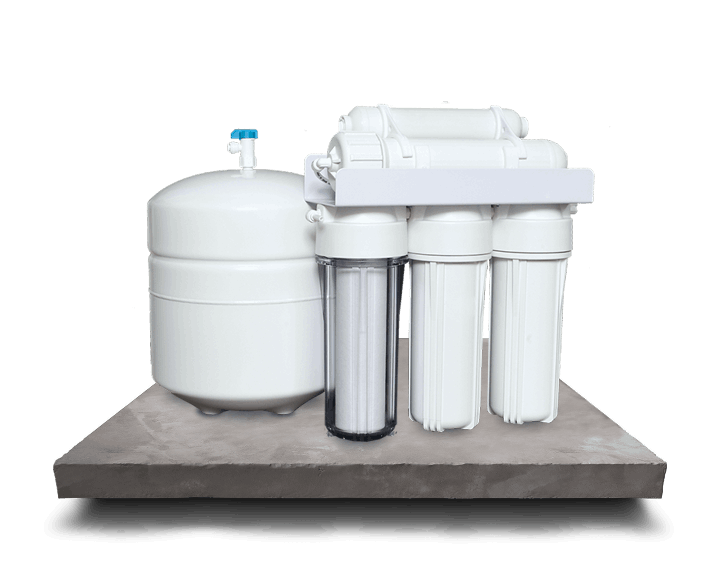
Get pure, great-tasting water by removing heavy metals and other harmful contaminants.
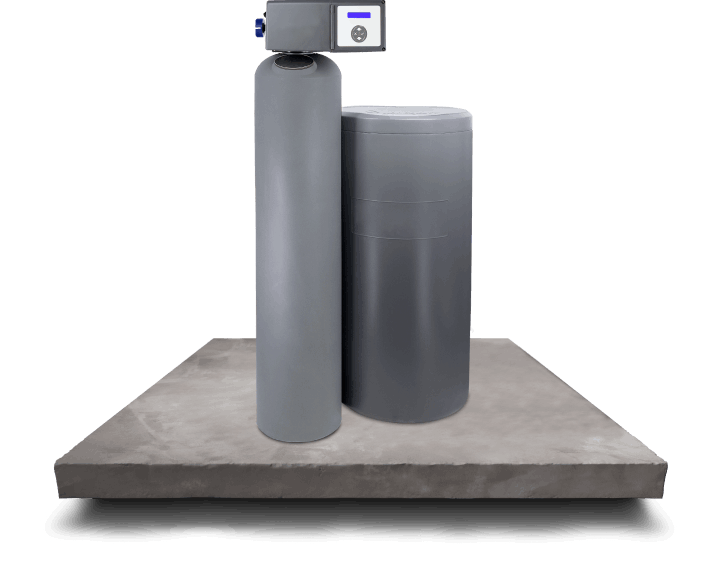
No more sediment, chlorine, and odours — just cleaner, fresher water in every tap in your home.
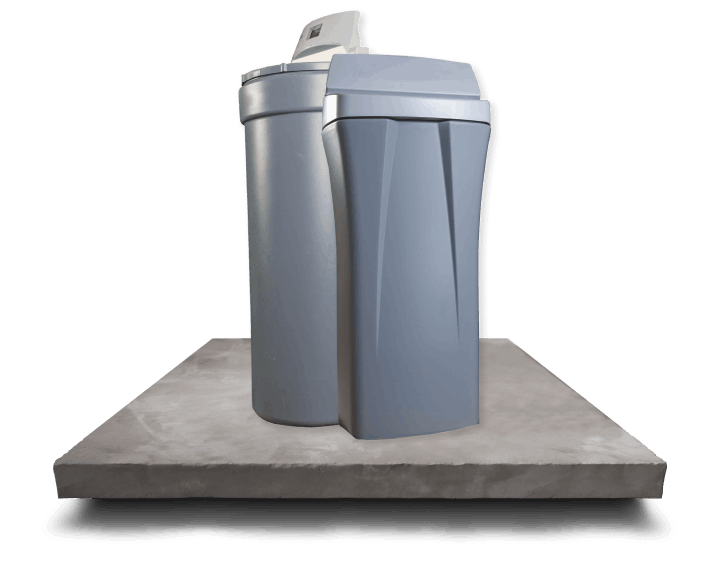
Say goodbye to hard water and enjoy softer skin, cleaner laundry, and longer-lasting appliances.
Our certified specialists will recommend the perfect solution for your home – sized for your family, your water, and your budget.

