What Is Water Hardness, And Why Is It Important To Reduce It?
Water hardness is the measure of how much calcium and magnesium are present in your tap water. The higher the concentration, the “harder” the water is. Experts classify hardness into levels: soft, moderately hard, hard, and very hard. Hard water leaves behind mineral deposits that can build up in pipes, appliances, and even on your skin.
In Ontario, and especially in Mississauga, hard water is a common issue because of the natural mineral content in the local water supply. Thus, you may notice spots on dishes, reduced washing machine efficiency, and faster wear on plumbing systems. Over time, these deposits can shorten the lifespan of appliances and increase household maintenance costs.
But how to fix water hardness? In this article, you’ll learn practical solutions that will help you protect your plumbing, extend the life of your household appliances, and even improve the condition of your skin and hair.
How Hard Water Affects Your Home and Life
Hard water doesn’t just leave spots on dishes — it affects plumbing, appliances, and even your skin and hair. Here’s how:
Plumbing and household appliances
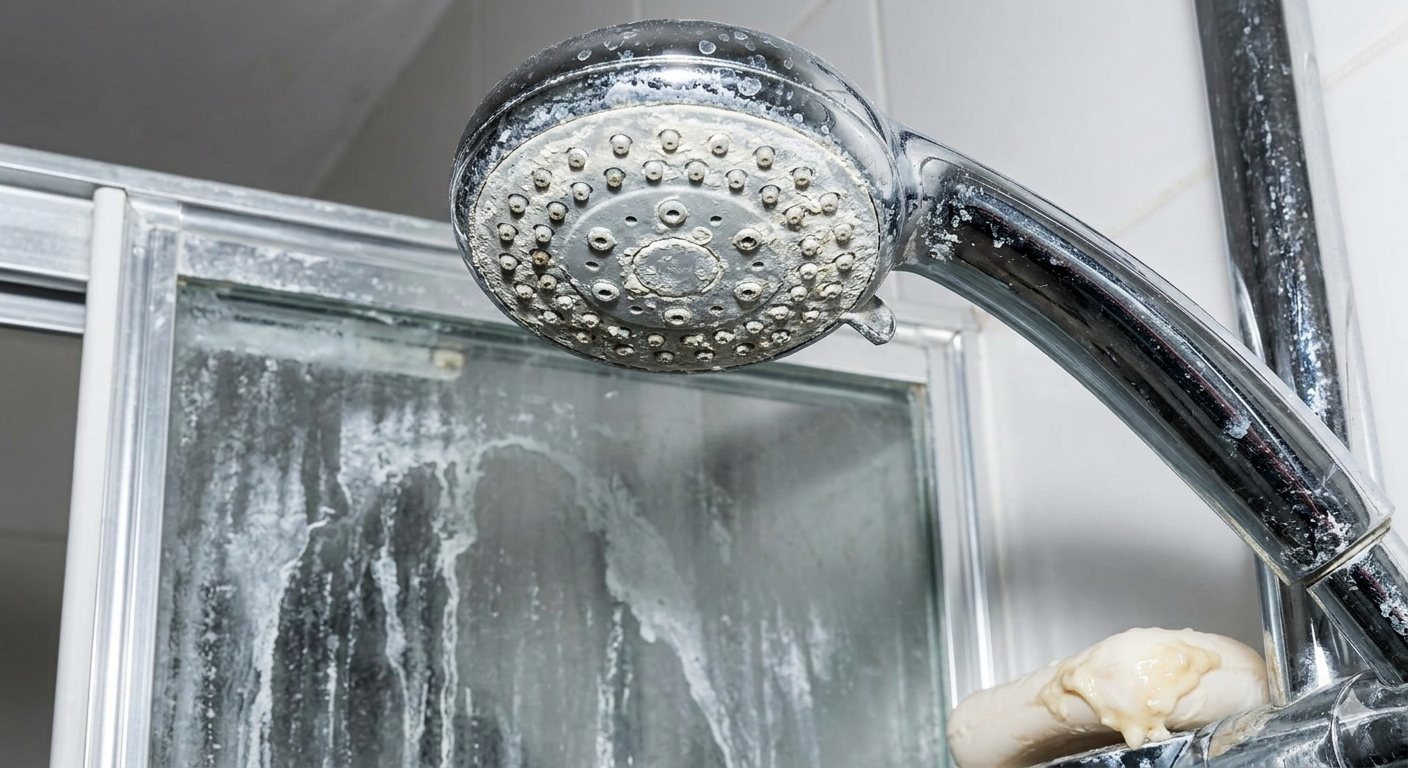
Limescale buildup. Minerals in hard water form deposits on heating elements in washing machines, dishwashers, and water heaters. This reduces efficiency and shortens appliance lifespan. In severe cases, limescale can even cause appliances to break down completely, leading to expensive replacements.
Blockages in pipes and faucets. Over time, deposits narrow water passages, causing low pressure, clogs, and costly plumbing repairs. These blockages can also increase energy use, as pumps and heaters must work harder to push water through restricted pipes.
Personal hygiene and cleanliness
Soap and shampoo issues. Hard water makes it difficult to create foam, so cleaning takes more effort and more product. Residue left on the skin can feel sticky, and hair can look heavy or flat.
Dry skin and hair. Minerals remove natural oils, leaving your skin irritated and hair dull or brittle. This often gets worse in winter when dry air mixes with hard water, making it even more uncomfortable.
Stains on dishes and glass. After washing, you may see white spots and streaks caused by mineral deposits left after the water evaporates. These stains can be stubborn and often require repeated scrubbing or special cleaning agents to remove.

Temporary Cost-Effective Solutions for Softening Hard Water
Not every homeowner is ready to invest in a full water softening system. Luckily, there are simple and affordable ways to soften hard water. These methods don’t solve the problem completely, but they can make your life easier and protect your appliances in the short term.
Vinegar and citric acid. One of the easiest ways to remove limescale is by using household acids. For example, vinegar or citric acid can dissolve mineral deposits in kettles, coffee makers, or shower heads. Use it regularly to prevent buildup and keep appliances working more efficiently.
Chelating detergents. These products contain agents that bind calcium and magnesium ions, stopping them from reacting with soap. Clothes come out cleaner, feel softer, and have fewer residues. They are an easy way to improve water quality without changing your whole system.
Shower softeners. If you wonder how to soften water in shower quickly, then shower heads with built-in filters are a practical option. They reduce mineral content slightly, making water gentler on skin and hair. Even though they’re not super effective, they can make things way more comfortable, especially in places with really hard water.
Effective Long-Term Solutions To Reduce Water Hardness
Ion Exchange Water Softener
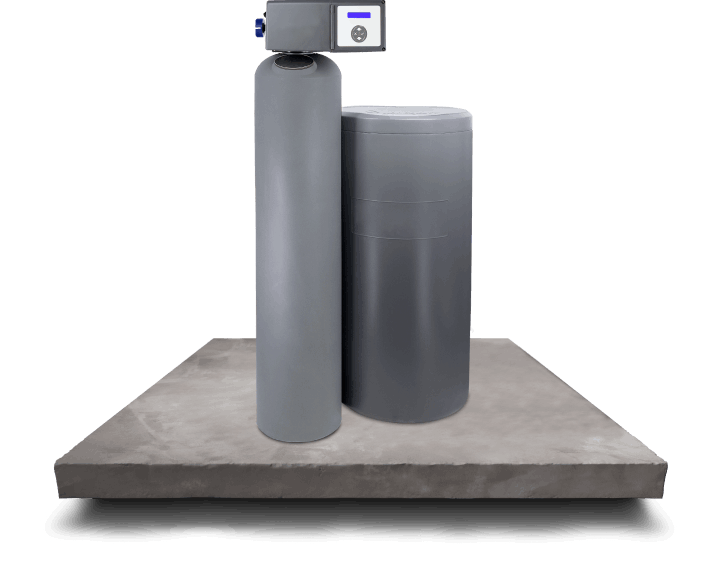
How it works. This system uses a tank filled with small resin beads. When hard water flows through the tank, the beads capture calcium and magnesium — the minerals that cause hardness — and replace them with sodium. This process is called ion exchange. The result is soft water that is much gentler on your home and skin.
Regeneration. Over time, the resin beads get full of calcium and magnesium. To clean them, the system runs a backwash cycle using salty water (called brine). The salt pushes the minerals off the beads and flushes them out through a drain. After this, the beads are ready to soften water again.
Pros. This is one of the most effective options for people who want to learn how to soften water at home completely. It works well even in areas with very hard water and helps protect appliances, plumbing, and skin.
Cons. To keep working, the system needs regular salt refills. It also adds a small amount of sodium to your water and must be connected to a drain. If you’re wondering how to soften hard water for your whole home, this system is a powerful long-term solution.
Salt-Free/Template Assisted Crystallization – TAC
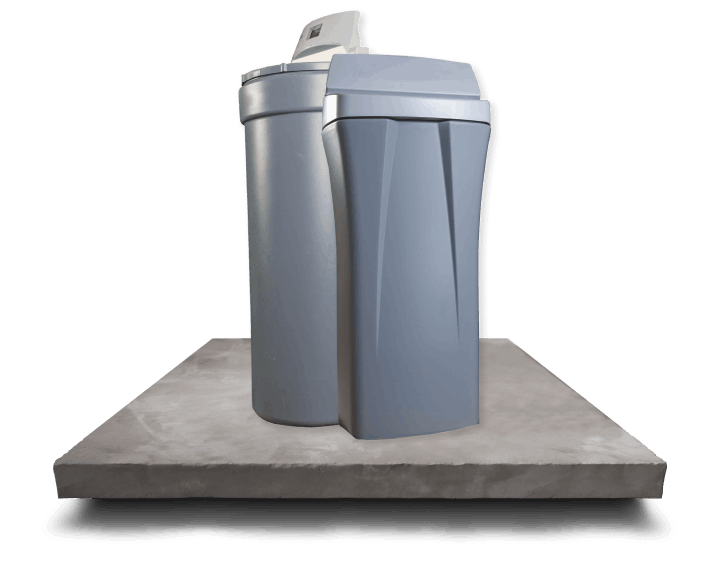
How it works. TAC systems don’t remove hardness minerals like calcium and magnesium. Instead, they change their form. As water flows through the system, special beads turn these minerals into tiny crystals. These crystals remain in the water but don’t stick to surfaces, which means they can’t create limescale.
Pros. TAC systems are easy to maintain, require no salt, and don’t add sodium to your water. They’re also more environmentally friendly since they don’t need a drain or regular cleaning cycles.
Cons. It’s important to know that TAC doesn’t actually remove hardness minerals. So, it doesn’t soften water in the traditional sense. Instead, it prevents scale buildup. These systems can also be more expensive than basic softeners.
If you’re considering how to make hard water soft without using salt, TAC is a smart alternative. It won’t change how water feels on your skin, but it will protect your pipes and appliances.
Reverse Osmosis – RO
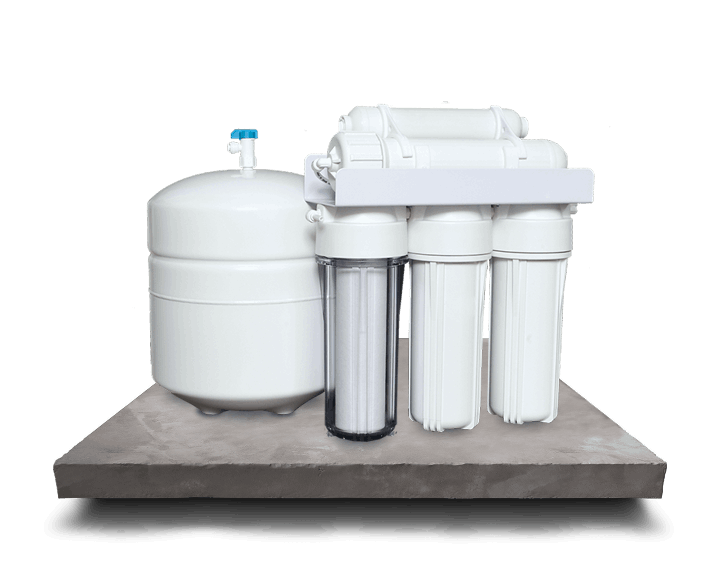
How it works. Reverse osmosis uses a special membrane that works like a super-fine filter. When water goes through this membrane, it gets rid of almost all particles, including calcium, magnesium, and even the tiniest impurities. The result is super-clean water.
Application. RO systems are designed for drinking water only. They are usually installed under the kitchen sink and provide clean water through a separate faucet. This is called a Point‑of‑Use system. Unlike whole‑house softeners (Point‑of‑Entry), RO is not practical for the entire home because it works slowly and produces limited amounts of water.
Pros. The biggest advantage of RO is perfect purification — it delivers some of the cleanest water you can drink, and improves the taste and odour of your water.
Cons. The main disadvantage of RO is that the process is slow, requires a drain connection, and removes beneficial minerals such as calcium and magnesium. You may need to supplement these minerals through diet or a separate remineralization system.
For homeowners asking how to get soft water for drinking, RO is an excellent choice, but it should be combined with other systems if you want to protect plumbing and appliances in the house.

How to Choose and Install the Right Water System for Your Home
Water testing. Before choosing the system, it’s important to know exactly how hard your water is. You can submit a sample to a local lab, use simple test strips at home or contact a local water treatment company. Thus, you will know your water’s hardness level and determine what softens water most effectively.
System selection. The right choice depends on several factors: the size of your house, how much water your family uses, your budget, and whether you’re ready to handle regular maintenance like adding salt. Larger homes with high water use often need stronger systems, while smaller households may do fine with simpler options.
Installation. When choosing a contractor, look for someone with experience in water treatment systems, not just general plumbing. Ask for references, check reviews, and make sure they are familiar with local building codes. For ion exchange softeners, professional installation is highly recommended.
Tip for condominiums:
Apartments usually don’t have space for large tanks or drainage lines. In these cases, under‑sink filters, magnetic devices, or TAC systems are often the only practical solutions. They don’t remove hardness completely, but help manage scale.
What Are The Benefits Of Soft Water?
Soft water makes everyday life easier and saves you money in the long run. It reduces mineral buildup, helps appliances last longer and boosts the efficiency of water heaters by around 20%. You will notice healthier skin and hair, and spend less on soap and detergents because they work better in soft water. Knowing how to make water soft is the key to protecting your home and enjoying these benefits.
Start with a simple water test, then contact Superior Water Purification to install or service a reliable water softener that fits your needs!