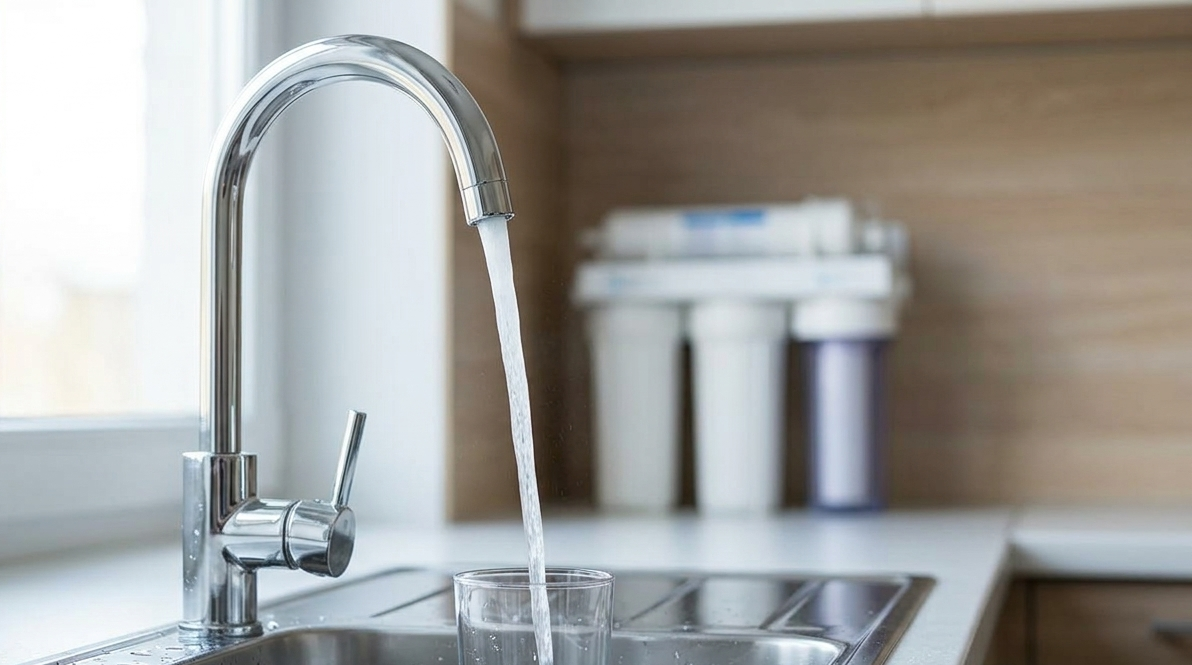
How to Remove Chlorine from Water: Easy and Effective Methods
Chlorine is added to municipal water supplies to kill bacteria and keep the water safe as it goes through pipes. While it does its job well, you may notice the downside: a strong smell, a sharp taste in drinking water, and even dry skin or brittle hair after showering. Families with children, or anyone who finds the smell of chlorine unpleasant, often notice it more.
The good news is that you don’t have to put up with it. In this article, we’ll explore how to remove chlorine from water at home using simple methods and reliable solutions. You’ll learn how to pick the best solution and check that it’s working for you.
If you’re wondering how to remove chlorine from tap water, there are several simple options.
Activated carbon filters are the most popular choice — they come in pitchers, faucet attachments, under‑sink units, and even whole‑house systems, all designed to trap chlorine and improve taste.
For drinking water, letting it stand uncovered for a few hours can help a little, while boiling removes chlorine more effectively. To do this, bring the water to a rolling boil for about 15–20 minutes.
In the shower, special filters are available to reduce chlorine smell and protect your skin and hair.
All these methods can make your water fresher and more pleasant to drink.
Most people know about chlorine in tap water, but fewer realize that many cities now use chloramine, which is a mix of chlorine and ammonia.
Both are added to kill bacteria, but they behave differently once the water reaches your home. Chlorine is easier to notice because of its strong smell and taste, and it can be removed fairly quickly.
Chloramine, however, is more stable and doesn’t disappear as easily. That means the usual pitcher or faucet filter won’t do much. To really reduce chloramine, you need a special type of filter called catalytic carbon, which can handle this tougher compound.
Knowing the difference helps you choose the right system. This way, your family will get water that is safe, fresh-tasting, and gentle on skin and hair.
Best for improving the taste and smell of drinking water for everyday use.
How it works. Activated carbon traps chlorine molecules as water passes through, making it fresher and cleaner. This is one of the most effective ways to tackle the problem if you’re wondering how to remove chlorine taste from water at home.
Pros. They are easy to find, simple to install, and available in different formats, from pitchers to faucet attachments and under‑sink units. These filters noticeably improve taste and odour, making your tap water more pleasant to drink. Many models have certifications (like NSF/ANSI standards) that guarantee chlorine reduction.
Limits. These filters mainly target chlorine, not chloramine, and they don’t soften water, or their heavy metal removal depends on filter design and certification. Pitchers and faucet filters may be slower or less powerful compared to under‑sink systems.
Cost/maintenance. Depending on use, cartridges may need changing every 2–3 months for pitchers and faucets, or every 6–12 months for under‑sink units. To keep your water tasting clean and the filter performing well, replace it regularly.
Best for those who need safer, better‑tasting drinking water without buying any equipment.
How it works. If you’re wondering how to remove chlorine from drinking water fast, boiling is the most effective short‑term method. Bring the water to a nice, rolling boil and let it bubble away for about 15 to 20 minutes!
Another option is to let water sit uncovered for several hours, which allows chlorine to slowly evaporate.
Pros. This method is simple, free, and useful when you only need small amounts of water for cooking or drinking.
Limits. Letting water sit is slow and doesn’t remove all chlorine. Boiling works better but isn’t practical for large volumes or everyday use. Neither method tackles chloramine, which requires special filters.
Cost/maintenance. It requires no extra cost, just time and energy. Great as a temporary solution until you choose a longer‑term fix.
Best for those who need safer, better‑tasting drinking water without buying any equipment.
How it works. If you’re wondering how to remove chlorine from drinking water fast, boiling is the most effective short‑term method. Bring the water to a nice, rolling boil and let it bubble away for about 15 to 20 minutes!
Another option is to let water sit uncovered for several hours, which allows chlorine to slowly evaporate.
Pros. This method is simple, free, and useful when you only need small amounts of water for cooking or drinking.
Limits. Letting water sit is slow and doesn’t remove all chlorine. Boiling works better but isn’t practical for large volumes or everyday use. Neither method tackles chloramine, which requires special filters.
Cost/maintenance. It requires no extra cost, just time and energy. Great as a temporary solution until you choose a longer‑term fix.
Best for quick dechlorination in baths and showers, especially for sensitive skin or children.
How it works. Vitamin C, also known as ascorbic acid, neutralizes chlorine almost instantly when added to water, including some chloramine compounds. You may dissolve a small amount of powder or tablets in bath water, or install special shower filters with vitamin C cartridges to purify the water as it flows through.
Pros. This method is fast, inexpensive, and gentle. Many people notice softer skin and hair, plus the chlorine smell disappears.
Limits. This method only treats the water where it’s applied and does not dechlorinate your entire house or tap water.
Cost/maintenance. It’s affordable and easy to use, but you’ll need to replace cartridges or add Vitamin C regularly to maintain effectiveness.
Choosing the right method depends on your situation and needs.
Finally, if your city uses chloramine instead of chlorine, make sure to choose catalytic carbon filters, since regular ones won’t be enough.
Matching the right solution to your lifestyle ensures you get the best results without overspending.


The simplest way is to use at‑home chlorine testing strips. Just dip one into a glass of tap water before and after filtration, then compare the colour change to the chart. If the strip shows little or no chlorine, your filter is doing its job.
Another method is to check your local utility’s water report, which tells you whether they use chlorine or chloramine. This matters because, as mentioned before, chloramine requires special catalytic carbon filters. Interpreting results is straightforward: if chlorine levels drop noticeably, you’ll taste and smell the difference too.
Testing gives you peace of mind and helps you know when it’s time to replace or upgrade your system.
When deciding how to remove chlorine and fluoride from water, keep in mind that the methods mentioned above do not remove fluoride.
Pitcher filters are the most budget‑friendly, usually $20–$50, but they need cartridge changes every 2–3 months.
Under‑sink systems cost more, often $150–$400, and they require filter replacement about once or twice a year.
Whole‑house carbon systems are the biggest investment, ranging from $800 to several thousand dollars, depending on size and flow rate, but their components can last several years.
No matter which option you choose, remember that proper maintenance is key. If you skip replacing the filter, chlorine can quickly reappear, so following the schedule is important.
To wrap it up, carbon filters are the most popular solution for most homes — they are simple, effective, and great at removing chlorine taste and smell.
But if your city uses chloramine, you’ll need catalytic carbon, because regular filters just won’t handle it.
The best choice depends on your situation. Matching the right system to your needs means better‑tasting water, softer showers, and peace of mind every day.


Article content
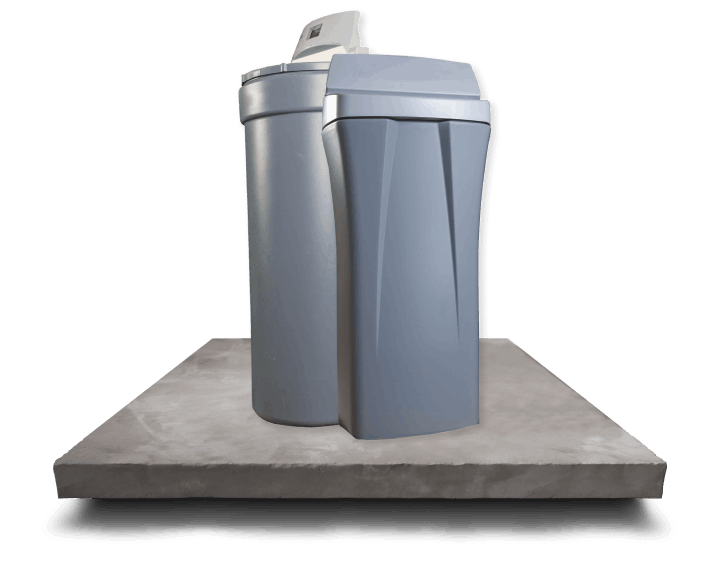
Say goodbye to hard water and enjoy softer skin, cleaner laundry, and longer-lasting appliances.
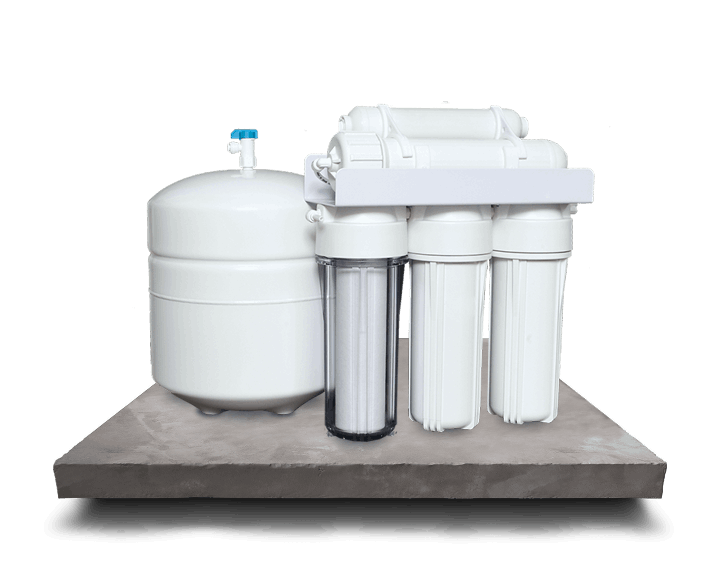
Get pure, great-tasting water by removing heavy metals and other harmful contaminants.
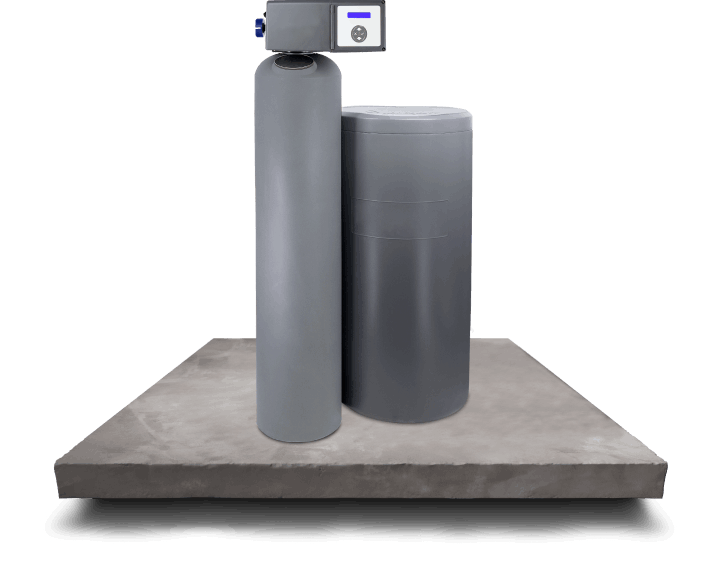
No more sediment, chlorine, and odours — just cleaner, fresher water in every tap in your home.
Our certified specialists will recommend the perfect solution for your home – sized for your family, your water, and your budget.

