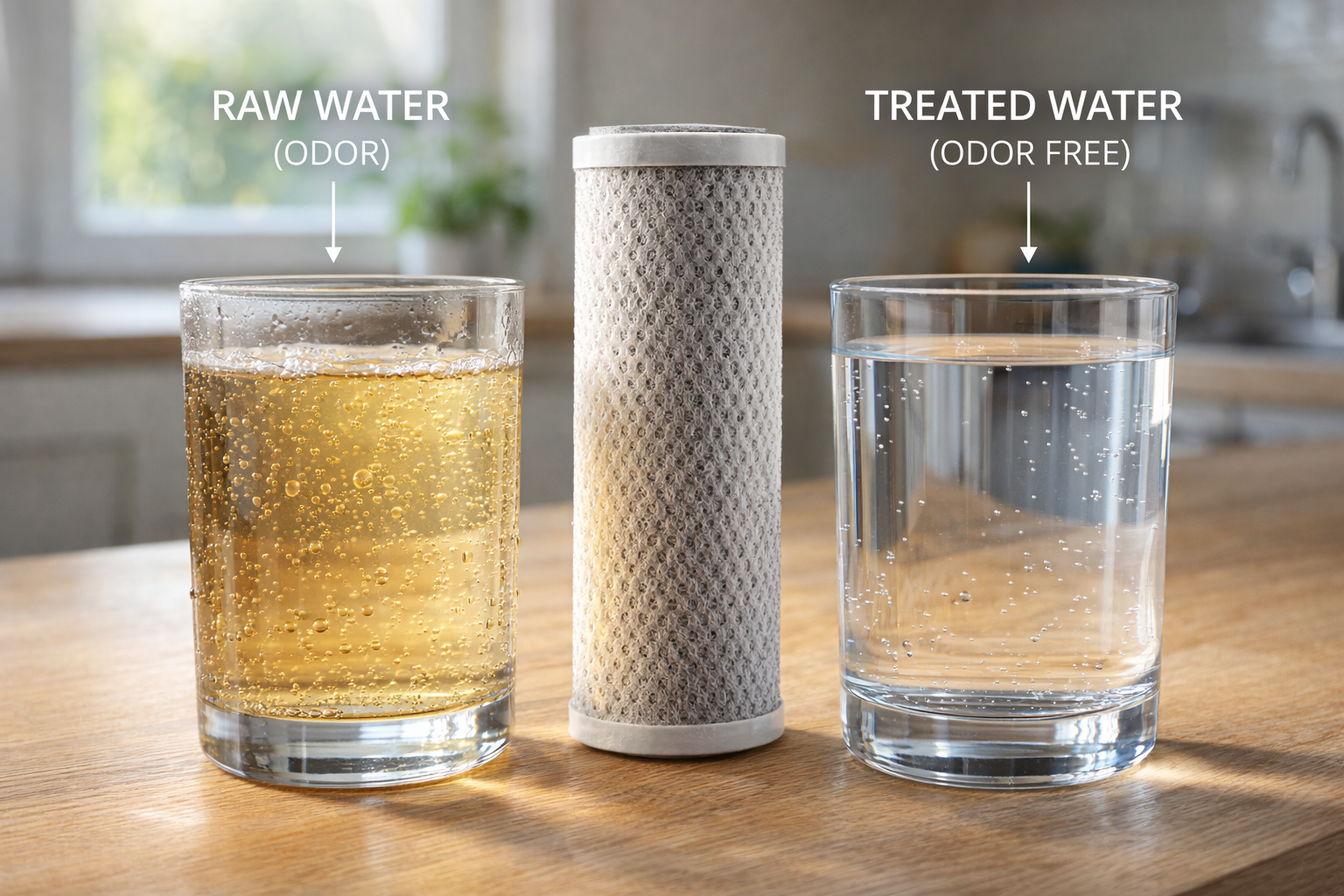
Why Your Well Water Smells Like Rotten Eggs and What You Can Do About It

If you use well water, you probably know that awful rotten‑egg smell when you turn on the tap. It comes from hydrogen sulphide, a gas that often shows up in underground water. The smell makes your drinking water taste bad, spreads through the whole house, sticks to laundry, and can even harm your appliances over time. These water quality problems are annoying and can get expensive if ignored.
The good news is you can fix it. In this article, we’ll look at why the odour occurs, how to find its source, and how to get rid of rotten egg smell in water. You will also learn practical methods and simple steps to prevent this problem.
The rotten egg smell in water usually comes from hydrogen sulphide gas. This gas appears when sulphur-reducing bacteria break down minerals underground. As they feed, they release hydrogen sulphide, which gives off that strong, unpleasant odour.
People who use well water notice this problem more often than those on city water. City water is treated and tested before it reaches your tap, but well water comes straight from the ground, where bacteria and minerals can build up naturally.
Several things can make the smell worse. A deeper well, warmer water, or water that has been sitting still for too long can all worsen the problem. Organic material in the well can also make the odour stronger. So, when you ask what causes rotten egg smell in water, the answer is a mix of the natural activity of bacteria and the conditions inside your well.

The sulphur odour is hard to miss. Why? It smells just like rotten eggs. But it’s important to know how to tell it apart from other odours.
Chlorine gives water a sharp, chemical scent, rust smells metallic, and algae can leave a musty or earthy odour. But the rotten egg smell is different: it’s stronger, more unpleasant, and lingers in the air.
You’ll often notice it most when you first turn on the tap, especially if the water hasn’t been used for a while. It can also appear after heavy rain. When you notice a rotten egg smell in hot water heater, it’s usually because hydrogen sulfide gas has built up in the system.
One quick way to tackle the rotten egg smell is shock chlorination. This means adding chlorine to your well water to kill the bacteria that cause the odour. It’s a straightforward method and often works well when the smell comes from bacterial growth.
You can do it yourself, or you can call a professional if you’d rather not deal with chemicals. Either way, the process usually clears the smell for a while and gives you fresher water.
The downside is that it doesn’t always last. If the bacteria return, the smell can come back too. That’s why shock chlorination is a short-term solution.
Another reliable way to deal with the rotten-egg smell is to use filtration systems. Different filters work differently, and choosing the right one depends on how strong the odour is.
For instance, activated carbon filters improve taste and remove light odours, so they work well if the smell isn’t too strong. For more serious sulphur problems, oxidizing filters are a better choice. These filters use special media to change hydrogen sulphide into particles that can be trapped and removed.
Another method is air injection filtration. This system adds oxygen to the water, which reacts with the sulphur and makes it easier to filter out.
No matter which system you choose, regular maintenance is key. You should clean and replace filters on time. But with proper care, filtration systems can keep your water fresh and safe.

Aeration is another effective way to fight the rotten egg smell. The idea is simple: air is pumped into the water, which reacts with the hydrogen sulphide gas and removes it. Once the gas is oxidized, it can be filtered out, leaving the water fresh and without odour.
This method works best for wells with high levels of sulphur, where other solutions might not work out. One big advantage is that aeration doesn’t rely on chemicals — it’s a natural process.
Aeration systems might take a little effort to set up, but they’re a good choice if you want a lasting result without using chlorine or other chemicals.
For homes that struggle with both hard water and sulphur odours, a mix of water softeners and iron filters can help. Together, they remove minerals that cause hardness and tackle the sulphur that creates the smell.
Here’s how it works: the softener uses ion exchange to pull out calcium and magnesium, while the oxidizing filter changes sulphur and iron into particles that can be trapped and removed. The result is cleaner, fresher water that tastes better and doesn’t leave stains or odours behind.
This setup is especially useful if your well water has that “rotten egg” smell along with hard water issues. You can solve two problems at once and get better water for drinking and cooking, and protect your appliances.

In some cases, the rotten egg smell is so strong that regular methods just don’t work. That’s when chemical treatments come in. Substances like sodium hydroxide or hydrogen peroxide can be added to the water to break down sulphur and remove the odour. These treatments are powerful and can handle very high levels of sulphur.
Chemical treatment is usually only needed in extreme situations. It’s not the first option most homeowners try, but it can be effective when nothing else solves the problem.
If used correctly, chemicals can handle stubborn odours. But since they are strong and must be applied carefully, it’s best to leave this job to professionals. They know how to apply the right amount safely and make sure the water is treated properly.


Taking care of your water systems is the best way to prevent that unpleasant sulphur smell from coming back. But there’s more:
The costs depend on the method you choose. Shock chlorination is usually the cheapest option, while installing filtration or aeration systems can be more expensive because they require equipment and setup.
After you install the system, you’ll have some ongoing costs. You’ll need to change filters, maintain aeration systems, and apply chemical treatments if the problem is severe.
Quick fixes like chlorination cost less, but they don’t always last. Bigger solutions like filtration or aeration cost more upfront, but they give you cleaner water and peace of mind for the long run.
Sometimes the smell is too stubborn for simple fixes. For example, if you notice a rotten egg smell in hot water, it usually means bacteria are growing inside your water heater. In that case, simply shocking the well or changing a filter won’t solve it.
Other signs that require expert help include:
When choosing a professional, look for someone experienced in well water treatment. A specialist can test your water, find the exact cause, and install the right system. This way, you’re not just masking the smell, you’re solving the problem at its root.

The rotten egg smell in water is almost always caused by hydrogen sulphide gas, created by bacteria underground. The odour can be unpleasant, but the good news is that there are several effective ways to deal with it: shock chlorination, filtration systems, and aeration.
The goal is not only to solve the problem once, but also to keep it from coming back. Regular well care, proper treatment, and routine testing help prevent future issues so your water stays clean, safe, and fresh!


Article content
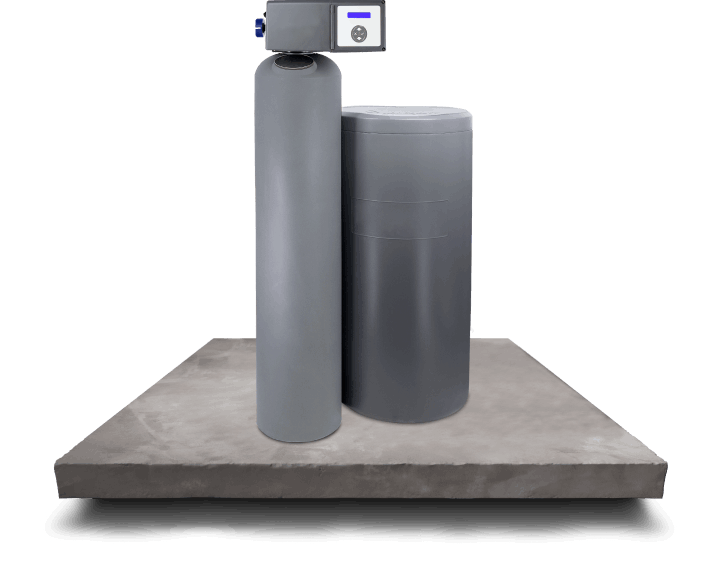
No more sediment, chlorine, and odours — just cleaner, fresher water in every tap in your home.
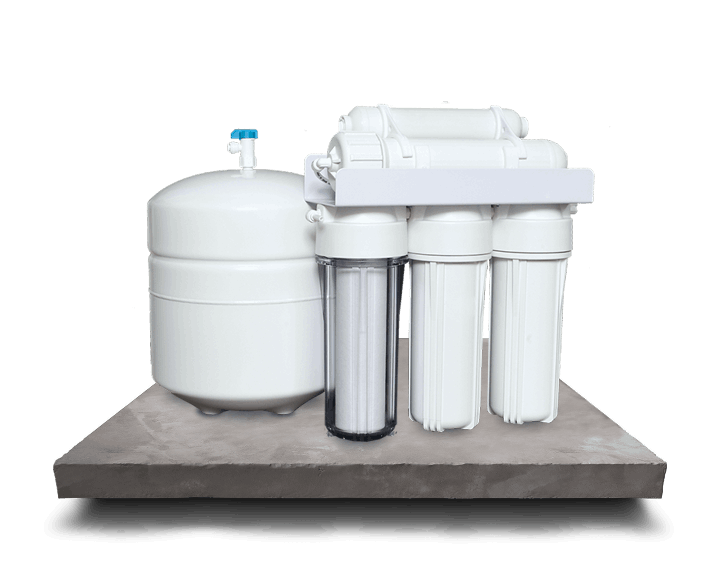
Get pure, great-tasting water by removing heavy metals and other harmful contaminants.
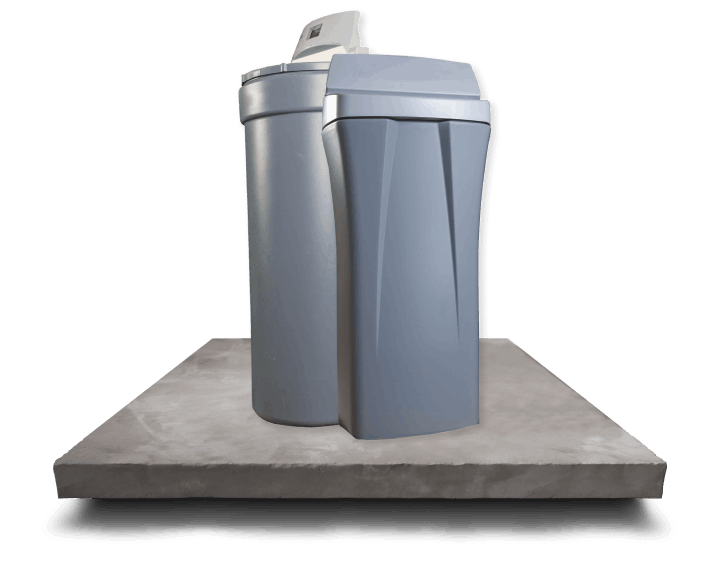
Say goodbye to hard water and enjoy softer skin, cleaner laundry, and longer-lasting appliances.
Our certified specialists will recommend the perfect solution for your home – sized for your family, your water, and your budget.

