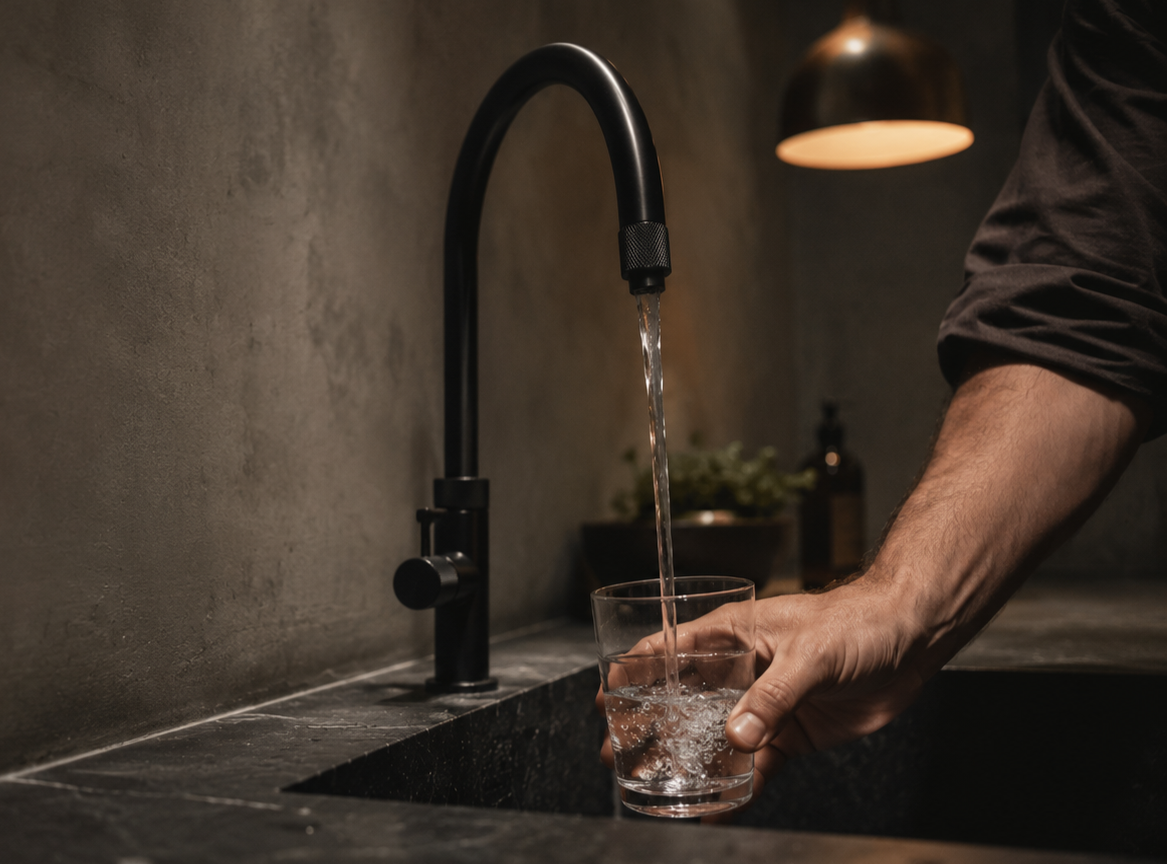
Is my tap water safe to drink?
Every time you fill a glass from the tap, you expect the water to be clean and safe. Still, many people ask themselves: “Is Canadian tap water safe to drink“? It’s a fair question, because even though Canada is known for high water standards, issues like chlorine taste, strange odours, or old plumbing can make you wonder what’s really coming out of your faucet.
In this article, we’ll explore what can affect your water quality, from common contaminants to local infrastructure. You’ll learn how to check if your water is safe, and what steps to take (like using filters or checking pipes) if you’re concerned about its quality.
Before water reaches your home, it goes through water treatment systems. This process usually includes filtering out particles and disinfecting with chlorine or other methods to remove harmful germs. The goal is to make sure the water that flows from your tap is clear and safe.
Still, there are times when contaminants can slip in. Chlorine, while useful, can leave a strong taste. Old pipes may release lead into the water. Microbial risks, such as bacteria or viruses, can sometimes enter through damaged infrastructure or private wells. Nitrates from agricultural runoff are another concern, especially in rural areas.
To keep drinking water safe, Canada has strict regulations in place. Health Canada sets the Guidelines for Canadian Drinking Water Quality, which define acceptable levels for various contaminants. Provinces and local municipalities monitor and test water supplies regularly to make sure these standards are met. So if you’ve ever wondered, “Is it safe to drink bathroom tap water in Canada?”, the answer depends on both the treatment process and the condition of your plumbing.

You probably know that the water coming out of your tap doesn’t just get there by chance. It’s checked carefully before it reaches you. In Canada, clear safety rules set limits for things like chlorine, lead, nitrates, and bacteria, so the water stays safe to drink.
Local water providers follow strict routines. They test the water daily or weekly for contaminants such as bacteria, chemicals, and heavy metals. If something looks wrong, they fix it right away. Once a year, they share a water quality report with the community, so you can see exactly what’s in your water.
Treatment plants also need approvals and certifications to confirm they’re meeting these national guidelines. With clear rules, regular testing, and certified facilities working together, you can feel confident that the water coming from your tap is being closely monitored.
Even though tap water is treated and tested, sometimes contaminants still slip through. Here are the ones you’re most likely to run into:
In some regions, arsenic can be a concern, linked to natural deposits in soil and rock. Fluoride is often added to help prevent tooth decay, but too much can cause staining on teeth.
When you know about these contaminants, it makes sense why your water can taste or smell odd. That’s also why regular testing and monitoring matter so much — they keep your drinking water safe.

Wondering if your tap water is truly safe? Here are four simple ways to check:
Check your local water report. Every municipality in Canada publishes an annual water quality report. You can usually find it on your city’s website. It lists what’s in your water, compares results to national safety standards, and highlights any issues.
Use a home water test kit. These kits are easy to use and widely available. A few drops of water on a strip can reveal levels of chlorine, hardness, or even lead. Some kits test for bacteria, too. But keep in mind that these home kits are not as reliable as lab kits.
Look for warning signs. Discoloration, a metallic taste, or a strong chlorine smell can all signal trouble. Rust stains around fixtures may also point to corrosion in your plumbing.
Check your plumbing. Even if your city’s water supply is clean, outdated plumbing, lead pipes or fittings can add contaminants.
Many homeowners ask: “Is hot tap water safe to drink in Canada?” The answer is no! Hot water can dissolve metals from pipes more easily, so always use cold water for drinking and cooking.
If you’re worried about what’s coming out of your tap, there are steps you can take right away.
Contact your water utility. Your local provider can answer questions, share the latest water quality report, and even arrange extra testing if needed. It’s the fastest way to get official information.
Use filters. Not all filters are the same. For instance, activated carbon filters improve the taste and reduce chlorine, while reverse osmosis systems can remove heavy metals and nitrates. Choosing the right filter depends on what you’re trying to fix.
Consider bottled water or another alternative source. If you’re waiting for test results or dealing with a serious issue, bottled water or a safe alternative source is the quickest solution for drinking and cooking. It’s not ideal in the long term, but it keeps your family safe.
Think about home improvements. Old pipes can leach lead or rust into your water. Replacing outdated plumbing or scheduling a professional inspection can make a huge difference. This investment will protect your health.

Sometimes, it’s best to call a professional. Do it in these cases:
Tap water in Canada is generally safe, but quality can vary with local treatment, plumbing, and the environment.
Check your city’s water report, test water at home when needed, and fix issues with filters or plumbing systems. These small steps will keep your drinking water safe and reliable.


Article content
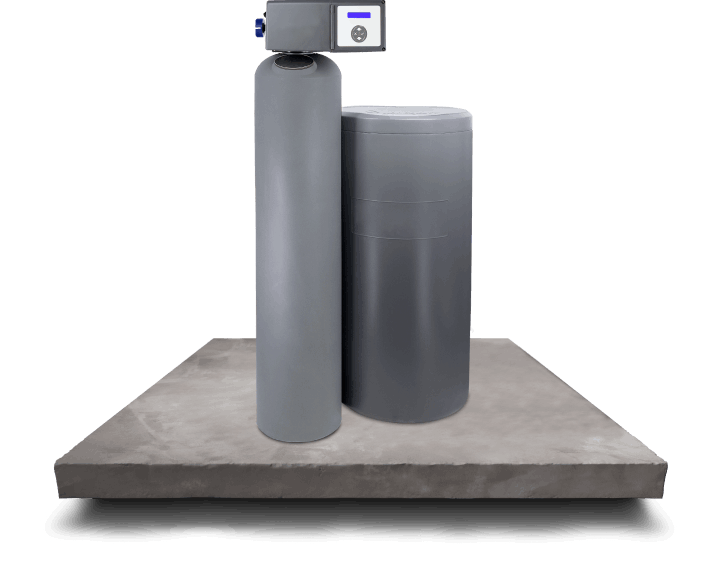
No more sediment, chlorine, and odours — just cleaner, fresher water in every tap in your home.
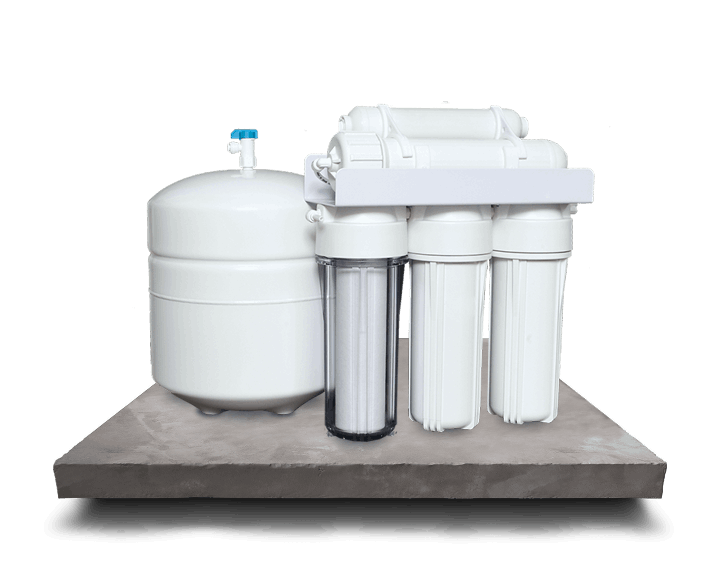
Get pure, great-tasting water by removing heavy metals and other harmful contaminants.
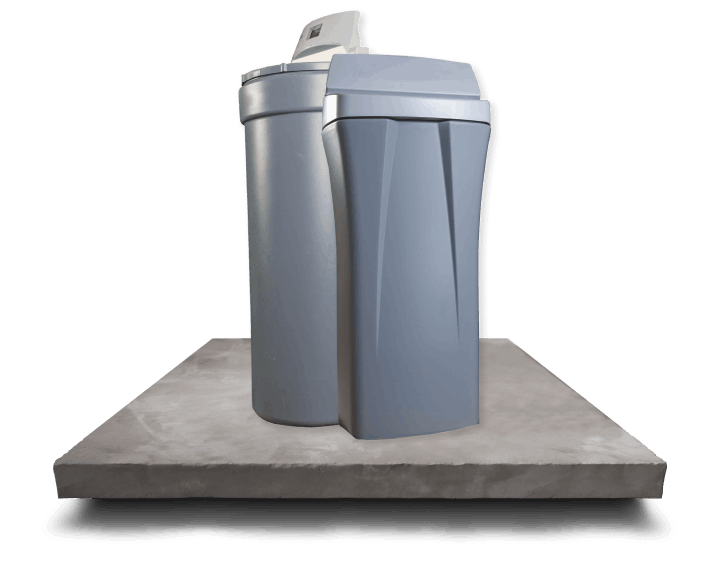
Say goodbye to hard water and enjoy softer skin, cleaner laundry, and longer-lasting appliances.
Our certified specialists will recommend the perfect solution for your home – sized for your family, your water, and your budget.

