Is Tap Water Safe to Drink in Toronto? Facts, Testing & Risks
Toronto’s tap water is carefully treated and strictly regulated. But is it safe to drink tap water in Toronto? At the city level, yes. However, ‘safe’ doesn’t always mean the water quality at your kitchen faucet is the same. Factors like building age, plumbing materials, and recent maintenance work can affect what actually comes out of the tap.
This article explains how Toronto’s drinking water is regulated and monitored, what typically affects taste and quality, and where risks can arise at the household level. You will also find out how to test your water and choose a targeted solution to treat it. That way, you can tackle a confirmed issue without having to guess.
Yes. Toronto’s tap water meets provincial standards and is safe for the general population according to routine monitoring and public reporting. The City treats and tests water before it enters the distribution system. The results are published annually.
One thing to keep in mind is that water quality can change once it leaves the city system. While travelling to your home, it might pick up lead from older pipes or be affected by plumbing materials. You might also notice changes in taste or smell, especially after repairs or maintenance work
Is tap water in Toronto safe to drink if I live in an older building? Yes, but quality can be affected by older plumbing or service lines.

In Toronto, drinking water safety is governed by the Ontario Drinking Water Quality Standards. These standards set health-based limits for bacteria, chemicals, and radiation. Moreover, they define the performance of treatment systems. Municipal systems are required to regularly sample water, document results, and report exceedances.
Toronto’s drinking water system meets these requirements, and the treatment plants test water at multiple stages. Then, the City publishes annual system reports that summarize compliance, detected substances, and incidents.
Keep in mind that these standards apply to water delivered to the distribution system. They do not account for conditions inside private buildings.
The water comes from Lake Ontario and is treated at four plants that operate 24 hours a day. Together, they treat more than one billion litres of drinking water daily for homes and businesses across the city.
The treatment process includes the following stages:
After treatment, the system distributes water through pumping stations, reservoirs, storage tanks, and watermains. Operators adjust pressure and supply to meet daily demand and ensure service during peak periods or emergencies.
A few factors can affect water taste and appearance. See what they are and ways to address them if needed.
Chlorine keeps water safe while it moves through the distribution system. As a result, residents may notice a mild chemical taste or “pool-like” odour, particularly after water sits overnight in pipes. These variations affect comfort rather than health.
To reduce this, flush taps for 30–60 seconds in the morning. Additionally, you can use activated carbon filters. They remove most taste and odour but leave naturally occurring minerals intact.
👁️🗨️Is the tap water in Toronto safe to drink if I notice a chlorine taste or smell? Yes. These disinfectant residuals are safe.
Toronto’s water contains naturally occurring minerals like calcium and magnesium, which can cause minor scale buildup on kettles, coffee makers, and faucets over time. These levels are safe to drink and rarely affect health.
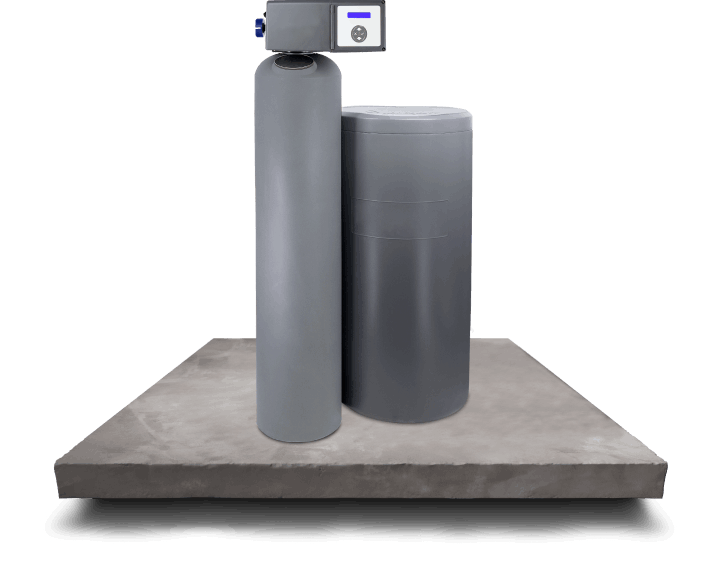
Install softeners or scale-control devices that handle hardness and protect fixtures and appliances. Also, descale kettles and faucets regularly to maintain their efficiency.
👁️🗨️Is tap water safe to drink if it’s hard or has minerals? Yes. Toronto’s mineral levels are safe; hardness affects some kitchen and bathroom appliances only.
The City tracks a wide range of chemical and physical parameters at very low concentrations and publishes the results. Levels can vary between neighbourhoods depending on pipe materials, water age in the distribution system, and seasonal treatment changes. In most cases, trace contaminants stay below regulatory limits and do not affect taste.
Review recent Toronto system reports to understand current conditions in your area.
Most tap issues in the province come from building-level conditions or temporary system changes. Here are the situations where you might need to pay attention, do some testing, or take quick action.
The biggest local concern is older service lines and household plumbing. Water leaving city treatment plants is free of contamination, but it can pick up impurities as it travels through pipes. This is especially true for homes built before the mid-1950s.
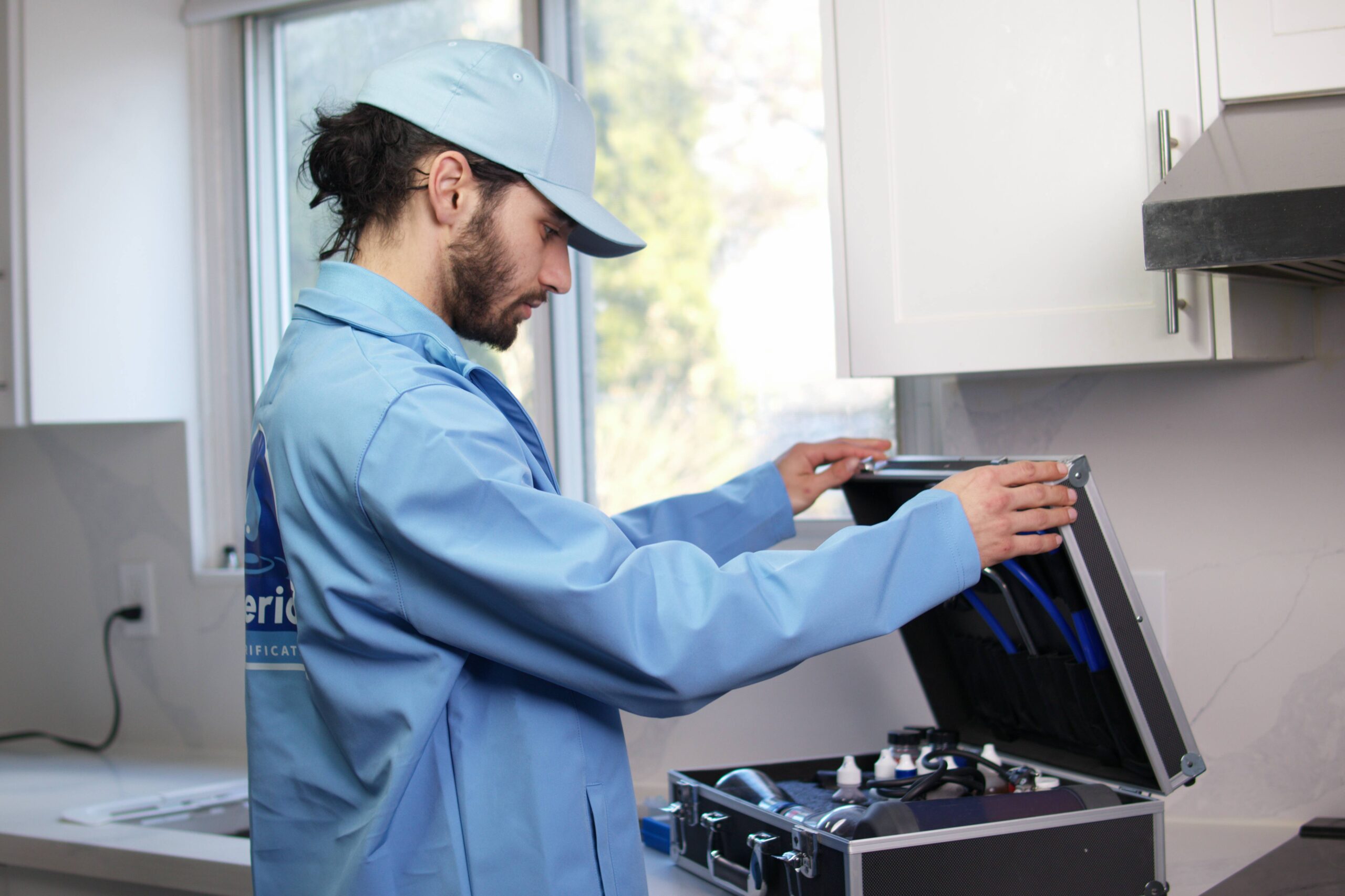
The City offers free lead testing kits and may replace its portion of the service line, but as a homeowner, you are responsible for your plumbing. Testing shows the water quality at your tap and helps you take action, like flushing or using certified filters. Pipe replacement fixes the root problem
👁️🗨️Is tap water safe to drink in Ontario, Canada, if my home has older plumbing? Yes. Water leaves the plant safe. However, lead from old pipes can enter the tap.
Some households have a lower tolerance for water contaminants, even in small amounts. This can include families having babies, pregnant women, and people with weakened immune systems. Therefore, they may need water quality checking even in newer buildings.
Public health advice combined with simple testing offers a clearer picture of what’s coming out of the tap and whether it poses concerns.
👁️🗨️Is tap water safe to drink in Toronto if I am pregnant, have an infant, or have a weakened immune system? Yes. Toronto’s water is safe. Yet, testing can provide extra reassurance for sensitive populations.
Water can appear cloudy, brown, or smelly. It usually happens after nearby construction, water main repairs, or pressure changes. In these cases, residents should check City advisories and flush cold-water lines until the water runs clear. Persistent changes need further testing and investigation.
👁️🗨️Is tap water in Ontario safe to drink if it looks cloudy, brown, or smells? Yes. These changes are usually temporary. Flushing taps and checking City advisories helps ensure safety.
Testing, monitoring City advisories, and taking simple short-term measures help residents manage these risks effectively.


Follow the steps below to confirm what you are actually drinking:
The first step in testing your tap water is to match the test to the issue you want to check.
Follow instructions to avoid contamination. For lead, take the first water from the tap after several hours of stagnation. For other tests, follow the kit or lab instructions.
For example, use clean containers, don’t touch the inside of the sample bottle, and collect water at the recommended flow and temperature.
Compare findings with Ontario Drinking Water Quality Standards or Health Canada guidelines. Minor exceedances of taste, odour, and colour parameters may not require treatment. However, health-based exceedances indicate a need for corrective action.
Act according to your test results. For example, you can flush taps or use certified filters to reduce lead exposure immediately. If the source is plumbing, you may need to replace pipes or fixtures for a permanent solution. After taking action, retest your water to ensure it is safe.
Comparing test results to your specific risks and official standards reveals your tap water quality and whether steps are necessary.
When a test identifies a water quality issue, the best approach is to match the solution to the specific problem rather than buying equipment blindly. The table below summarizes common situations and practical interventions.
Issue | Recommended solution | What it does |
Chlorine taste or odour | Carbon filter | Reduces disinfectant taste and smell without affecting minerals |
Dissolved contaminants | Reverse osmosis system | Removes minerals and impurities * use only if testing shows specific dissolved contaminants |
Hardness | Water softener or scale-control device | Reduces hardness and prevents scale buildup |
Lead in older plumbing | Flushing, certified lead-reduction filter, plumbing/service line replacement | Lowers lead levels and prevents exposure |
Matching treatment to the actual issue can help you save money, avoid unnecessary complexity, and ensure tap water is safe.
The cost of water treatment depends on the type of solution you choose, the size of your home, and the level of water quality you want to achieve.
Testing your tap first ensures you invest only in a system that addresses a confirmed water quality issue, avoiding unnecessary expense or complexity.
Toronto’s tap water meets strict provincial standards, and the city publishes reports so you can see how the system performs. That said, what comes out of your faucet can still vary depending on your building’s plumbing.
So, if you notice anything unusual, even if you live downtown, check it to understand the issue and choose the right filter or treatment.


Article content

No more sediment, chlorine, and odours — just cleaner, fresher water in every tap in your home.
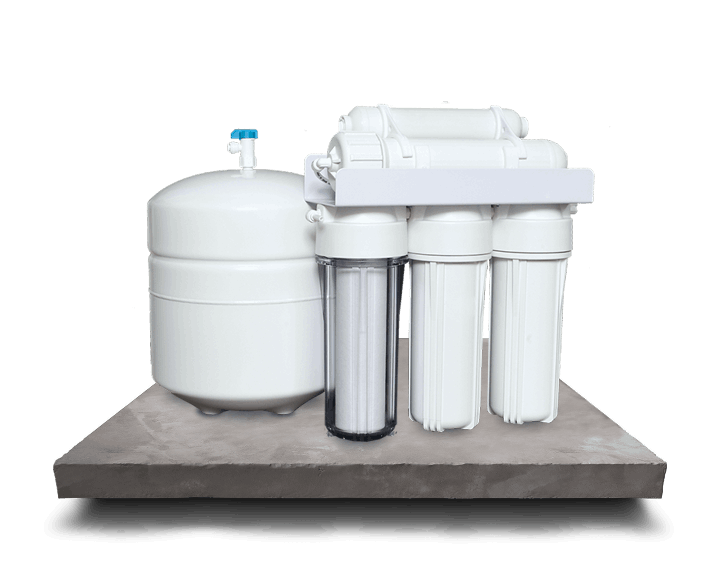
Get pure, great-tasting water by removing heavy metals and other harmful contaminants.
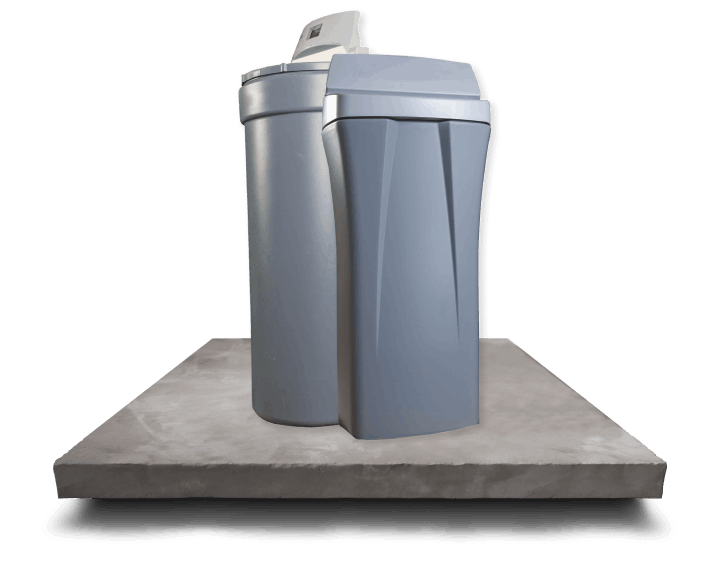
Say goodbye to hard water and enjoy softer skin, cleaner laundry, and longer-lasting appliances.
Our certified specialists will recommend the perfect solution for your home – sized for your family, your water, and your budget.

