Water Softener Installation Cost: Complete Pricing Guide For 2026

The total cost of a softener goes beyond the price on the estimate. It depends on the system type, existing plumbing, available space, and add-ons the setup requires. Together, they set the scope of the work.
The installation itself is straightforward. In other cases, installers may need to add new connections, drainage, or additional treatment components.
This guide explains how each of these factors affects the water softener installation cost. It provides the context you need to create a realistic budget for the entire project and understand what installers typically include in a standard setup.
Water softener installation price depends on the following aspects:
Water conditions, including hardness, iron levels, and sediment, can also affect installation quotes. For example, harder water may require a larger or more advanced system. Well water with iron or sediment often needs additional pre-treatment.
While every home is unique, most contractors include these essential steps to get your system fully operational from day one:
Most quotes do not include extra work, such as plumbing modifications or rerouting. They also usually exclude permits and inspections. Beyond that, installing or relocating drains and electrical connections often costs extra. Finally, the removal and disposal of old equipment are typically charged separately.
As mentioned earlier, the cost of water softener installation depends on equipment, labour, and extras. Each affects the total differently, based on your home setup and water characteristics.
| Pricing aspect | What it includes | When the cost for water softener installation increases |
|---|---|---|
Equipment | The main softener unit and its parts, like tanks, resin, and control valves. |
|
Labour | Hooking up plumbing, placing the system, testing, and making adjustments. |
|
Extras | Additional items or services beyond a basic installation, such as pre-filters, water treatment, permits, or removing old equipment. |
|
A straightforward replacement of a single-tank softener in an easily accessible basement with standard plumbing is usually the cheapest option. In contrast, installing a dual-tank system in a tight utility room with hard water raises equipment and labour costs.
The more you know about pricing structures, the easier it is to avoid unexpected costs. The following aspects usually affect the service price.
Use these considerations to compare quotes more effectively, plan for upgrades, and make choices that fit your home and budget.


The type of water softener affects both installation effort and labour costs in the following way:
The right system choice depends on how much water you use, the space you have, and how complex the installation will be.
Even a standard water softener installation can include extra items that add to the total price. Here are some of the most common:
Ask your installer about these potential extras upfront. Knowing what may be required for your home helps you compare quotes accurately.
If your plumbing is easy to access and you are comfortable with basic tools, you can save money by installing a softener yourself. However, be aware that mistakes may lead to leaks, uneven softening, or water damage. Moreover, troubleshooting takes extra time, which can add to the overall water softener cost and installation expenses.
Hiring a professional makes sense for more complex setups. In particular, systems that require new drains, rerouted pipes, electrical work, or upgrades to old plumbing are best handled by a licensed installer. Pros ensure everything meets local codes, install proper shutoffs, and keep warranties valid.
So, assess your skills and tools. If anything tricky comes up, hire a professional to protect your system and your peace of mind.

Knowing the recurring costs of a system helps you plan your budget and keep the device running efficiently. These expenses go beyond the initial cost of the water softener and installation and include materials, maintenance, and occasional professional checks.
| Item | What it is for | Why it matters |
|---|---|---|
Salt | Added regularly for traditional softeners; usage depends on water hardness and household size | Harder water requires more salt. |
Resin | Beads soften water and last several years | Essential for proper mineral removal |
Pre-filters | Trap sediment and particles before they reach the system | Allows you to keep the water clean and protect the softener |
Cleaning and checks | To ensure the system runs efficiently and lasts longer | Helps you prevent leaks or damage and maintain performance |
Minor parts and repairs | To fix small components like valves or fittings | Keeps your system operating properly and prevents bigger problems |
Thinking ahead about ongoing costs will help keep your system running smoothly and prevent any surprise expenses!
Before you commit, ask your installer these key questions to ensure you get an affordable and effective system:
Pro tip: Ask your installer for the average cost of similar installations in your area. This helps you benchmark quotes and avoid paying more.
The most reliable water softener system installation cost estimate starts with choosing a system that fits your household size and water conditions. From there, confirm what the labour covers and which add-ons affect the price.
A clear scope and the right system help prevent surprises and deliver better long-term value.


Article content
Say goodbye to hard water and enjoy softer skin, cleaner laundry, and longer-lasting appliances.
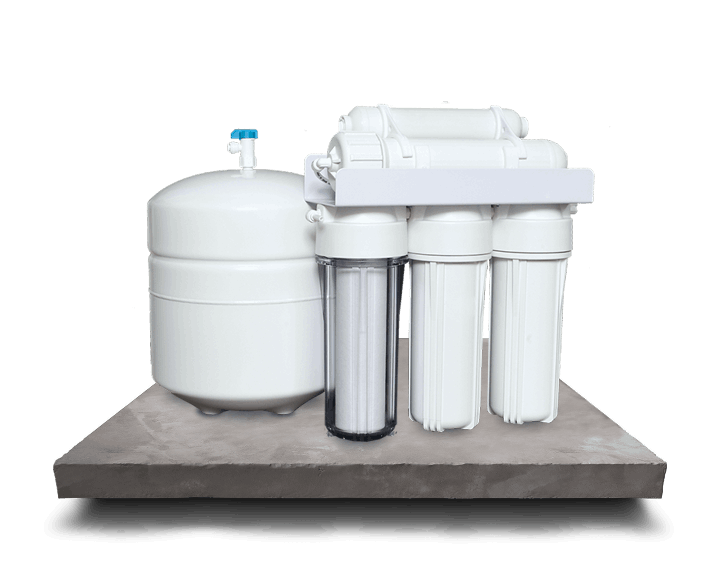
Get pure, great-tasting water by removing heavy metals and other harmful contaminants.
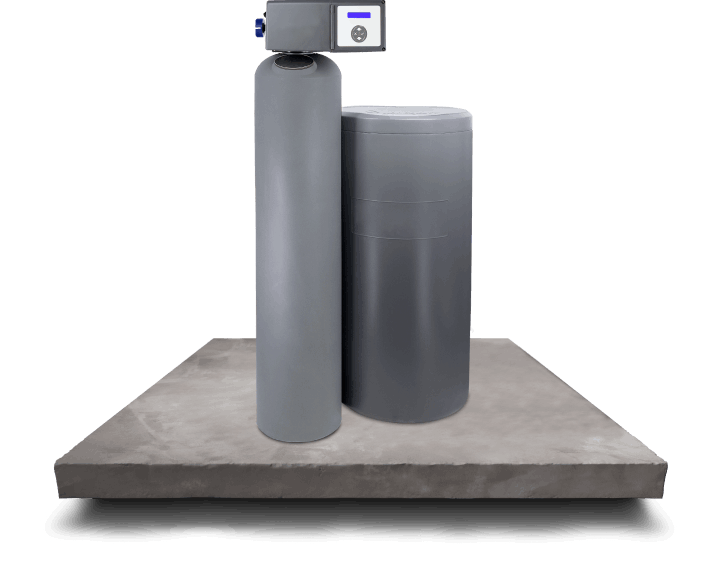
No more sediment, chlorine, and odours — just cleaner, fresher water in every tap in your home.
Our certified specialists will recommend the perfect solution for your home – sized for your family, your water, and your budget.

