RO Filtration Explained: What Does Reverse Osmosis Remove?

Water can carry things we don’t want to drink, like fluoride, dissolved salts, or even heavy metals. That’s why many people consider installing a reverse osmosis system. It’s one of the most effective ways to improve the taste and safety of tap water. But before you decide, it helps to know what reverse osmosis can actually do, and how to choose the right setup.
In this article, we’ll explain how RO works. You will also learn about its strengths, its limits, and how to decide if this technology is right for your home or apartment. Reverse osmosis is powerful, but it’s not magic, and understanding how it works will help you choose wisely.
Reverse osmosis is like giving your water a deep clean. It removes things you can’t see but definitely don’t want to drink, such as salts, excess minerals, and heavy metals.
Does reverse osmosis remove fluoride? Yes, it can reduce fluoride along with many other dissolved substances. Still, RO isn’t a complete solution. It cannot remove chlorine, odours, or many VOCs. That is why most reverse osmosis systems are combined with carbon filters. The carbon removes the smells and chlorine, while the RO membrane handles the dissolved contaminants. Working together, they give you fresh and safe drinking water.
Reverse osmosis is one of the best ways to clean your drinking water, removing up to 99% of the stuff you don’t want in there.
Membrane, pressure, and the concept of “semipermeability”.
Reverse osmosis works by using pressure to push water through a very fine filter called a semi‑permeable membrane. This membrane has tiny pores that let pure water molecules pass through but block most dissolved substances. Think of it as a barrier that separates clean water from unwanted contaminants.
The process is powerful enough to reduce salts, excess minerals, heavy metals, and even fluoride. No matter if you use a small under‑sink unit or a larger whole-house system, the principle is the same: the membrane traps contaminants, leaving cleaner and safer water on the other side.
A reverse osmosis system usually cleans water in several steps. First, a sediment filter catches dirt, sand, and rust. Next, a carbon filter reduces chlorine and bad tastes.
Then the RO membrane does the heavy work, removing dissolved salts, metals, fluoride, and other impurities.
Finally, a post‑carbon filter gives the water a fresh polish before it reaches your glass. Together, these stages make sure the water is not only safer but also fresh and pleasant to drink.

Removal depends on the system and the water chemistry in your home. Some contaminants are reduced easily, while others need extra filters or treatment.
Reverse osmosis lowers total dissolved solids (TDS). This means it reduces salts and extra minerals that can make water taste “hard” or leave white scales on faucets and kettles.
Does reverse osmosis remove minerals? Yes, it strips away most dissolved minerals, which is why RO water often tastes lighter and cleaner. For people dealing with hard water, this can be a big benefit, as it helps prevent buildup and improves the taste of drinking water.
One of the strongest reasons people choose RO is its ability to reduce heavy metals. Does reverse osmosis remove lead? Yes, it is widely used to lower lead levels, which is especially important in older plumbing systems. RO can also reduce arsenic (depending on its chemical form), mercury, chromium, and other metals that may be present in your well or tap water.
These metals are harmful even in small amounts, so having a membrane that blocks them is a major safety advantage. That’s why reverse osmosis is often recommended when heavy metal contamination is a concern.
Reverse osmosis is especially good at removing dissolved substances that are too small for most other filters to catch. These include nitrates and nitrites (which can be harmful if they build up) as well as fluoride and sulphate. By lowering these levels, the system makes your drinking water safer and often improves its taste, too. The key part is the RO membrane, which has tiny pores that block these invisible particles while letting clean water through.
Does reverse osmosis remove microplastics? Yes, the pores are small enough to stop most microplastics, adding extra protection. It’s important to remember that carbon filters are usually added to handle chlorine and odours, while the RO membrane focuses on dissolved contaminants. Together, they cover a wide range of problems.
Does reverse osmosis remove bacteria? Yes, thanks to their tiny pores, reverse osmosis membranes block virtually all types of bacteria, along with viruses and cysts. But here’s the important nuance: real‑world protection depends on the integrity of the system.
If seals or filters are not maintained, microbes can sneak through. For well water or areas with higher biological risk, many people add a UV light stage to kill anything that might remain. With proper care, RO becomes a reliable safeguard against microbial contamination.
While reverse osmosis is one of the most thorough filtration methods out there, it’s not a perfect solution for every single water quality issue. The semi-permeable membrane does an excellent job blocking dissolved solids, minerals, and most contaminants, but there are a few things that can still slip through.
Reverse osmosis is powerful, but it doesn’t catch everything: dissolved gases like carbon dioxide (CO₂) can slip through the membrane. That’s why RO water may sometimes taste slightly acidic. These gases don’t get trapped the way salts or metals do, so even with strong filtration, some flavours or acidity can remain. It’s a reminder that RO is excellent for many contaminants, but not a cure‑all for every water issue.
Does reverse osmosis remove chlorine? Not very well. RO membranes are easily damaged by chlorine, so they’re not designed to handle it. And that’s where carbon filters can help. Carbon prefilters do the heavy lifting against chlorine, odours, and many volatile organic compounds (VOCs). Without carbon, your RO system wouldn’t last long or taste good. Together, carbon and RO make a strong team — one tackles odours and chemicals, the other handles dissolved contaminants.
Even the best system can’t protect against poor hygiene. Storage tanks, faucets, and lines need regular cleaning and maintenance. If they’re neglected, bacteria can grow after filtration, undoing the benefits of RO. Keeping the system clean ensures that it really delivers safe, fresh water.
Not all reverse osmosis systems are the same, so it’s important to check what yours is actually certified to do. Look for NSF/ANSI certifications on the product label or manual. These standards show that the system has been tested to reduce specific contaminants, like lead, nitrates, or chlorine.
Don’t rely only on “TDS reduction”. Cutting total dissolved solids might sound impressive, but it doesn’t show which contaminants are actually removed. What really matters are the specific claims, these show exactly what the system has been tested to remove. Checking those lists gives you a clear picture of what your RO unit can actually handle.
For extra peace of mind, consider sending your tap water for a lab test, then you’ll know which contaminants matter most in your home and whether your RO system is the right fit.


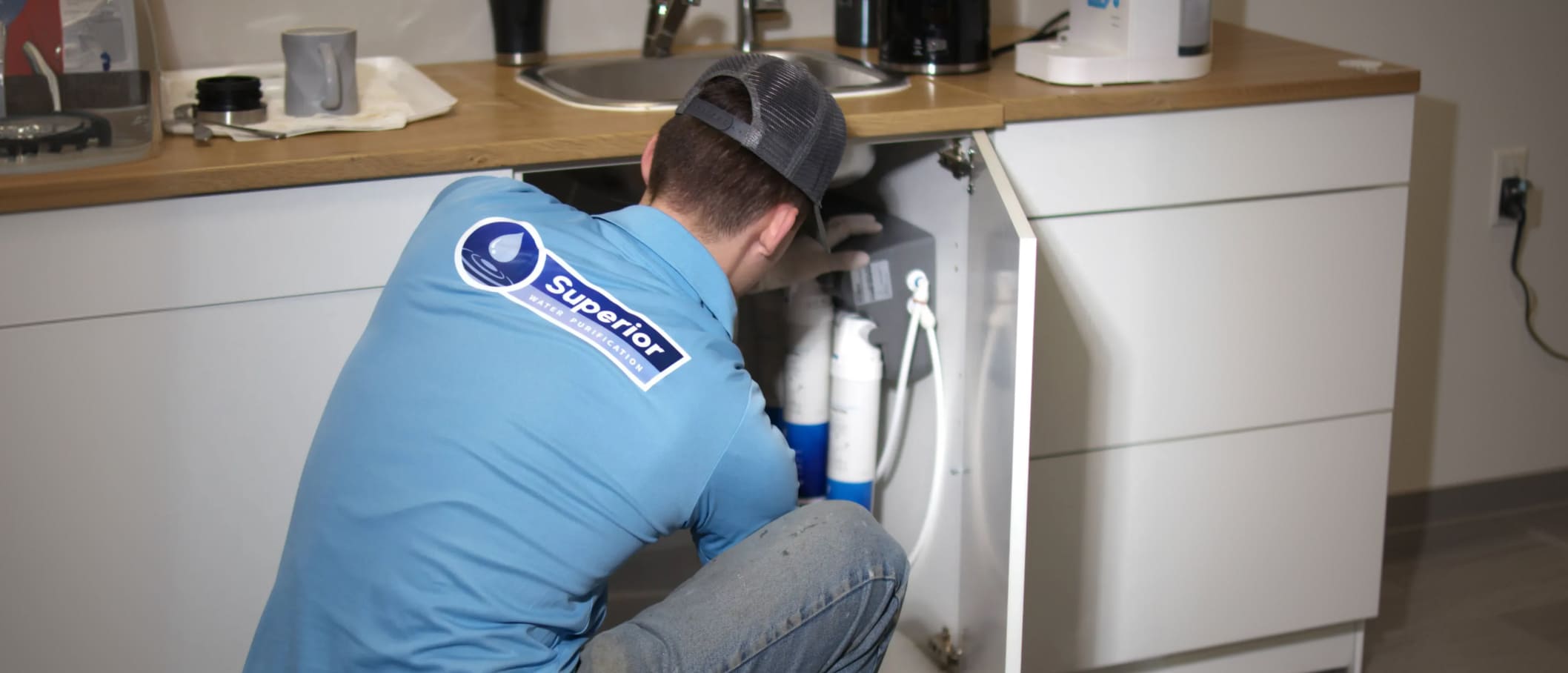
When choosing the best reverse osmosis system for home, it helps to know the options. Most RO units are under‑sink systems, hidden away but delivering clean water straight to your faucet.
Some people add remineralization filters to return healthy minerals, since RO removes most of them. If your water source is a private well or has a higher biological risk, a UV stage can be added to kill microorganisms.
And for areas with strong chlorine or chemical odours, a dedicated carbon filter makes sure the water tastes fresh. The right mix depends on your needs, space, and water quality.
Keeping a reverse osmosis system in good shape is important. The pre‑filters usually need replacing every 6–12 months, while the RO membrane can last 2–5 years, depending on water quality.
Regular changes keep performance high and prevent damage. The RO process creates a stream of wastewater that carries away the trapped contaminants. Older units could waste several gallons for every gallon of clean water produced.
Modern designs are much more efficient. While there is some ongoing cost for filters and maintenance, the payoff is steady access to fresh, safe drinking water.
Reverse osmosis gives you peace of mind by removing the contaminants you can’t see, like salts, metals, and other substances. It works best as part of a complete system, where sediment and carbon filters handle particles and odours, and the RO membrane takes care of the hidden impurities.
To know exactly what your system can do, check certifications and contaminant claims. That way, you’ll be confident your water is truly clean and safe to drink!


Article content

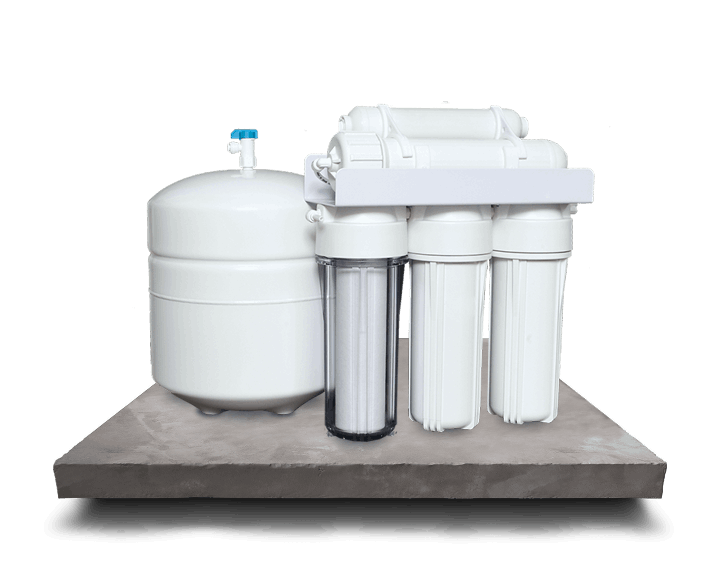
Get pure, great-tasting water by removing heavy metals and other harmful contaminants.
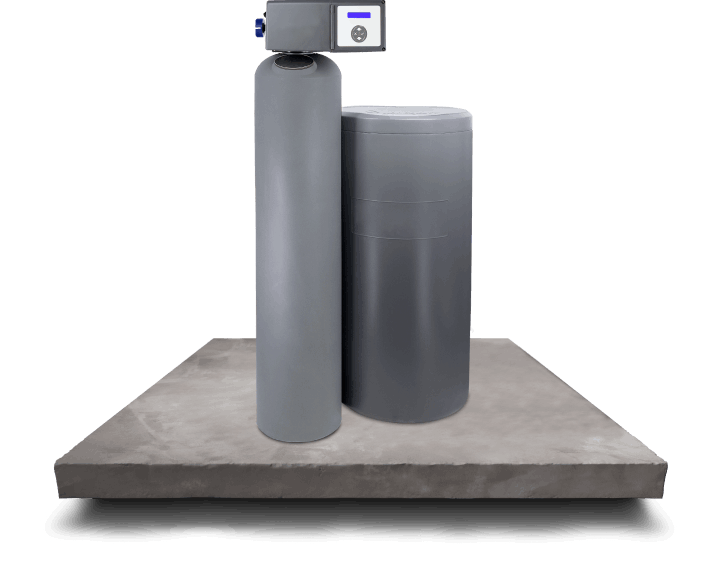
No more sediment, chlorine, and odours — just cleaner, fresher water in every tap in your home.
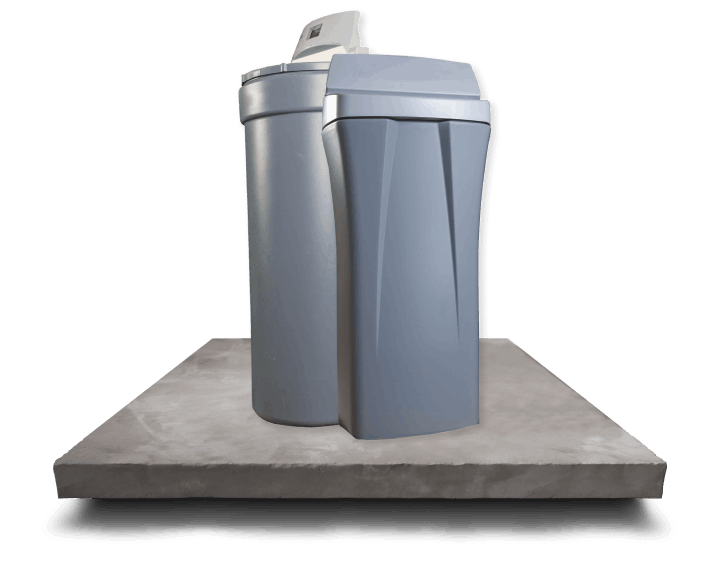
Say goodbye to hard water and enjoy softer skin, cleaner laundry, and longer-lasting appliances.
Our certified specialists will recommend the perfect solution for your home – sized for your family, your water, and your budget.

