Why Does Your Tap Water Smell Like Chlorine?
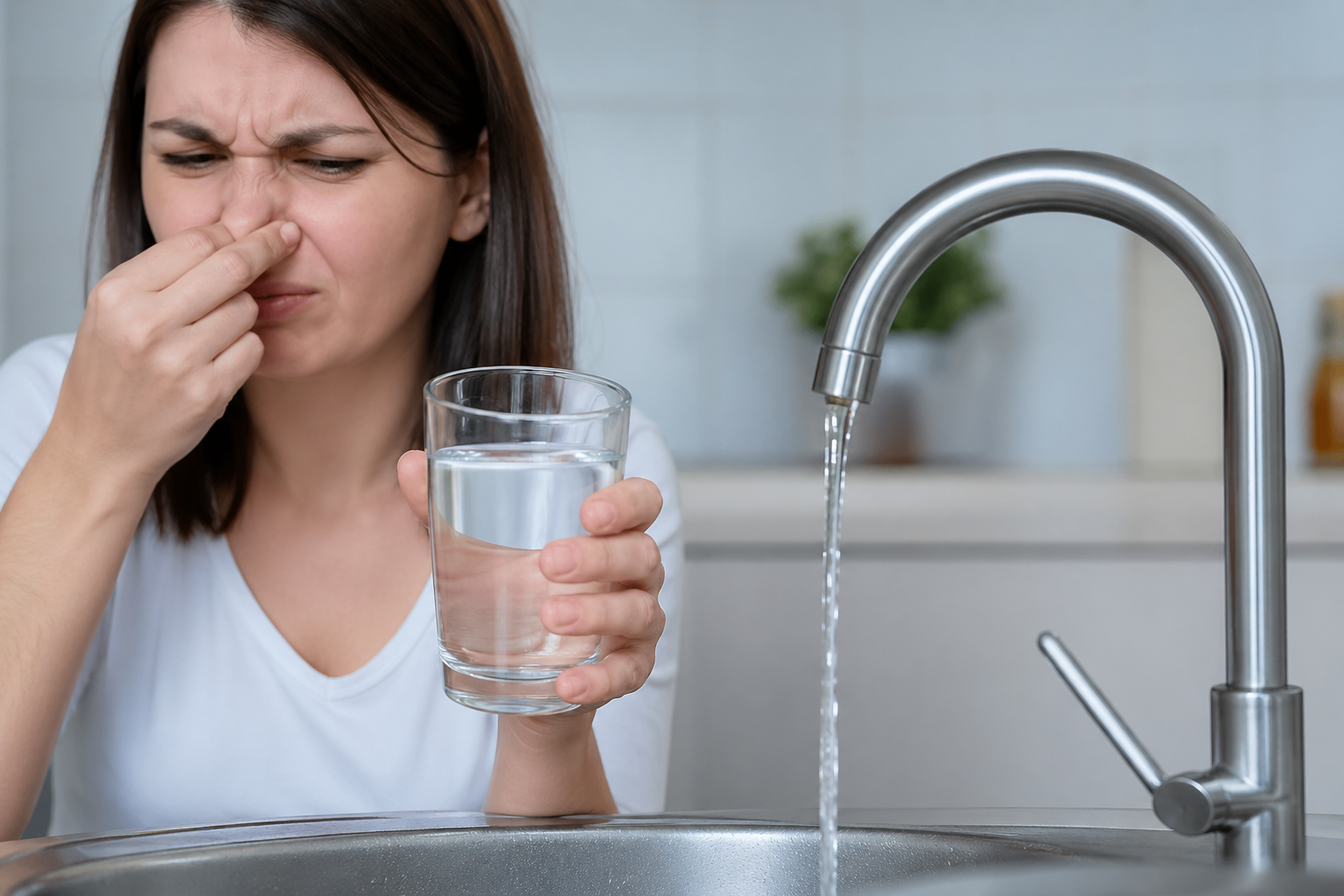
You turn on the tap—and there it is. If you’ve ever thought, “why my tap water smells like chlorine” you’re not imagining it. This is something many households notice. But luckily, it’s usually harmless. That slight pool-like scent comes from chlorine, which utilities add to kill germs and protect the supply as it moves through the system.
Below, we break down why the smell happens, what it means for your health, and when it’s nothing to worry about. You’ll also learn a few easy ways to make the odour less noticeable.

Municipal systems use chlorination for disinfection. After the water leaves the treatment plant, a small amount of the chemical stays in. This is the reason why tap water suddenly smells like chlorine.
Whereas, water utilities usually use free chlorine or chloramine. Both do a good job of killing bacteria, but they act differently. Free chlorine reacts quickly and may produce a sharper smell. Chloramine is more stable and lasts longer in the pipes. It may create a milder odour but different by-products.
👁️🗨️The type of disinfectant can change depending on where you live and the time of year. Free chlorine works quickly in the heat of summer. Chloramine stays in the system longer when temperatures drop, keeping your water safe.
The odour shows that the water has been disinfected. Therefore, it is safe to drink.
Health Canada guidelines allow up to 5 milligrams of chlorine per litre. Most systems stay below this limit, which is usually between 0.2 and 2.0 mg/L. The levels are regularly checked at treatment plants and throughout the distribution network.
👁️🗨️High levels of chlorine, above the ones municipal systems allow, can irritate the digestive tract. However, such levels are rare due to constant monitoring.
Even though tap water is safe to drink, the odour can sometimes intensify. It happens due to the following factors:
Reason | How it works |
Freshly treated water or recently flushed pipes | Disinfectant levels can be higher than usual, making the smell more noticeable. |
High water demand | Utilities may boost the disinfectant to keep the system safe, which means more remains in the supply that reaches your home. |
Water sitting in pipes | When water isn’t replaced with a fresh supply, the chemical lingers longer in the plumbing. |
Older pipes, storage tanks, or mineral deposits | These can react with the treatment chemicals, releasing compounds that make the odour easier to notice. |
Low water usage | Water stays in the plumbing longer, giving taste and smell more time to develop. |
Warm temperatures | Higher temperatures speed up chemical reactions, causing the disinfectant to evaporate faster and the scent to become more noticeable. |
Heavy rain or melting snow | Organic material can enter the water supply and react with the treatment chemicals, producing by-products that are easier to detect by smell. |
In most cases, a stronger chlorine smell is normal and harmless, and your tap water is safe to use.


There are several effective ways to improve drinking water quality in your home. Let’s break down each of them:
Chlorine and organic compounds are trapped as water passes through carbon material, improving taste and odour. These systems come in various forms, including pitchers, faucet-mounted units, and under-sink setups.
Pros
Cons
Chlorine naturally dissipates when water is left in an open container, reducing its smell over time. This works best for drinking or cooking water when left for several hours or overnight.
Pros
Cons
Water is forced through a semi-permeable membrane, which removes chlorine along with other impurities. Systems are available for point-of-use taps or whole-house installation, providing clean water and improving taste and odour.
Pros
Cons
All water entering your home passes through carbon or other specialized media, reducing chlorine and other chemicals. This system also improves taste, odour, and overall quality throughout the house.
Pros
Cons
✔️ Yes: Consider activated carbon filters or letting water sit.
✖️No: Continue to step 2.
✔️ Yes: A reverse osmosis (RO) system may be the best choice.
✖️No: Continue to step 3.
✔️ Yes: A whole-house filtration system is ideal.
✖️No: Stick with point-of-use options like carbon filters.
🔲 Low cost, simple – letting water sit
🔲 Affordable, easy to maintain – activated carbon filters
🔲 Higher cost, professional installation required – RO or whole-house systems
Consider your budget, the volume of water you use, and whether you want treatment at a single tap or for the entire house.

If the odour remains strong despite using filters or other methods, follow the steps below:
Step | What to do | Details |
Check recent changes in your water supply | Contact your local water utility | Ask about maintenance, flushing, or treatment adjustments that could affect chlorine levels. |
Report the odour | Use your municipality’s customer service line or online system | Provide details such as the time, location, and how long you’ve noticed the odour. |
Confirm water safety standards | Ask your supplier | Verify whether chlorine levels are within safe guidelines and whether the smell is normal or temporary. |
Ask for recommendations | Get guidance from your water authority | Follow suggestions to reduce odour at home, such as flushing taps or adjusting treatment methods. |
These steps ensure you stay informed on what to do if tap water smells like chlorine and help address persistent issues effectively.
Some water systems use chloramine. The chemical stays in pipes longer, helping keep the supply safe across large or complex distribution networks.
Its taste and smell are different from regular chlorine. The odour is usually milder, but some people may notice it. Standard activated carbon filters can reduce it, though you may need stronger point-of-use or whole-house systems for more effective removal.
Some municipalities are switching to this method to improve water stability and reduce certain by-products. For homeowners, the water remains safe to drink. At the same time, the taste or smell may be slightly different. Treatment solutions may need adjustment if your local supply uses chloramine instead of free chlorine.
Chlorine in tap water protects public health but can sometimes create an unpleasant odour. Knowing why the smell occurs and how to reduce or remove it can help you enjoy better-tasting water and more comfort at home.


Article content
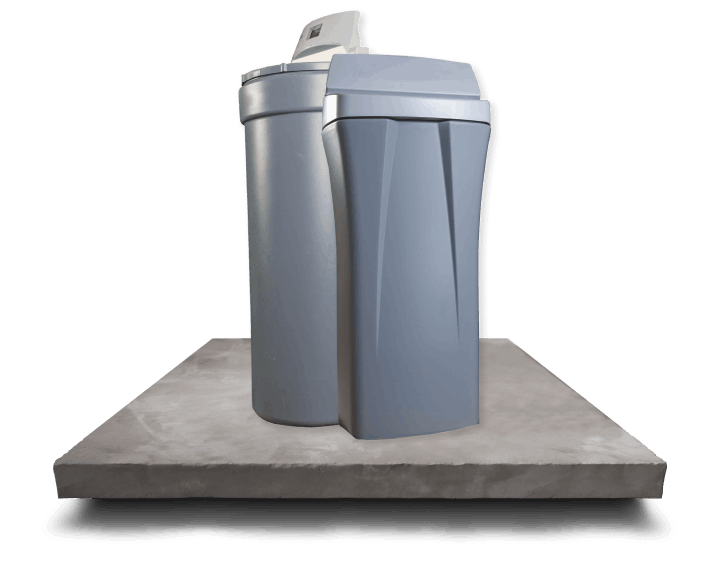
Say goodbye to hard water and enjoy softer skin, cleaner laundry, and longer-lasting appliances.
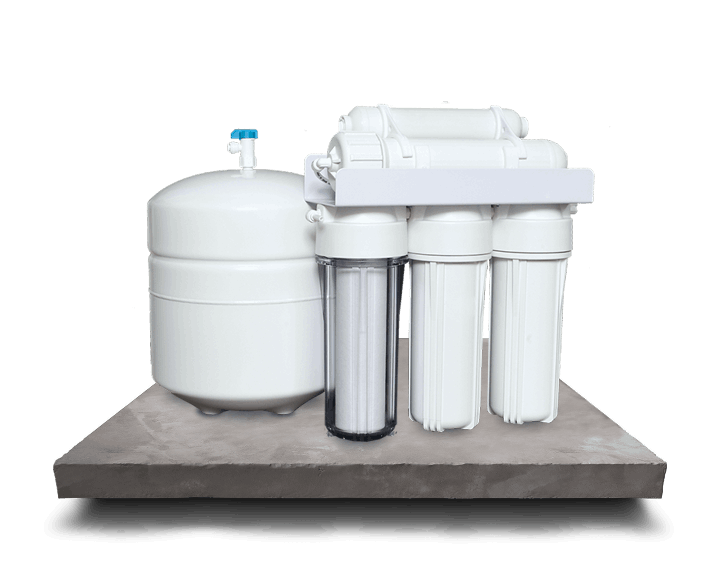
Get pure, great-tasting water by removing heavy metals and other harmful contaminants.
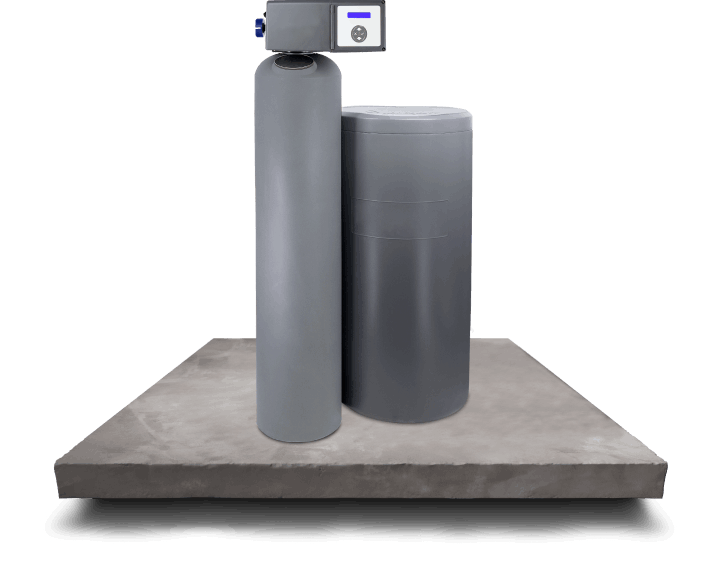
No more sediment, chlorine, and odours — just cleaner, fresher water in every tap in your home.
Our certified specialists will recommend the perfect solution for your home – sized for your family, your water, and your budget.

