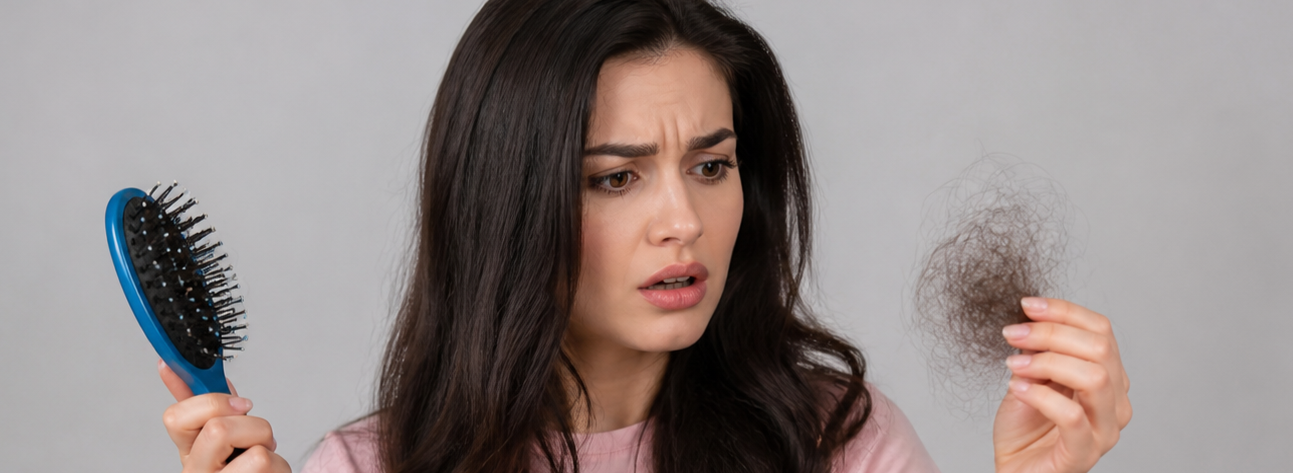
Why Is My Hair Falling Out / Skin So Itchy?
Noticing hair in the shower drain or feeling itchy after bathing? While stress, diet, or your skincare routine can play a role, your water might be part of the problem. Hard minerals, chlorine, or super-hot showers can strip your natural oils, leaving your hair weak and your skin irritated.
In this article, we will explain how water might play a role, how to tell if it’s a trigger, and practical steps to protect your hair and skin. If you experience sudden hair loss, bald patches, severe rash, or bleeding skin, it’s important to consult a clinician.
Does hard water cause hair loss? Water by itself usually doesn’t cause hair loss, but it can make things worse if you already have problems. Hard water minerals build up on your scalp and hair, leaving it heavy, weak, and more likely to break.
Very hot showers can dry out the scalp and strip away natural oils, leading to irritation and breakage that may look like shedding. That’s why many people wonder, “Does hot water cause hair loss?” Itchiness after showering is most often linked to dryness or sensitivity, not “toxic” water.
Sure, water quality can be a trigger, but it’s usually just one part of a bigger picture that includes health, products, and lifestyle.
When you see more hair than usual on your pillow, in your brush, or after a shower, it’s important to know whether it’s true shedding or breakage.
Shedding means the whole strand comes out from the root, often with a tiny bulb at the end. Breakage occurs when hair snaps along the shaft. You’ll usually see shorter pieces, rough or frayed ends, and hair that feels dry or brittle.
Hard water can leave a mineral film on your hair, making it feel coated, heavy, and more likely to snap. This doesn’t cause true shedding, but breakage can look like hair loss. That’s why people often search “hard water hair loss” when they see changes.
Hard water has extra minerals like calcium and magnesium. They’re safe to drink, but they can cause everyday problems. You might see soap scum on sinks and showers, shampoo that doesn’t rinse out, or laundry that feels stiff. On your body, mineral buildup can leave hair dull, heavy, and easy to break. Skin may feel dry or itchy because natural oils wash away faster.
Some people worry and search ”hard water hair loss”, but the truth is that hard water doesn’t usually damage the roots or “kill” follicles. Instead, it can make hair weaker and more break‑prone, which may look like shedding.
That’s why questions like “Can hard water cause hair loss?” are so common. Actually, water quality is just one factor, and understanding its effects helps you decide if it’s part of the problem and what simple steps might help.
Does hot water cause hair loss? Not usually at the roots, but it can make hair weaker and more likely to break. Very hot showers strip away the natural oils that protect both your scalp and skin. Without those oils, dryness and itchiness show up quickly — flakes on the scalp, tight or itchy skin on the body, especially in winter when the air is already dry.
Breakage from dryness can look like hair loss, so many people worry about losing hair after a hot shower. The good news is that a simple change can help: keep the water warm and limit your shower time. A shorter, gentler shower allows your hair and skin to retain moisture, making them softer, calmer, and healthier.
So, does Canada water cause hair loss? Well, it depends since water isn’t the same everywhere in Canada. It can vary from city to city, and even from one home to the next. Some areas have hard water, some use chlorine or chloramine to treat it, and older plumbing can add its own issues. On top of that, climate matters: dry winters can leave your skin and scalp extra sensitive.
Don’t blame Canadian water right away, but check your local water hardness and see how your hair and skin react.


Scenario 1: itchy scalp + dandruff-like flakes
Not all flakes mean dandruff. Dryness, leftover product, sensitivity, or even hard water can cause them. Dry scalp flakes are usually small and light, while product buildup feels heavier or stickier.
If flakes stick around and look greasy, it could be seborrheic dermatitis — that’s when a pharmacist or doctor can help. A simple first step? Rinse your hair thoroughly.
Scenario 2: hair feels waxy/dull + more breakage
If your hair feels coated, heavy, or looks dull, it’s often due to mineral residue from hard water or conditioner that hasn’t rinsed out fully.
A gentle wash can help, but avoid harsh stripping. Your goal is to remove buildup without further drying the hair. Don’t forget to use a light conditioner to keep your hair smooth and less prone to breaking.
Scenario 3: body itch after shower
If your skin feels tight or itchy after a shower, the mix of hot water, hard water, and strong soaps may be to blame. Hot water strips natural oils, while minerals and harsh cleansers can make skin more sensitive. People with eczema‑prone skin often notice this even more.
A simple solution is to use warm water, choose mild cleansers, and apply a fragrance‑free moisturizer right after showering. This locks in moisture and helps calm the skin.
1. Lower the water temperature and shorten showers
Hot water feels great, but strips natural oils. Warm showers and less time under the spray help keep both hair and skin comfortable.
2. Switch to gentle, fragrance‑free cleansers and moisturize right after shower
Harsh soaps can dry out your skin even more. A gentle cleanser and fragrance-free moisturizer applied within minutes of showering helps lock in moisture.
3. Adjust your hair routine
Rinse thoroughly to prevent product buildup. Avoid using heavy conditioners, masks, and styling products all at once.
4. Try an occasional clarifying wash
Use a gentle clarifying shampoo once in a while. Don’t do it daily, as over‑stripping can make hair brittle.
5. Install a shower filter
A filter can reduce chlorine smell or taste, which some people find irritating. Note: it won’t truly “soften” hard water minerals.
6. Consider a water softener if the hardness is high
If your water is very hard, a softener or whole‑home conditioning system may help. This is a bigger change, but it can reduce mineral deposits and make water feel gentler on hair and skin.
Does soft water cause hair loss? Not directly. What often happens is that soft water feels “slippery” compared to hard water, and shampoo doesn’t lather as well. Because of this, people sometimes use more product than they need or don’t rinse as thoroughly. That can make hair or scalp feel coated, which may cause irritation or make breakage look like shedding.
Can a water softener cause hair loss? Again, not usually. A softener changes how water feels, but it doesn’t damage hair roots. If itchiness or buildup started right after installing the softener, try using less shampoo or conditioner, rinse a bit longer, and check that the softener is maintained and set correctly.
Soft water itself isn’t harmful — it just takes a little getting used to.
When people ask how to regrow hair loss due to hard water, the answer depends on what’s really happening. If it’s mostly breakage, better shower habits and thorough rinsing can help your hair look fuller as it grows.
If you’re dealing with true shedding from the root, water alone isn’t usually the main cause. Stress, illness, hormones, or scalp inflammation are more common triggers. In that case, it’s best to look at the bigger picture and consider medical advice.
If you’re worried about how water might affect your hair or skin, a quick test can give the answers. The first thing to check is hardness — simple test strips are cheap and easy to use at home. Your local utility usually provides notes on chlorine or chloramine levels, which can also matter.
If you use well water, it’s smart to do broader testing since minerals, bacteria, or other factors can vary more. Starting with hardness strips is an easy first step, and from there, you can decide if more detailed testing is needed. Knowing what’s in your water helps you understand whether it’s part of the problem and what changes might help.

Get professional help if you notice sudden heavy shedding, bald spots, scalp pain, or a rash that oozes. A constant itch that keeps you up at night is another warning sign.
If these symptoms last more than six to eight weeks, even after you change your routine, don’t wait — see a doctor or dermatologist.
Water can make dryness, itch, and breakage worse, but it’s rarely the only cause. The best approach is step by step: take shorter, cooler showers, use lighter products, and cut down on buildup.
If tests show your water is really hard, a filter or softener can help. With these changes, hair and skin usually feel better over time.


Article content
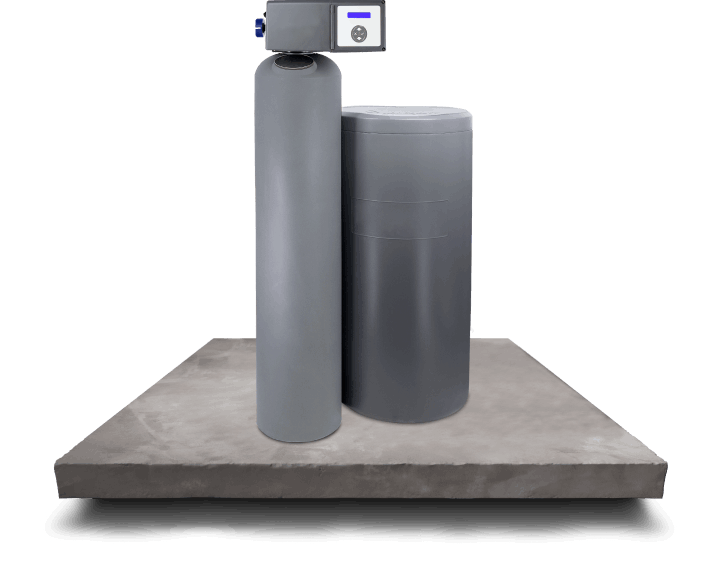
No more sediment, chlorine, and odours — just cleaner, fresher water in every tap in your home.
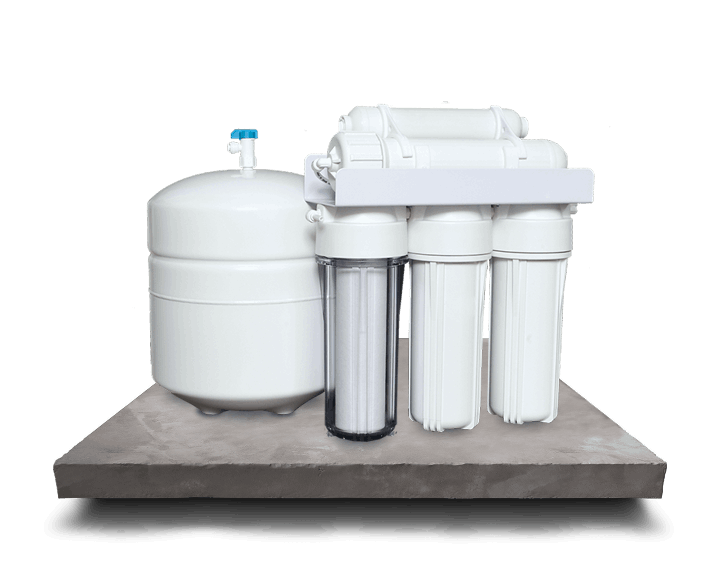
Get pure, great-tasting water by removing heavy metals and other harmful contaminants.
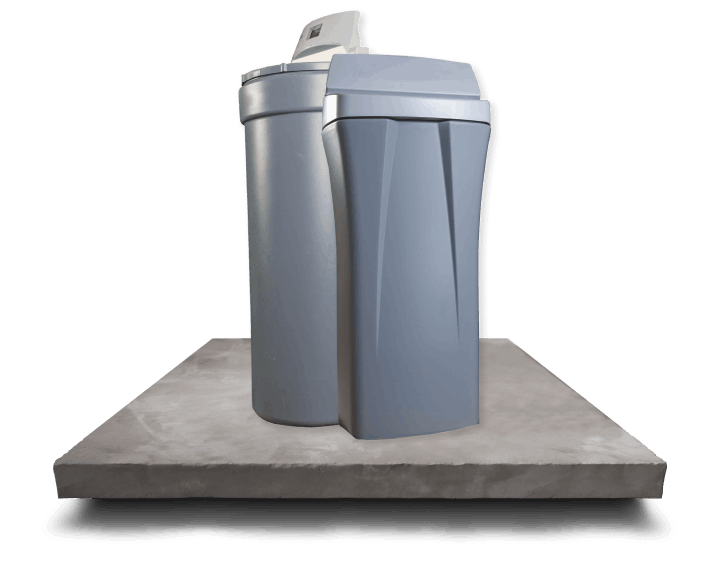
Say goodbye to hard water and enjoy softer skin, cleaner laundry, and longer-lasting appliances.
Our certified specialists will recommend the perfect solution for your home – sized for your family, your water, and your budget.

