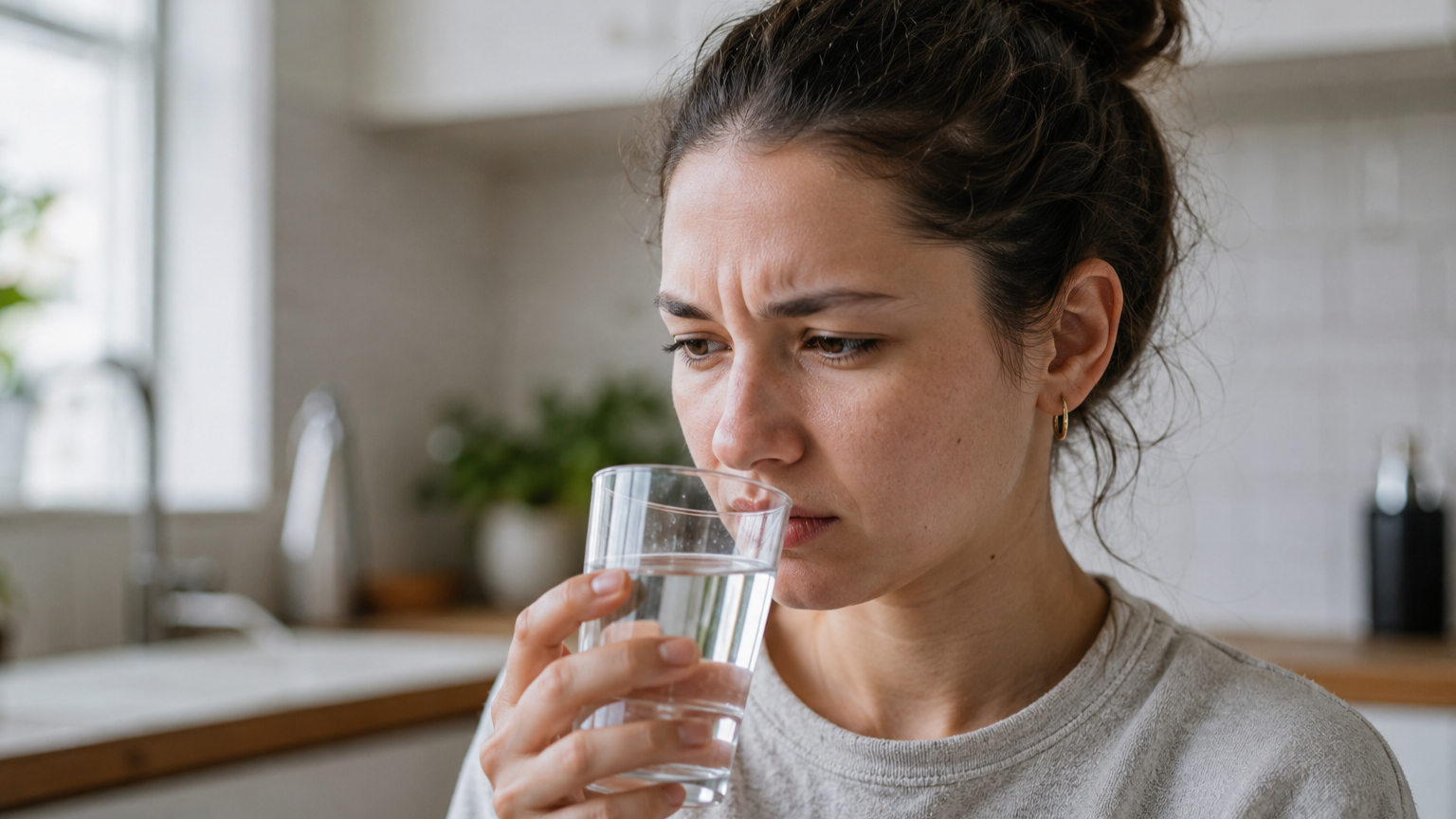
Why Your Water Tastes Metallic: Causes and How to Fix It

Do you ever drink tap water and taste a weird metallic flavour? It’s a common issue in many homes and apartments. This taste usually comes from dissolved metals like iron, copper, or zinc, which can enter your water through old pipes or natural mineral buildup. The taste can be unpleasant and can make you worry about water quality sometimes, though it may not always be dangerous. So, if you are asking, “What does it mean when water tastes metallic?”, this article will give you clear answers. We will investigate the main causes of that taste and share simple, practical ways to fix it so that you can enjoy clean, fresh water again.
If your tap water tastes metallic, here are the most common reasons:

If your drinking water tastes metallic, that doesn’t necessarily mean it is unsafe. This unusual flavour often comes from small amounts of metals, including iron, copper, and zinc — elements that are generally harmless at low levels. The real concern usually lies in how much of these metals are present and how long you have been consuming them.
Iron, for example, is safe in small quantities, but if there’s too much, it can cause staining and even some stomach discomfort. Copper is another metal that’s fine in small amounts, but high levels might cause nausea and, over time, could affect your liver or kidneys. Zinc also plays an essential role in our health when consumed in low doses, but excessive amounts can lead to a bitter taste and an upset stomach.
To protect you, health organizations like the EPA and WHO have set clear guidelines on the acceptable levels of these metals in drinking water. If you find that your water has a strong metallic taste, it’s best to have it tested. This way, you can determine if the metal levels are safe or if you might need to take steps to improve your water quality.
If your water has a metallic taste, the first step is to find out what’s causing it. The most reliable way is water testing. A simple test can show if metals like iron, copper, or manganese are present and in what amounts. This helps you understand if the problem comes from your water source or your plumbing.
You can also look at symptoms in water quality. For example, well water often contains higher levels of iron or manganese, while municipal water usually meets safety standards but can still pick up metals from old pipes. If your home has copper or galvanized plumbing, corrosion may cause that taste.
There are also other signs you can spot without testing: rust-colored stains on sinks, faucets, or laundry often point to iron, and blue-green marks may suggest copper. These clues, combined with testing, make it easier to identify the source of the problem.
By paying attention to these details, you’ll know whether the metallic taste is coming from your water supply or your pipes, and choose the right solution.


There are several practical ways to get rid of the metallic taste in your water.
Copper pipes. Corrosion can release copper into water, leaving a metallic taste and blue-green stains. Replacing damaged sections or using corrosion inhibitors can solve the issue.
Galvanized pipes. These zinc-coated pipes often corrode in older homes, adding a metallic flavour. In many cases, full replacement is the best option, since corrosion worsens with age.
Addressing pipe problems not only improves taste but also protects your plumbing system from leaks and further damage.
How pH affects metal solubility. Acidic water dissolves metals faster, which is why hot water tastes metallic more often — it reacts more quickly with pipes.
Methods to balance pH. Neutralizing filters or pH regulators add minerals such as calcium to increase acidity and prevent corrosion. Balanced pH improves taste, protects plumbing, and ensures safer water for everyday use.
Flushing and simple maintenance will keep your plumbing in good shape, so you can enjoy clear, fresh water.

Check your water regularly. To avoid that metallic taste, be proactive. If you have a private well, it’s a good idea to test your water at least once a year. Keeping an eye on it helps you catch any rises in iron, copper, or other metals before they turn into bigger problems.
Upgrade your pipes. Old copper or galvanized pipes can start to rust and leak metals into your water. Swapping them out for modern options like PEX or CPVC can save you trouble down the road and keep your water safe.
Don’t forget about your filters. Even the best systems need some maintenance. Changing your filters on schedule ensures you’ll always have clean, fresh water without that metallic taste.
A metallic taste in water is often caused by iron, copper, or zinc, but it’s not something you have to put up with. Filtration systems, pipe replacement, and pH adjustment can help, and regular testing and simple maintenance will ensure your water stays clean, safe, and pleasant to drink.


Article content

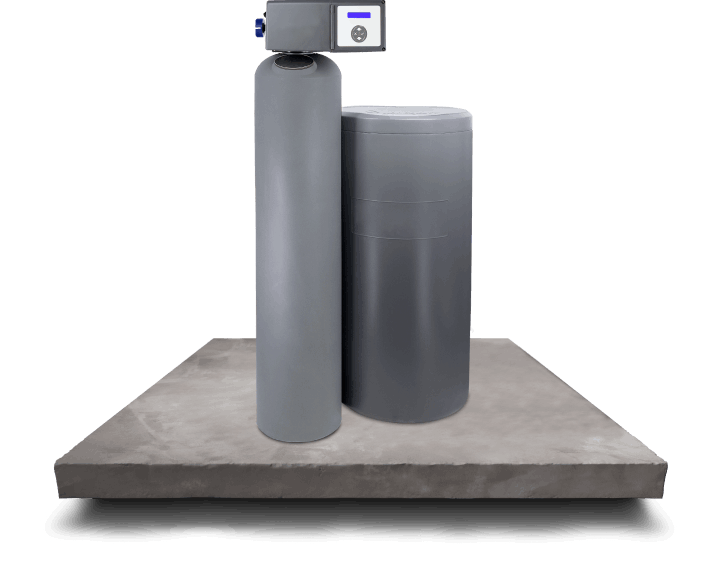
No more sediment, chlorine, and odours — just cleaner, fresher water in every tap in your home.
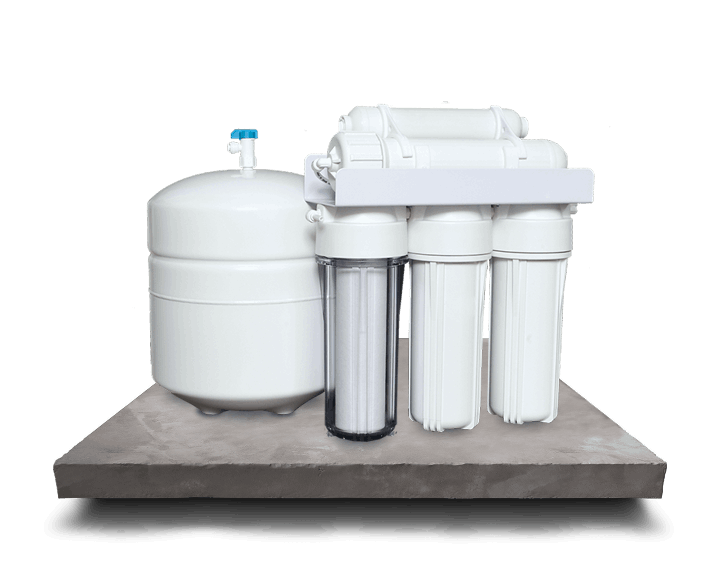
Get pure, great-tasting water by removing heavy metals and other harmful contaminants.
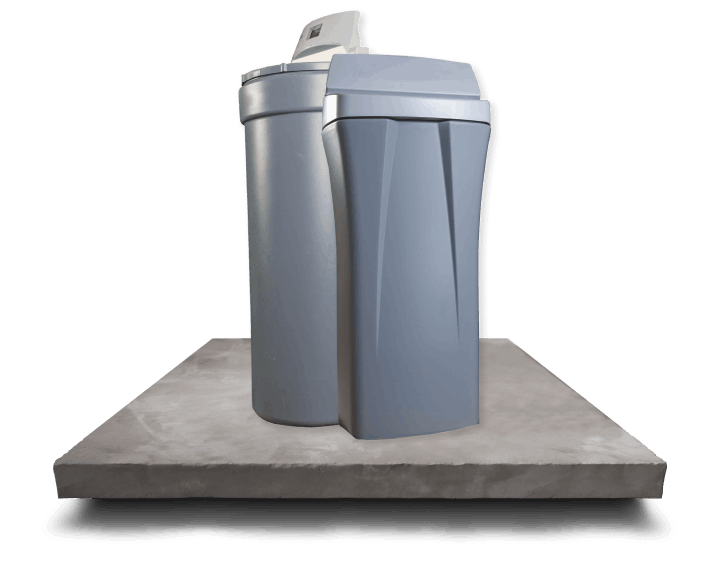
Say goodbye to hard water and enjoy softer skin, cleaner laundry, and longer-lasting appliances.
Our certified specialists will recommend the perfect solution for your home – sized for your family, your water, and your budget.

